

Choosing between the Kindle Colorsoft and the Kindle Paperwhite can feel overwhelming for readers who want the best digital reading experience. Both devices promise portability, long battery life, and access to Amazon’s vast ebook ecosystem, but they cater to slightly different needs. While one focuses on delivering immersive color content, the other refines the traditional black-and-white e‑ink reading experience. Understanding their differences in display technology, performance, battery life, and price helps readers make a confident decision.
TL;DR: The Kindle Colorsoft introduces color e‑ink technology, making it ideal for comics, textbooks, and illustrated content, while the Kindle Paperwhite remains a top choice for traditional black-and-white reading with exceptional clarity and battery life. The Colorsoft offers broader visual flexibility, but often at a higher cost and slightly reduced battery efficiency. Readers who prioritize novels and long-form reading may prefer the Paperwhite, while visual learners and comic fans will appreciate the Colorsoft. The best choice depends on how and what someone reads most often.
Display Technology: Color vs Classic E‑Ink
Table of Contents
The most obvious distinction between the two devices lies in their display. The Kindle Paperwhite uses high-resolution monochrome e‑ink technology. This display closely mimics printed paper and reduces eye strain, especially during long reading sessions. With sharp contrast and adjustable warm light settings, it excels in delivering crisp black text on a soft white background.
In contrast, the Kindle Colorsoft incorporates advanced color e‑ink technology. This allows users to view book covers, comics, charts, cookbooks, magazines, and educational material in color. While the color display enhances visual materials, it typically has slightly lower contrast compared to black-and-white screens. However, modern color e‑ink panels have significantly improved brightness and saturation.
Image not found in postmetaReaders who primarily consume novels may not benefit much from color functionality. However, for graphic novels, children’s books, or professional documents with charts and graphs, the Colorsoft offers clear advantages.
Reading Experience and Comfort
Comfort remains central to any e‑reader experience. The Paperwhite is widely praised for its glare-free display and balanced front lighting. Its adjustable warm light feature allows readers to shift from cool white tones during the day to a warmer amber shade in the evening, reducing blue light exposure.
The Colorsoft also includes adjustable lighting, but color e‑ink layers can slightly reduce raw brightness compared to monochrome screens. For most indoor uses, this difference is minimal. Outdoors, both devices perform well due to their non-reflective e‑ink technology.
In terms of ergonomics, both models are lightweight and waterproof. This makes them suitable for travel, commuting, or reading by the pool. The feel in hand may vary slightly based on screen layering, but overall dimensions are similar. Most users adjust quickly to either device.
Performance and Responsiveness
Modern Kindle devices are faster than earlier generations, and both the Paperwhite and Colorsoft offer smooth page turns and responsive touchscreens. However, rendering color images can require marginally more processing power. As a result, image-heavy documents or comics may load slightly slower on the Colorsoft compared to plain text appearing on the Paperwhite.
That said, the difference in speed is usually subtle. For everyday reading, both devices offer a seamless experience. Navigating menus, adjusting font sizes, highlighting passages, and accessing the Kindle Store feels fluid on each model.
Battery Life Comparison
Battery life is a hallmark feature of Kindle devices. The Kindle Paperwhite often lasts several weeks on a single charge, assuming moderate daily reading and wireless disabled. Its monochrome screen consumes minimal power because e‑ink only uses energy when refreshing pages.
The Colorsoft also benefits from e‑ink efficiency, but the added color layer and processing requirements can modestly impact longevity. Depending on usage—especially if reading image-heavy content—the battery may require charging slightly more frequently than the Paperwhite.
For travelers or readers who prefer charging once a month or less, the Paperwhite retains a small advantage. However, both outperform tablets by a significant margin in terms of energy efficiency.
Content Versatility
This is where the Colorsoft stands apart. While both devices support:
- Kindle ebooks
- Audiobooks (via Bluetooth headphones)
- PDF files
- Bookmarks and highlights
- Vocabulary tools
The Colorsoft enhances illustrated material. Cookbooks display vibrant food images. Travel guides show colorful maps. Textbooks present charts in differentiated hues, making information easier to interpret.
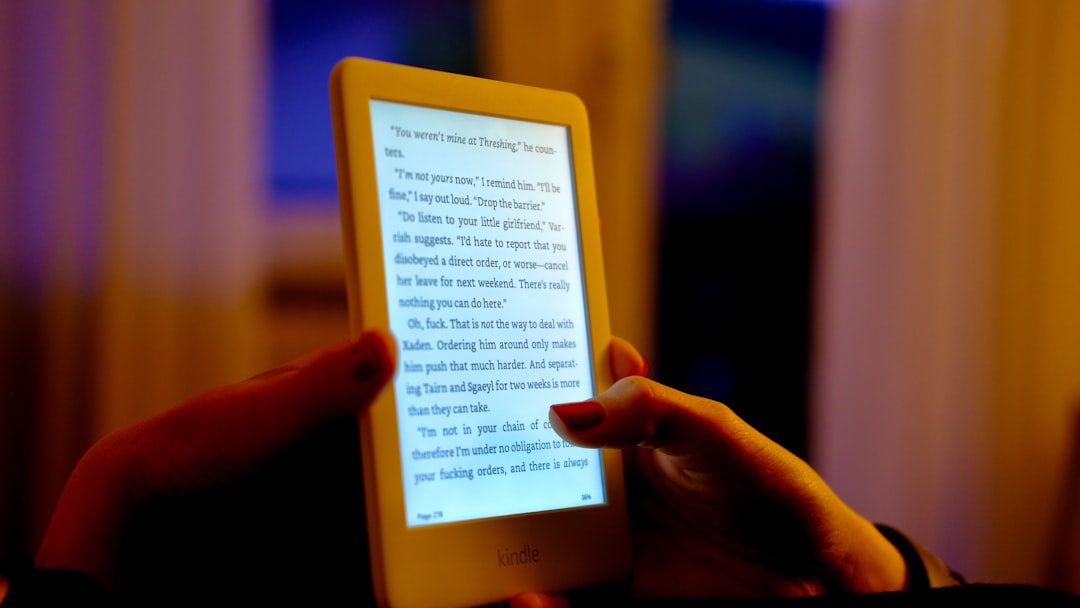
Meanwhile, the Paperwhite excels at immersive fiction reading. For novel readers who rarely encounter visuals beyond a book cover, color may not justify the higher price.
Storage and File Handling
Both devices typically offer generous storage options, often starting at 8GB or 16GB, with higher-tier models providing even more capacity. Text-based ebooks consume minimal space, but illustrated comics and graphic novels can be substantially larger files.
Readers who plan to store extensive comic libraries may prefer higher storage configurations, especially for the Colorsoft. Audiobooks also require more space than standard ebooks, making storage considerations important for Audible users.
Durability and Build Quality
Amazon’s Kindle lineup is known for durable construction. Both the Paperwhite and Colorsoft are commonly IPX8 waterproof rated, meaning they can survive accidental immersion in water. This makes them convenient for beach trips or bath-time reading.
The front glass surfaces are designed to resist scratches, though using a case is still advisable. Over time, both devices maintain stable screen clarity due to e‑ink’s resistance to pixel degradation and burn-in issues common in LCD or OLED screens.
Price and Value Considerations
Price often becomes the deciding factor. The Kindle Paperwhite typically sits at a mid-range price point, making it accessible to most readers. Its value proposition is strong: high-resolution text, waterproofing, warm lighting, and extensive battery life.
The Kindle Colorsoft, by comparison, commands a higher price because of its newer display technology. For readers who rely heavily on colored materials, the extra investment may be worthwhile. However, those who read mostly novels may find better cost efficiency in the Paperwhite.
Who Should Choose the Kindle Paperwhite?
The Paperwhite is ideal for:
- Fiction lovers who primarily read text-based novels
- Readers seeking maximum battery life
- Users who prioritize sharp contrast and clarity
- Budget-conscious buyers
Its refined monochrome display remains one of the best for distraction-free reading.
Who Should Choose the Kindle Colorsoft?
The Colorsoft is better suited for:
- Comic and graphic novel fans
- Students reviewing textbooks and charts
- Professionals reading detailed reports with graphs
- Parents purchasing illustrated ebooks for children
The addition of color expands the types of content that feel natural and engaging on an e‑ink device.
Long-Term Software Support
Both devices benefit from Amazon’s regular software updates, including new font options, performance optimizations, and feature additions. Kindle’s cloud syncing ensures readers can access their books across multiple devices. This creates a reliable and consistent ecosystem regardless of the chosen hardware.
Whispersync technology allows seamless transitions between devices, including smartphones and tablets. Annotations and highlights remain synchronized, adding to user convenience.
Final Thoughts
When comparing the Kindle Colorsoft and the Kindle Paperwhite, the decision ultimately revolves around reading habits. The Paperwhite represents the evolution of traditional e‑ink, offering excellent clarity, endurance, and affordability. The Colorsoft brings innovation, delivering color capability that broadens the device’s utility beyond novels.
Neither option is universally better; each serves a distinct type of reader. By evaluating content preferences, budget, and expectations for display performance, buyers can confidently select the Kindle that aligns with their reading lifestyle.
Frequently Asked Questions (FAQ)
- Is the Kindle Colorsoft harder on the eyes than the Paperwhite?
No. Both use e‑ink technology designed to reduce eye strain. The Colorsoft may have slightly different contrast levels, but it remains far gentler on the eyes than LCD or tablet screens. - Does the Kindle Paperwhite support comics?
Yes, but only in black and white. Comics and graphic novels will not display in color, which may reduce visual impact. - Is battery life significantly worse on the Colorsoft?
Not significantly, but it may be slightly shorter depending on usage. Image-heavy reading can consume more power than plain text. - Are both devices waterproof?
Most current models of both devices offer waterproof protection, typically rated IPX8. - Can users listen to audiobooks on both models?
Yes. Both devices support Audible audiobooks via Bluetooth headphones or speakers. - Is the price difference worth it?
It depends on reading habits. Users who frequently engage with illustrated or color-rich material may find the Colorsoft worthwhile. Novel-focused readers may prefer the Paperwhite’s lower cost and superior text contrast.
