

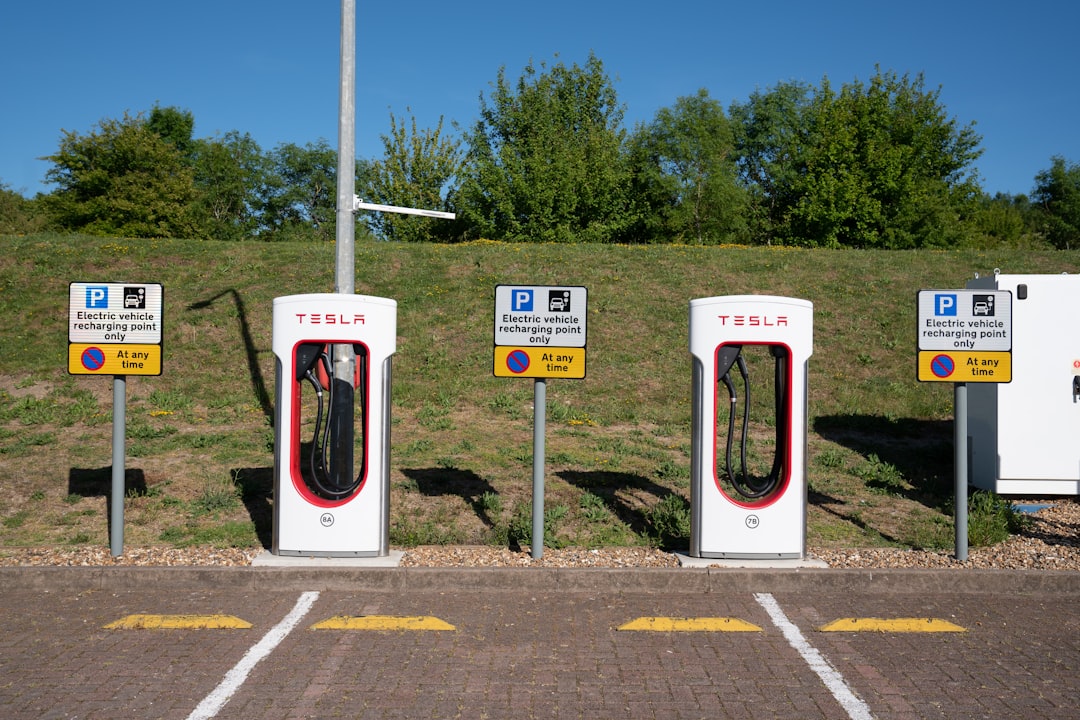
As electric vehicles (EVs) continue to gain popularity worldwide, the need for reliable and accessible charging infrastructure has never been more important. Drivers no longer worry only about range; they also think about where and how they will recharge. This is where EV charging locator apps, such as PlugShare and similar platforms, play a crucial role. These apps help drivers find nearby charging stations, navigate unfamiliar areas, and plan long-distance trips with confidence.
TLDR: EV charging locator apps like PlugShare help drivers quickly find available charging stations, compare networks, and plan efficient routes. They provide real-time data, user reviews, pricing details, and compatibility information. These apps reduce range anxiety and make EV ownership more practical and convenient. As infrastructure grows, their role in everyday driving and long-distance travel will only become more critical.
Charging locator apps act as digital companions for EV users. Instead of guessing where the next charging station might be located, drivers can open an app and instantly see nearby options displayed on an interactive map. These tools combine GPS technology, charging network databases, and community-driven feedback to deliver accurate and up-to-date information.
How EV Charging Locator Apps Work
Table of Contents
Most EV charging locator apps are built around a straightforward concept: gather charging station data and present it in a user-friendly format. However, the technology and integrations behind the scenes are sophisticated. They pull information from multiple charging networks, public infrastructure databases, and user contributions.
- GPS integration: Pinpoints the driver’s current location and displays nearby charging stations.
- Filter tools: Allows users to sort by charger type, speed, availability, and network provider.
- Real-time availability: Indicates whether chargers are currently in use or available.
- Navigation support: Integrates with mapping systems to provide turn-by-turn directions.
- User reviews: Offers feedback about reliability, wait times, and amenities.
This combination of technical data and community engagement makes these apps highly reliable and increasingly popular among EV drivers.
Key Features That Make Apps Like PlugShare Stand Out
While many apps provide charging station listings, the most successful platforms go further. They prioritize user experience and actionable insights. PlugShare, for example, is well known for offering both map-based search capabilities and detailed station profiles.
1. Comprehensive Station Information
Each charging station listing typically includes:
- Charging level (Level 1, Level 2, DC fast charging)
- Connector types (CCS, CHAdeMO, Tesla, J1772)
- Pricing details
- Hours of operation
- On-site amenities such as restrooms or restaurants
2. Community Contributions
One of the defining features of apps like PlugShare is community reporting. Drivers can check in when they use a station, confirm whether it is operational, upload photos, and share tips. This crowdsourced data often provides more current insights than official sources.
3. Trip Planning Tools
For long-distance travel, route planning tools estimate charging stops based on vehicle type, battery size, and preferred networks. This minimizes detours and ensures drivers avoid areas with limited infrastructure.
4. Customization Options
Drivers can save favorite stations, set charger-type preferences, and receive notifications. This level of personalization improves convenience, especially for daily commuters.
Benefits of Using EV Charging Locator Apps
The primary benefit of these apps is reducing range anxiety — the fear that a vehicle will run out of charge before reaching a station. However, the advantages extend beyond peace of mind.
- Time savings: Quickly locate the closest available charger.
- Cost efficiency: Compare prices between networks and choose the most affordable option.
- Improved reliability: Avoid broken or crowded stations based on user reports.
- Better travel planning: Optimize routes for long journeys.
- Expanded accessibility: Discover lesser-known or newly installed stations.
In urban areas, where multiple networks overlap, these apps help drivers decide which station offers the fastest speed or lowest fee. In rural settings, they can be essential for identifying the only charging option within miles.
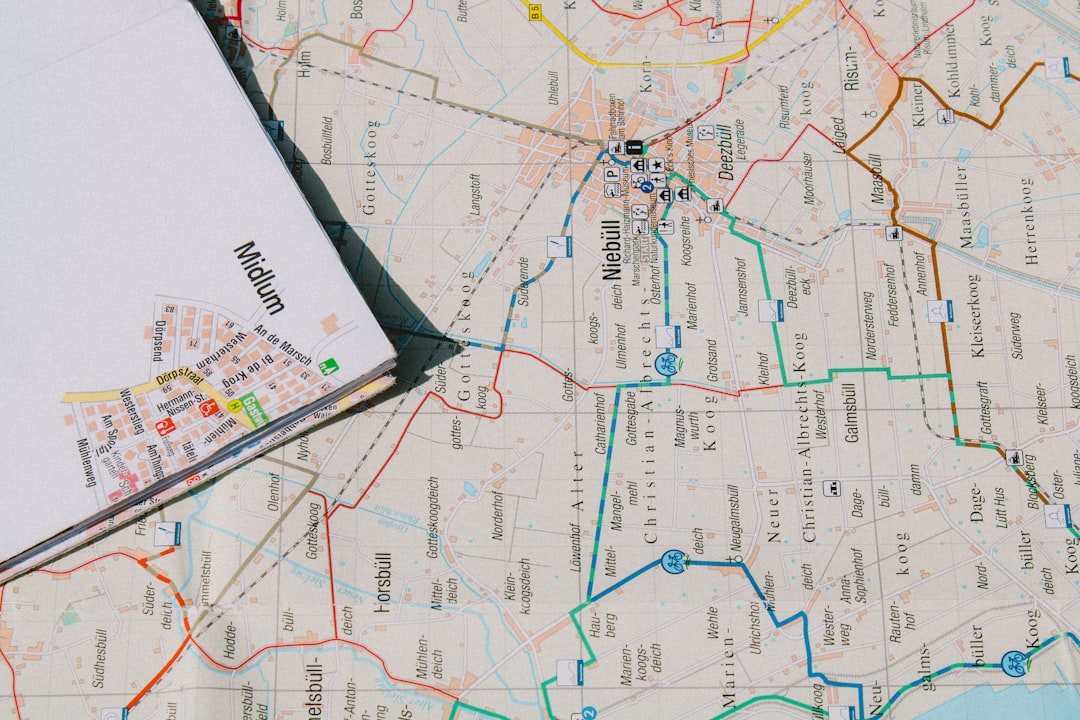
Comparing Popular EV Charging Locator Apps
PlugShare may be one of the most recognized names, but it is not alone. Several other apps provide similar services, including ChargeHub, Electrify America’s app, EVgo’s app, and Tesla’s in-car navigation system.
Each platform has its strengths:
- PlugShare: Strong community engagement and broad network coverage.
- ChargeHub: Unified payment integration across different networks.
- Electrify America: Detailed charger status and direct session management within its network.
- Tesla navigation: Seamless integration with vehicle battery data and Supercharger network.
Drivers often use multiple apps simultaneously. For instance, a driver might rely on their vehicle’s built-in navigation for official network data but consult PlugShare for real-world user comments before arriving.
The Role of Real-Time Data
Real-time data is the backbone of effective charging locator apps. Without accurate status updates, drivers risk arriving at stations that are out of order or fully occupied. Advanced apps integrate with charging networks to display live availability and charging speeds.
Some platforms also predict busy periods based on historical usage trends. These predictive tools help drivers choose off-peak times, reducing wait times and congestion.
As battery technology evolves and charging speeds increase, real-time data will remain critical in helping users maximize efficiency during stops.
Integration with Smart Vehicles
Many modern EVs now synchronize directly with charging apps or proprietary systems. This integration enhances the experience by:
- Automatically calculating required charging time
- Preconditioning the battery before arrival at a fast charger
- Displaying charging costs in the dashboard interface
- Updating range estimates based on terrain and driving style
Such integrations create a seamless ecosystem where the app, the charging network, and the vehicle communicate continuously.

Challenges and Limitations
Despite their benefits, EV charging locator apps are not without limitations. Not all networks provide consistent real-time data. In some areas, connectivity issues may prevent updates from syncing immediately.
Additionally, pricing structures can vary widely depending on the provider, subscription plans, and time-of-day rates. While apps often display pricing information, it may not always reflect temporary promotions or policy changes.
Another challenge is charger reliability. Even with user reports, unexpected equipment malfunctions can occur. As EV adoption rises, overcrowding at popular charging hubs may also become more common, putting pressure on infrastructure.
The Future of EV Charging Locator Technology
The future of charging locator apps lies in smarter automation and enhanced personalization. Artificial intelligence is likely to play a significant role in predicting driver behavior, optimizing charging stops, and recommending routes based on weather, traffic, and battery health.
Upcoming innovations may include:
- Dynamic pricing comparisons in real time
- Integrated payment systems across all networks
- Augmented reality navigation overlays
- Automatic charger reservations
As more governments and private companies invest in EV infrastructure, charging apps will become even more vital. They will not only guide drivers to power sources but also help balance grid demand and encourage efficient energy usage.
Conclusion
EV charging locator apps like PlugShare have transformed the driving experience for electric vehicle owners. By combining real-time data, community insights, and intuitive mapping tools, these platforms make charging straightforward and accessible. They reduce uncertainty, improve route planning, and support the ongoing transition to sustainable transportation.
As EV adoption accelerates, the importance of reliable charging information cannot be overstated. Whether navigating daily commutes or cross-country road trips, drivers increasingly rely on these digital tools to power their journeys with confidence.
Frequently Asked Questions (FAQ)
-
1. Are EV charging locator apps free to use?
Most charging locator apps offer free versions with basic features. Some may provide premium options or require payment for in-app charging sessions, depending on the network. -
2. Do these apps work with all electric vehicle models?
Generally, yes. Users can filter by connector type and charging speed to ensure compatibility with their specific EV model. -
3. How accurate is real-time charger availability?
Accuracy depends on network integration and data reporting. Major networks typically offer reliable updates, but occasional delays can occur. -
4. Can drivers pay for charging directly through these apps?
Many apps integrate payment systems for specific networks, allowing users to start and pay for charging sessions directly within the app. -
5. Are charging locator apps necessary if the car has built-in navigation?
While built-in systems are helpful, third-party apps often provide broader network coverage and valuable community reviews, making them a useful supplement. -
6. Do these apps help with long road trips?
Yes. Most major apps include trip planning features that calculate optimal charging stops based on range, battery capacity, and available infrastructure.
