

Artificial intelligence has transformed the way we interact with music. What once required trained ears and encyclopedic knowledge can now be done in seconds with a smartphone. From recognizing a song playing in a crowded café to identifying an obscure track in a DJ mix, AI-powered audio recognition tools have become fast, reliable, and widely accessible. But how accurate are these systems, how do they work, and what tools lead the field today?
TLDR: AI can identify songs from short audio clips with high accuracy, often within seconds, by analyzing unique digital fingerprints of sound. Leading tools such as Shazam, SoundHound, and Google’s song recognition use advanced signal processing and machine learning to compare audio snippets against massive databases. Accuracy depends on recording quality, background noise, and database coverage. While not perfect, modern AI music recognition systems are highly reliable in everyday conditions.
How AI Identifies Songs from Audio
Table of Contents
At the core of AI song recognition are two key technologies: audio fingerprinting and machine learning. These systems do not “listen” to music the way humans do. Instead, they analyze mathematical representations of sound.
1. Audio Capture and Preprocessing
When you activate a song identification app, it records a short audio sample, typically between 5 and 15 seconds. Before analysis begins, the system:
- Filters out background noise
- Normalizes volume levels
- Converts the signal into a digital waveform
- Breaks the waveform into frequency components
This step ensures that environmental factors such as chatter, traffic noise, or distorted speakers do not significantly degrade recognition performance.
2. Creating an Audio Fingerprint
The system then generates what is known as an audio fingerprint. Unlike a full recording, an audio fingerprint is a compact digital summary that captures key characteristics of a track.
Rather than storing entire songs, AI systems extract distinctive points in the frequency spectrum — often focusing on peaks that remain stable even under noisy conditions.
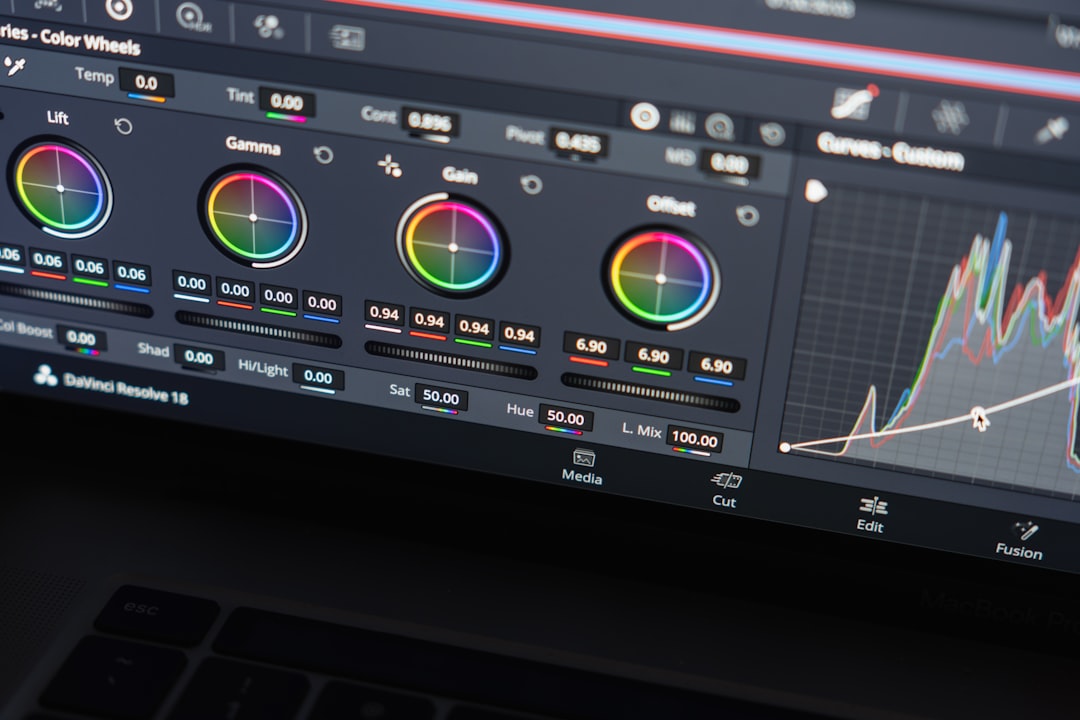
This fingerprint is unique enough that even a short clip can match a specific track out of millions.
3. Database Matching
Once the fingerprint is created, it is compared against a massive database of pre-indexed fingerprints. Companies maintain libraries containing millions of songs, each processed in advance. The matching process is extremely fast, typically returning results in under five seconds.
If a high-confidence match is found, the app provides:
- Song title
- Artist name
- Album information
- Streaming links
- Release date
4. Machine Learning Enhancements
While the early versions of song recognition relied mainly on signal processing algorithms, modern systems incorporate machine learning models to:
- Improve noise robustness
- Handle live performances and remixes
- Identify cover versions
- Differentiate between similar tracks
Deep learning models are particularly useful in recognizing songs performed at different speeds or pitches compared to studio recordings.
How Accurate Is AI Song Recognition?
Under ideal conditions, leading music recognition systems achieve accuracy rates above 90%. However, several factors influence performance.
Factors That Increase Accuracy
- Clear audio with minimal background noise
- Original studio recordings
- Well-known tracks in major databases
- Standing close to the sound source
Factors That Reduce Accuracy
- Loud environments (concerts, clubs)
- Heavy remixes or mashups
- Obscure or independent releases
- Very short audio clips (under 3 seconds)
Interestingly, apps often perform well even in noisy public settings because their algorithms are trained to prioritize distinctive acoustic peaks rather than full-spectrum audio.
Image not found in postmetaThat said, live versions with significant improvisation can pose challenges. Some systems struggle when tempo, instrumentation, or vocal delivery departs dramatically from the original recording.
Leading AI Tools for Song Identification
Several platforms dominate the music recognition space, each with different strengths. Below is a comparison of widely used AI song identification tools.
| Tool | Developer | Database Strength | Speed | Offline Mode | Unique Features |
|---|---|---|---|---|---|
| Shazam | Apple | Extensive mainstream catalog | Very Fast | Limited | Seamless Apple integration, instant recognition |
| SoundHound | SoundHound Inc. | Strong indie support | Fast | Yes | Can recognize humming and singing |
| Google Song Search | Large global database | Very Fast | No | Integrated into Google Assistant | |
| Musixmatch | Musixmatch | Lyrics focused database | Moderate | Limited | Displays synced lyrics immediately |
Shazam
Shazam is often regarded as the industry benchmark. Its fingerprinting technology is known for exceptional speed and reliability. Integration across devices and platforms has made it one of the most widely used apps globally.
SoundHound
SoundHound distinguishes itself by recognizing not only recorded music but also users humming or singing. This feature relies heavily on pitch and melody modeling powered by AI.
Google Song Recognition
Integrated into Google Search and smart devices, Google’s recognition system leverages vast cloud computing infrastructure. Its strength lies in rapid matching across a huge international database.
Can AI Identify Songs from Live Performances?
Live performance recognition is more complex. Variations in:
- Tempo
- Vocal pitch
- Instrument arrangement
- Crowd noise
can distort the acoustic signature of a song.
However, modern AI systems use advanced neural networks trained on diverse samples, including live recordings, remasters, and acoustic versions. While not perfect, they are increasingly capable of identifying songs even in dynamic concert environments.

Limitations of AI Song Identification
Despite impressive progress, these systems are not without limitations:
- Database dependency: If a song is not indexed, it cannot be identified.
- Privacy concerns: Short audio samples may be stored temporarily for processing.
- Similarity conflicts: Tracks with nearly identical instrumentals may confuse algorithms.
- Cultural gaps: Regional or niche music may have lower recognition rates.
Additionally, AI cannot identify a melody that has never been formally recorded or published within a recognized database.
The Role of Deep Learning in Music Recognition
Deep learning has significantly advanced audio recognition. Convolutional neural networks (CNNs), often used in image recognition, are now applied to audio spectrograms — visual representations of sound frequencies over time.
These models learn patterns directly from raw data rather than relying solely on handcrafted signal processing rules. This allows AI to:
- Generalize across different audio qualities
- Recognize remastered tracks
- Handle partial matches more effectively
- Improve performance in noisy environments
Some research systems are now combining fingerprinting with transformer-based architectures, enabling even more nuanced audio understanding.
Future Outlook: Where Is This Technology Heading?
The future of AI-based song identification is likely to include:
- Improved recognition of live and acoustic performances
- Greater coverage of independent and global music
- Integration with augmented reality devices
- Deeper contextual music recommendations
As music libraries continue to expand, maintaining accurate, efficient indexing will remain a technical challenge. However, improvements in cloud infrastructure and AI model optimization are steadily addressing these demands.
Conclusion
AI can identify songs from audio with remarkable speed and precision. By converting sound into digital fingerprints and matching them against vast databases, today’s systems provide near-instant results in everyday listening conditions. Although accuracy can vary depending on noise levels, performance type, and database inclusion, leading tools consistently deliver reliable results.
What began as a convenience feature has become a powerful demonstration of applied artificial intelligence. As machine learning models continue to evolve, AI-driven music recognition will likely become even more accurate, adaptive, and integrated into our daily lives.
