


Search engine optimization has evolved into a sophisticated discipline that demands precision, accurate data, and consistent monitoring. For businesses that depend on organic traffic, having the right SEO audit and content optimization platform is no longer optional. Labrika has emerged as a comprehensive solution designed to simplify complex SEO workflows while offering in-depth analytics. This review highlights four standout aspects of Labrika that make it particularly effective for SEO audits and content optimization.
TLDR: Labrika stands out for its automated in-depth SEO audits, powerful content optimization engine, advanced keyword clustering, and transparent competitor analysis. Its data-driven approach helps users uncover technical issues, improve on-page elements, and create content aligned with search intent. For businesses seeking measurable improvements in rankings and organic performance, Labrika provides structured recommendations backed by actionable insights. The platform combines automation with clarity, making it suitable for both professionals and growing teams.
1. Comprehensive Technical SEO Audits
Table of Contents
Technical SEO remains the backbone of search performance. Even the strongest content strategy can be undermined by crawl errors, broken links, poor site structure, or indexing problems. Labrika’s auditing capabilities are among its most impressive features, offering a thorough evaluation of website health.
Unlike many simplified audit tools, Labrika performs a deep, page-by-page technical review. It identifies a wide range of issues, including:
- Crawlability and indexation errors
- Duplicate content and meta tag conflicts
- Broken links and redirect chains
- Page speed performance factors
- Mobile usability concerns
The platform prioritizes discovered issues based on their potential impact. This is particularly valuable for large websites where hundreds or thousands of pages may need review. Rather than presenting raw data alone, Labrika assigns severity indicators and structured recommendations.

Another notable strength is Labrika’s automated PDF reporting system. Agencies and in-house teams can generate branded reports that translate technical findings into professional documentation. This not only improves workflow efficiency but also supports clearer client communication.
Why it matters: Technical weaknesses often remain invisible until performance declines. Labrika provides systematic oversight, making it possible to catch errors early and maintain consistent SEO hygiene.
2. Data-Driven Content Optimization Engine
Content optimization is where Labrika distinguishes itself from general-purpose SEO tools. Instead of offering high-level keyword suggestions alone, it delivers page-specific, semantic analysis aligned with search intent.
When optimizing an article or landing page, Labrika evaluates top-ranking competitors for a target query. It identifies the semantic terms, entity coverage, and structural patterns that drive visibility in search engine results pages (SERPs). The tool then generates targeted recommendations that help content creators close relevant gaps.
Key components of Labrika’s optimization module include:
- Semantic keyword extraction from competitors
- Recommended keyword frequency and distribution
- Readability analysis and text structure advice
- On-page optimization tips for titles, headers, and metadata
- Detection of under-optimized sections
This goes beyond keyword density; Labrika examines contextual usage and thematic depth. As search engines continue prioritizing topical coverage over isolated phrases, this capability becomes critical.

The platform’s content editor interface allows direct comparison between your article and competitor benchmarks. This makes improvement measurable rather than speculative. Instead of asking whether “the content feels optimized,” users can rely on quantifiable metrics.
Why it matters: Modern SEO rewards semantic relevance and intent alignment. Labrika reduces guesswork, transforming content refinement into an analytical and structured process.
3. Intelligent Keyword Clustering and SERP Analysis
One of the most challenging aspects of SEO planning is understanding keyword relationships. Targeting single keywords in isolation can result in fragmented content and cannibalization issues. Labrika addresses this challenge with intelligent keyword clustering.
By analyzing SERP overlap, Labrika groups search terms that share similar ranking results. This enables users to determine whether multiple keywords should be targeted within a single comprehensive page or across multiple pages.
The benefits of this approach include:
- Prevention of keyword cannibalization
- Improved topical authority through structured content hubs
- Efficient allocation of content resources
- Clearer mapping of keywords to landing pages
Keyword clustering is especially valuable for large-scale content strategies. E-commerce sites, SaaS platforms, and publishers often manage thousands of search queries. Labrika simplifies this complexity, turning large keyword lists into organized topic groups.
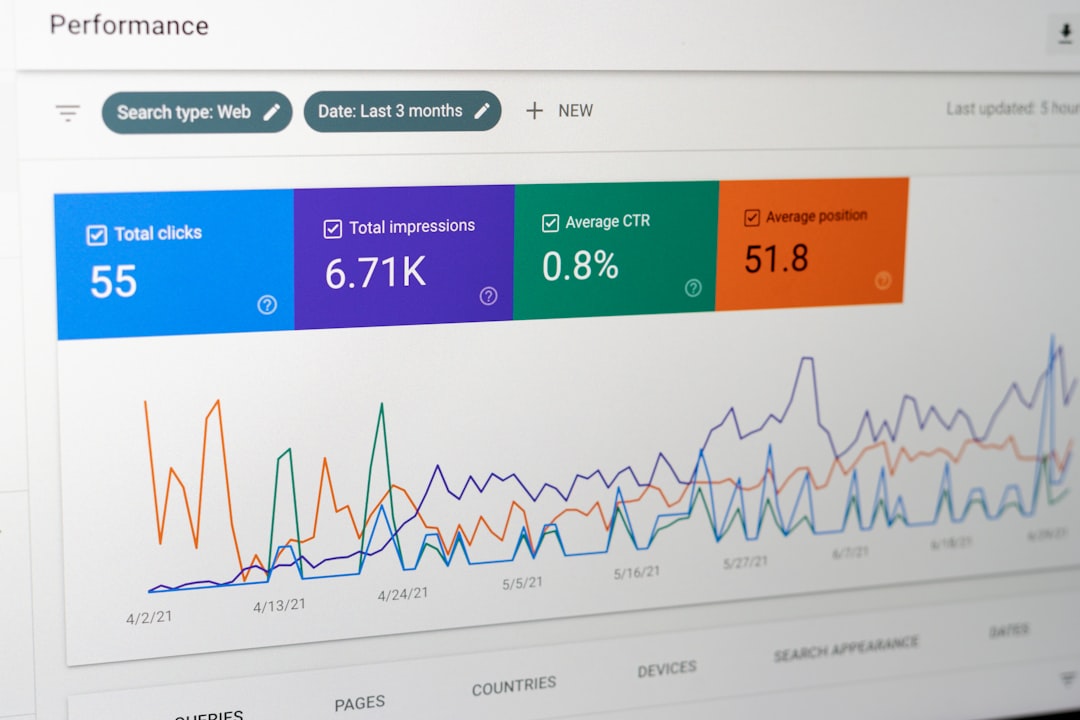
Additionally, Labrika offers SERP analysis that reveals competitor positions, domain strength indicators, and content patterns. This allows businesses to realistically assess ranking potential before investing in content creation.
Why it matters: Without clustering, SEO teams risk spreading authority thinly across similar pages. Labrika’s structured grouping supports strategic consolidation and clearer site architecture planning.
4. Transparent Competitor and Performance Monitoring
SEO success rarely happens in isolation. Competitor monitoring is essential for identifying emerging threats, spotting content gaps, and benchmarking growth. Labrika provides extensive competitor analysis features alongside keyword tracking tools.
Its monitoring system allows users to:
- Track keyword positions over time
- Analyze visibility trends
- Compare domain performance metrics
- Identify top-performing competitor pages
Unlike many tools that overwhelm users with unstructured graphs, Labrika emphasizes clarity. Historical ranking comparisons and distribution charts make performance changes easy to interpret.
Furthermore, Labrika’s reporting can reveal which competitor pages are gaining traction and why. For example, an increase in visibility may correlate with expanded semantic coverage or improved internal linking. Such discoveries provide actionable lessons rather than superficial metrics.
Why it matters: SEO is inherently competitive. Regular benchmarking enables proactive adaptation, reducing the risk of sudden ranking losses.
Overall Strengths and Practical Use Cases
Across its core features, Labrika demonstrates several consistent strengths:
- Automation combined with detailed analytics
- Clear prioritization of tasks
- Integration of technical and content SEO
- Professional reporting capabilities
These qualities make it particularly suitable for:
- SEO agencies managing multiple client sites
- Content teams aiming to improve semantic depth
- Mid-sized businesses needing structured optimization workflows
- Enterprise websites with large content inventories
It is important to note that Labrika is not a simplistic, beginner-only platform. Its depth may require an initial learning phase. However, the interface is logically structured, and most recommendations are accompanied by contextual explanations. For professionals accustomed to technical SEO terminology, the transition is straightforward.
Is Labrika Worth Considering?
From a practical standpoint, Labrika positions itself between lightweight SEO plugins and complex enterprise suites. It consolidates auditing, semantic analysis, keyword clustering, and competitor tracking into one environment. This integrated approach reduces dependency on multiple tools and fragmented data sources.
In SEO, clarity often determines success. Labrika’s ability to transform raw crawl data and SERP comparisons into structured recommendations adds tangible value. Rather than presenting overwhelming dashboards, it organizes insights into prioritized action steps.
For teams serious about sustainable organic growth, the platform offers a disciplined methodology. Technical errors can be corrected systematically. Content can be optimized through measurable benchmarks. Keyword strategies can be mapped precisely to avoid overlap. Competitors can be monitored consistently.
Final assessment: Labrika stands out as a reliable solution for organizations that require both technical depth and content intelligence. Its four strongest highlights—comprehensive audits, semantic content optimization, intelligent keyword clustering, and transparent competitor tracking—address the core pillars of effective SEO. When used methodically, these features provide a solid framework for long-term search visibility and performance improvement.
In a digital environment where search algorithms constantly evolve, relying on structured data and analytical precision is no longer optional. Labrika delivers that precision with a professional, methodical approach designed to support serious SEO execution.
