

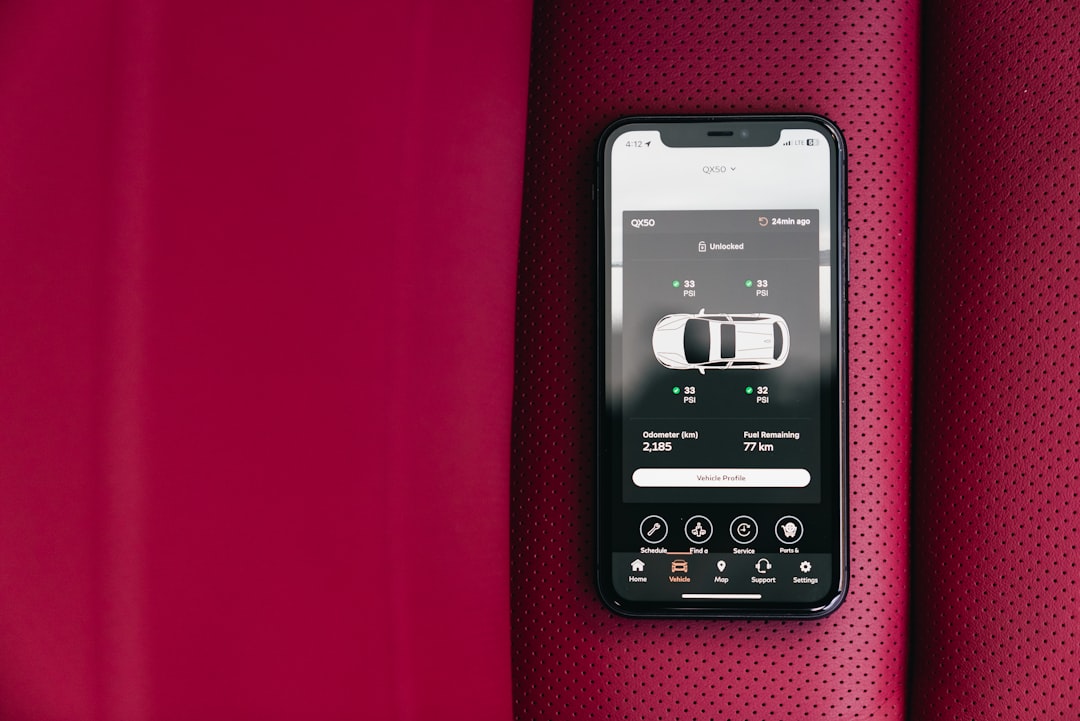
Connected car technology has redefined how drivers interact with their vehicles. What was once limited to unlocking doors with a key fob has evolved into fully remote vehicle management from a smartphone. Tesla set the benchmark with its highly integrated mobile app, but it is no longer the only brand offering advanced digital control. Today, several automakers provide sophisticated connected car apps that allow drivers to monitor, control, and optimize their vehicles remotely.
TL;DR: Connected car apps now allow drivers to remotely control, monitor, and manage their vehicles in ways similar to Tesla’s app. Leading alternatives from brands like Ford, BMW, and Hyundai offer features such as remote start, battery monitoring, over the air updates, and vehicle diagnostics. These platforms are secure, user friendly, and increasingly essential for both electric and gasoline vehicles. Choosing the right app depends on your vehicle type, desired features, and ecosystem preferences.
The integration of mobile apps with vehicles is no longer a luxury feature reserved for premium electric cars. It has become a critical component of modern vehicle ownership. Below, we examine three connected car apps that deliver Tesla-like functionality and offer robust vehicle management capabilities.
1. FordPass: Comprehensive Control for Electric and Gas Vehicles
Table of Contents
FordPass is one of the most mature and capable connected vehicle apps currently available. Designed to support both internal combustion engine vehicles and electric models like the Mustang Mach E and F 150 Lightning, FordPass offers a broad range of functionality similar to Tesla’s mobile experience.
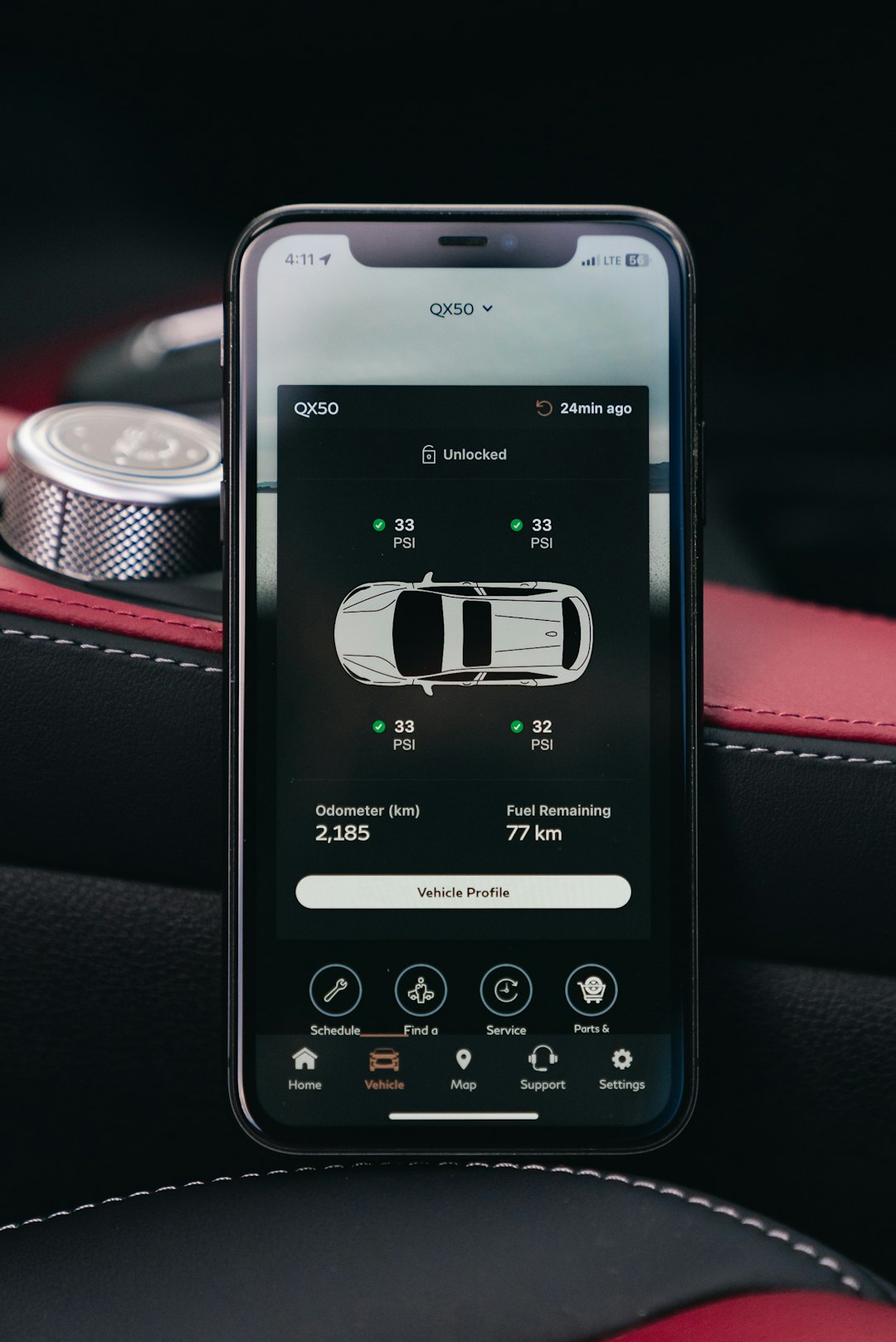
Key Features of FordPass:
- Remote start and stop for compatible vehicles
- Lock and unlock functionality from virtually anywhere
- Real time vehicle location tracking
- Fuel level and tire pressure monitoring
- Battery charge status and charging management for EV models
- Over the air software updates
For electric vehicle owners, FordPass becomes especially powerful. Drivers can schedule charging during off peak hours, locate nearby charging stations, and monitor charging progress in real time. Climate preconditioning is another standout feature, allowing drivers to heat or cool the cabin before entering the vehicle.
From a security standpoint, FordPass includes vehicle health alerts and recall notifications. These diagnostics help owners stay proactive about maintenance and reduce the likelihood of unexpected breakdowns.
Why it stands out: FordPass is notable for delivering Tesla-like functionality across both electric and traditional vehicles. This flexibility makes it appealing to drivers transitioning into EV ownership without sacrificing digital convenience.
2. BMW My BMW App: Precision and Premium Digital Integration
BMW’s My BMW App reflects the brand’s emphasis on engineering precision and premium user experience. Available for most newer BMW models, including electric vehicles from the BMW i series, the app enables a high degree of remote access and customization.

Core Capabilities of the My BMW App:
- Remote vehicle locking and unlocking
- Remote 3D view to visually inspect surroundings
- Real time vehicle status updates
- Service scheduling within the app
- Charging control and range estimation for electric models
- Digital key functionality on supported smartphones
One feature that differentiates BMW’s platform is the Remote 3D View. Using the vehicle’s cameras, owners can view images of their car’s surroundings directly within the app. This adds an additional layer of security and situational awareness, particularly in urban environments.
For electric BMW drivers, the app provides detailed battery analytics, projected range calculations, and nearby public charging station integration. Charging sessions can be both scheduled and monitored remotely, improving cost efficiency and convenience.
The My BMW App also integrates with broader digital ecosystems such as Apple CarPlay and Android Auto, ensuring that the in vehicle experience remains synchronized with home and office devices.
Why it stands out: BMW’s offering excels in blending security, performance data, and luxury level digital features. The interface is polished and intuitive, appealing to drivers who value both aesthetics and functionality.
3. Hyundai Bluelink: Affordable Innovation with Advanced Features
Hyundai’s Bluelink platform demonstrates how advanced connected technology is no longer restricted to premium brands. Available across many Hyundai models, including electric vehicles like the Ioniq 5 and Kona Electric, Bluelink provides robust remote access and vehicle insights.
Major Bluelink Features:
- Remote start with climate control
- Door lock and unlock commands
- Stolen vehicle recovery assistance
- Vehicle diagnostics and maintenance alerts
- Charging station locator for EV models
- Geofence and speed alerts for family monitoring
Bluelink includes several features aimed at safety and shared vehicle usage. Geofencing allows owners to set virtual boundaries and receive alerts if the vehicle travels beyond them. Speed alerts can notify parents when a young driver exceeds preset limits.
For EV owners, charging management mirrors the functionality seen in Tesla’s app. Users can set charging limits, monitor battery percentage, and receive notifications when charging is complete.
Hyundai also offers voice assistant integration, enabling remote commands through compatible smart home devices. This makes it possible to start the car or check vehicle status using voice control.
Why it stands out: Bluelink delivers a strong balance of affordability and advanced features. It makes high level connected technology accessible to a wider range of drivers without sacrificing performance.
Core Features Shared by Tesla Like Connected Apps
While each manufacturer offers its own digital ecosystem, most high performing connected car apps share several core capabilities:
- Remote climate control to precondition the cabin
- Live vehicle tracking with GPS integration
- Battery or fuel monitoring with real time updates
- Over the air updates for software improvements
- Maintenance diagnostics and service scheduling
- Push notifications for security and charging alerts
These features are more than convenience tools. They help owners maintain vehicle health, enhance personal security, and maximize energy efficiency.
Security and Data Privacy Considerations
With increased connectivity comes increased responsibility. Connected car apps handle sensitive data, including vehicle location, driving behavior, and access controls. Reputable automakers implement end to end encryption, multi factor authentication, and regular software updates to mitigate risks.
Drivers should take additional precautions:
- Use strong, unique passwords
- Enable two factor authentication where available
- Regularly update the mobile app
- Monitor account login activity
Most major manufacturers continuously update their systems to address vulnerabilities, making modern connected apps highly secure when properly maintained.
The Role of Connected Apps in the Electric Vehicle Future
Connected apps are especially critical in the EV landscape. Electric vehicles rely heavily on software management for battery optimization, range prediction, and charging coordination. Without a robust app, many advanced EV features would be inaccessible or inconvenient to manage.
Key EV specific benefits include:
- Charging schedule optimization for lower electricity rates
- Remote battery preconditioning
- Integration with public charging networks
- Energy consumption tracking and driving efficiency scoring
As infrastructure expands and vehicles become increasingly software driven, these apps will continue to evolve. Features such as predictive maintenance, advanced driver assistance monitoring, and vehicle to grid integration are already emerging.
Choosing the Right Connected App for Your Needs
Selecting the right connected platform depends largely on the vehicle brand you own, but buyers shopping for a new car should evaluate the app experience as carefully as horsepower or interior design.
Consider the following factors:
- User interface design and reliability
- Depth of remote functionality
- EV charging support and station integration
- Subscription costs after trial periods
- Security features and authentication methods
Test driving a vehicle should include testing its digital companion. A responsive, intuitive app significantly enhances day to day ownership satisfaction.
Final Thoughts
Tesla may have popularized the idea of managing a vehicle from a smartphone, but it no longer stands alone. FordPass, My BMW App, and Hyundai Bluelink demonstrate that advanced remote vehicle management is becoming standard across the industry.
These platforms provide practical control over locks, climate, charging, location tracking, and diagnostics. More importantly, they reflect the broader transformation of vehicles into connected digital ecosystems. As automotive technology continues to advance, the mobile app will remain central to how drivers interact with their cars.
For modern drivers, a powerful connected app is not merely a convenience feature. It is a critical extension of the vehicle itself.
