

Digital advertising has become increasingly dependent on automation, data modeling, and creative velocity. Tools powered by artificial intelligence promise faster turnaround times and improved performance, but many marketers remain skeptical — especially when presented with a lifetime deal. AdCreative AI’s lifetime offer generated significant interest, raising questions about value, scalability, and long-term reliability. To provide clarity, we analyzed six real user experiences from business owners, freelancers, and in-house marketing teams who invested in the deal.
TLDR: Six users who purchased the AdCreative AI lifetime deal report meaningful time savings and faster creative production, especially for paid social campaigns. Performance improvements varied, but most users saw better click-through rates after testing multiple AI-generated variations. The lifetime pricing provided strong perceived value, though heavy users noted limitations in credits and customization. Overall, buyers consider the deal worthwhile if used strategically rather than as a full creative replacement.
1. Small E-commerce Brand Owner: Faster Testing Cycles
Table of Contents
A Shopify store owner in the fitness niche described the lifetime deal as “a testing accelerator.” Before using AdCreative AI, the brand relied on a freelance designer who delivered creatives within 3–5 days. This slowed ad testing, especially during product launches.
With AdCreative AI, the owner was able to:
- Generate 20–30 variations in under an hour
- Quickly test multiple headline combinations
- Adapt creatives for different audience segments
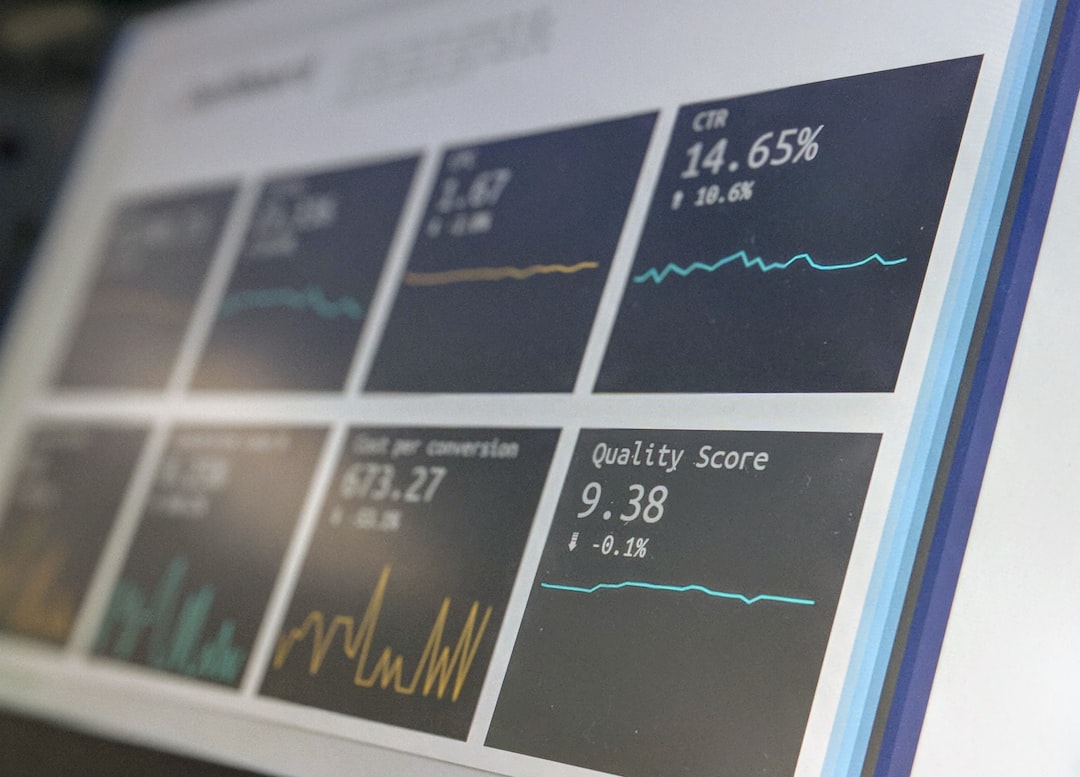
The primary benefit reported was speed. The business owner emphasized that not every AI creative performed well, but the increase in testing volume led to two clear winning ads within the first month. Click-through rates improved by approximately 18% compared to prior campaigns.
Limitation noted: While the tool generated compelling layouts, advanced brand-specific design elements required manual refinement in Canva.
2. Digital Marketing Freelancer: Client Scaling Made Easier
A freelance media buyer managing five small-business clients purchased the lifetime deal to reduce design outsourcing costs. Before AdCreative AI, creative production expenses averaged $400–$800 per client per month.
After implementation, the freelancer reported:
- A 60% reduction in outsourced creative costs
- Faster onboarding of new clients
- Improved perceived professionalism due to consistent ad formatting
The freelancer noted that AI-generated creatives were not always “award-winning,” but they were more than adequate for paid social testing. For smaller clients with limited budgets, this efficiency proved decisive.
Return on investment: The lifetime deal paid for itself within three months due to savings on design fees.
However, the freelancer highlighted an important observation: success depended on providing strong input copy and clear branding guidelines. Users who expected a fully automated solution without strategic oversight were likely to be disappointed.
3. In-House Marketing Team: Improved Volume, Mixed Performance
A mid-sized SaaS company integrated AdCreative AI into its internal marketing process. The company already had a graphic designer but struggled with creative fatigue in retargeting campaigns.

The marketing manager explained that the tool helped generate multiple banner variations rapidly. Instead of asking designers to create 15 variants manually, the team used AI to produce base versions and then refined the strongest layouts internally.
Results after 60 days included:
- Increased ad variation testing by 40%
- Slight improvement in conversion rate (5–7%)
- Reduced designer workload for repetitive resizing tasks
The team did not view AdCreative AI as a design replacement. Instead, they categorized it as a creative multiplier — a way to amplify output rather than substitute strategy.
Concern: They mentioned that brand voice required close supervision, as AI sometimes defaulted to generic marketing language.
4. Dropshipper: Short-Term Wins, Long-Term Discipline Required
A dropshipper running Facebook ads for trending products described the lifetime deal as “highly profitable — if used wisely.” Early campaigns saw immediate engagement improvements due to novelty and well-structured visuals.
- CTR increased from 1.4% to 2.1%
- Cost per click decreased by 12%
- Testing turnaround time reduced significantly
The user particularly appreciated the AI scoring system that suggested which creatives might perform better. While not always perfectly predictive, it provided directional guidance.
However, over time, the dropshipper realized that relying exclusively on AI without introducing user-generated content led to creative fatigue. The best performance came from combining:
- AI-generated static ads
- UGC video content
- Manual copy experimentation
Key takeaway: The lifetime deal works best as part of a diversified creative strategy.
5. Local Service Business: First-Time Advertiser Experience
A small home improvement business owner with no prior design experience shared a different perspective. For this user, the primary benefit was accessibility rather than optimization.

Before using AdCreative AI, the owner struggled with ad design tools and felt overwhelmed. The platform simplified the process by guiding content structure and automatically resizing ads for multiple placements.
Within two months:
- Lead inquiries increased modestly (around 10%)
- Ad creation time dropped from several hours to under one hour
- Confidence in running digital ads improved significantly
The owner acknowledged that results were not dramatic, but the psychological barrier to digital advertising was reduced. In this context, the lifetime deal functioned as an enablement tool rather than a performance breakthrough.
6. Agency Owner: Weighing Credits, Limits, and Longevity
An agency owner managing higher ad spend accounts approached the lifetime deal cautiously. While attracted to the one-time pricing, the agency needed predictability at scale.
After six months of use, the agency reported:
- Strong results for small to mid-budget campaigns
- Useful AI variations for A/B testing
- Occasional limitations due to monthly credit restrictions
The agency owner emphasized that lifetime deals must be evaluated in terms of long-term platform viability. In this case, updates continued to roll out, and support responsiveness remained consistent during their evaluation period.
From a strategic standpoint, the agency categorized AdCreative AI as:
- A supplementary creative engine
- A cost-control mechanism for lower-tier clients
- Not a replacement for high-end brand campaigns
Common Themes Across All Six Users
After reviewing these diverse experiences, several consistent patterns emerged:
1. Speed Is the Primary Advantage
Every user emphasized faster production cycles as the most tangible benefit. Even when performance gains were modest, reduced turnaround time created operational improvements.
2. AI Output Requires Oversight
No user recommended running AI creatives without human review. Strong results came when combining human strategy with AI speed.
3. Performance Gains Vary by Niche
E-commerce and lead-generation businesses reported stronger improvements than highly brand-sensitive industries.
4. Lifetime Pricing Increases Perceived Value
Buyers appreciated cost certainty. For freelancers and small teams, eliminating recurring subscriptions contributed significantly to ROI confidence.
Is the Lifetime Deal Truly Worth It?
The answer depends on usage patterns and expectations.
The lifetime deal appears most beneficial for:
- Freelancers managing multiple clients
- E-commerce businesses running continuous ad tests
- Small businesses seeking self-service creative solutions
It may be less essential for:
- Brands requiring highly customized artistic direction
- Enterprises with large in-house creative departments
- Companies that prioritize video over static ads
Across all six experiences, none of the users described the purchase as a mistake. However, none portrayed it as a magic solution either. It functioned as a practical tool — one that improves efficiency, enables broader testing, and lowers certain operational costs.
Final Assessment
The AdCreative AI lifetime deal delivers measurable operational value when aligned with realistic expectations. Its strongest attribute is production speed combined with variation volume. Performance improvements are real but inconsistent, depending heavily on strategy and execution.
For marketers seeking a way to accelerate testing and reduce creative bottlenecks, the lifetime deal represents a cost-effective investment. For those expecting automated creative perfection, it may fall short.
Ultimately, the six user experiences converge on a clear conclusion: AdCreative AI is a productivity amplifier, not a creative replacement. Used thoughtfully, it can meaningfully enhance advertising workflows and improve campaign agility in an increasingly competitive digital landscape.
