

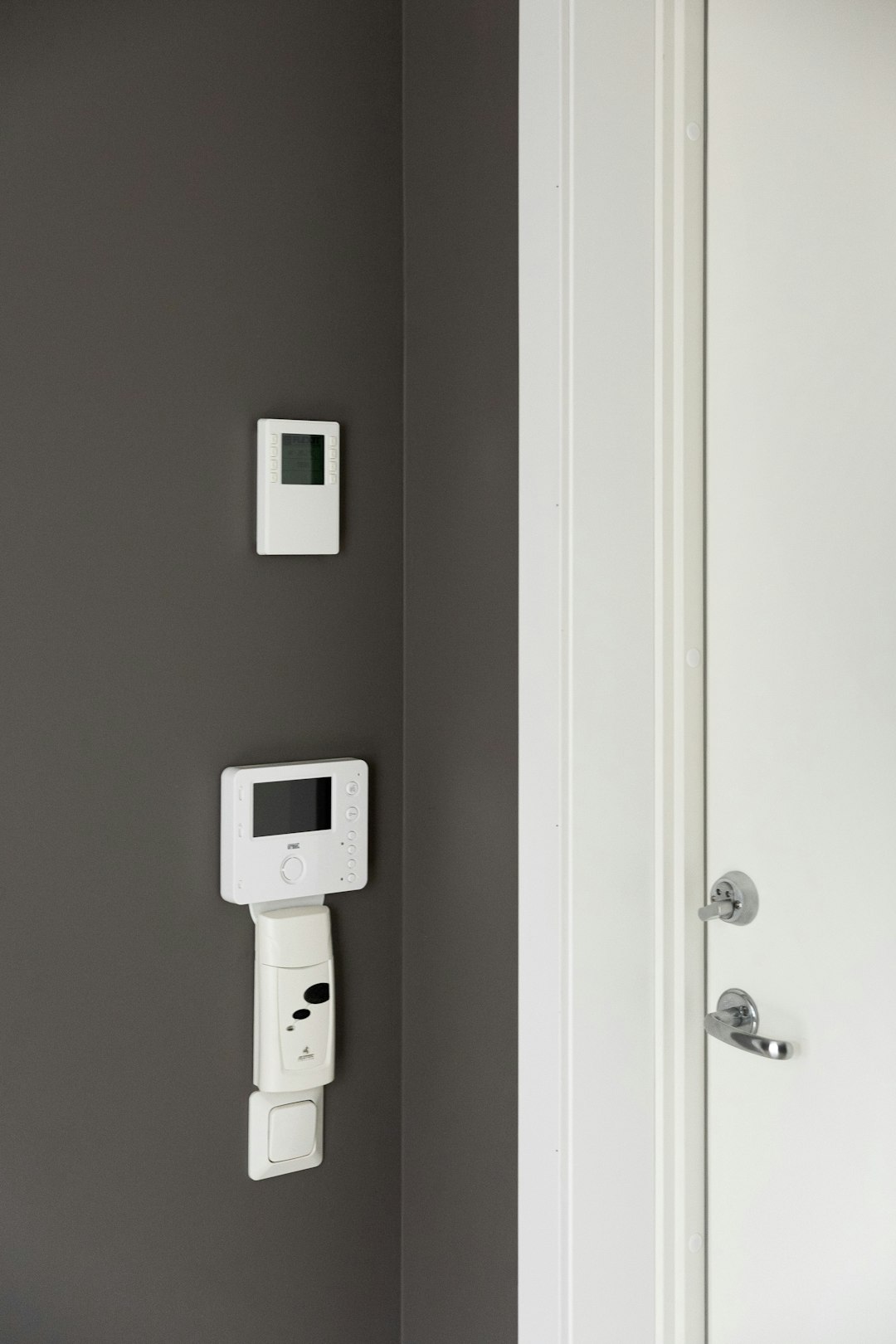
As electricity costs continue to rise and households become more conscious of their environmental impact, home energy monitoring apps have gained significant popularity. Solutions like Sense allow homeowners to track electricity usage in real time, identify waste, and make smarter decisions about how and when energy is consumed. By pairing smart hardware with intuitive mobile apps, these systems transform raw electrical data into actionable insights. The result is greater control over utility bills and a clearer understanding of a home’s energy footprint.
TLDR: Home energy monitoring apps like Sense help homeowners track real-time electricity usage, identify energy-hungry devices, and reduce waste. These systems combine smart sensors with mobile apps to deliver detailed insights into consumption patterns. They can lower utility bills, improve efficiency, and support greener living. While setup requires compatible electrical panels and sometimes professional installation, the long-term savings and transparency often outweigh the upfront cost.
How Home Energy Monitoring Apps Work
Table of Contents
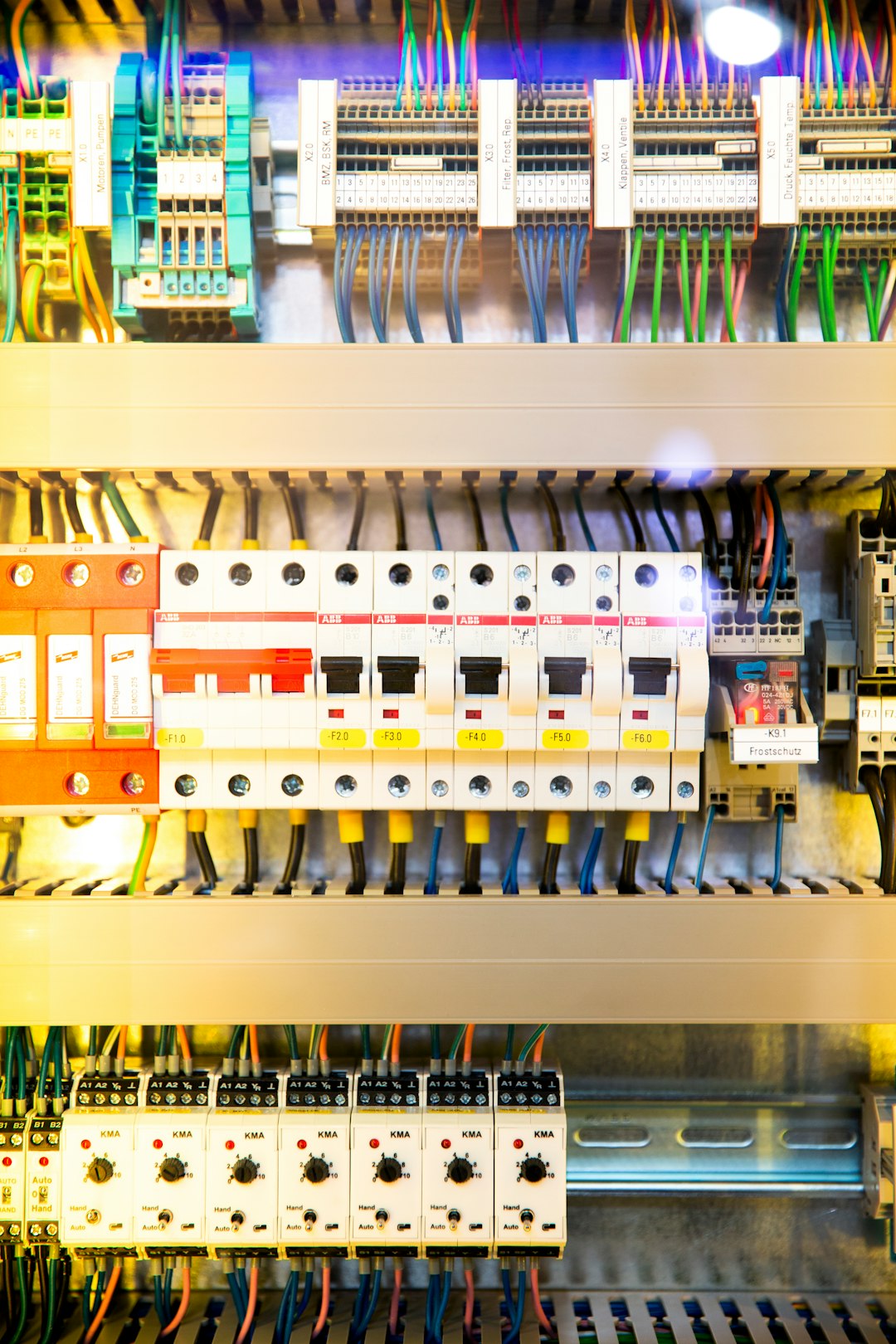
At the core of most systems like Sense is a home energy monitor installed within the electrical panel. This hardware uses sensors to measure the current flowing through the main power lines, capturing data multiple times per second. The collected information is then transmitted to a connected mobile app via Wi-Fi.
What sets advanced systems apart is their use of machine learning algorithms. Instead of merely reporting total usage, the app analyzes the electrical signatures of various appliances. Over time, it learns to distinguish between devices such as refrigerators, HVAC systems, washing machines, and even smaller electronics.
Through the companion app, users can:
- View real-time energy consumption
- Track daily, weekly, and monthly usage trends
- Receive alerts when certain devices turn on or off
- Identify energy-intensive appliances
- Estimate electricity costs based on usage patterns
This level of granularity empowers homeowners to move beyond guessing about their bills and instead make data-backed decisions.
Key Benefits of Energy Monitoring Apps
1. Real-Time Visibility
One of the most compelling features of platforms like Sense is instant visibility. Traditional utility bills provide only a monthly snapshot, often long after the electricity has been used. Energy monitoring apps, however, show current consumption down to the minute.
This real-time data makes it easy to see how turning on an oven or running a clothes dryer affects overall energy use. The immediate feedback encourages more mindful habits.
2. Identifying “Energy Vampires”
Many homes contain appliances and electronics that draw power even when not actively in use. These so-called phantom loads or “energy vampires” can significantly increase electricity bills over time.
Energy monitoring apps help detect:
- Standby electronics
- Old refrigerators or freezers
- Inefficient HVAC systems
- Malfunctioning appliances
By highlighting these hidden drains, homeowners can take corrective action—such as upgrading equipment, adjusting settings, or simply unplugging unused devices.
3. Cost Savings
While the initial investment in a monitoring system may range from a few hundred dollars and up, the long-term savings can be substantial. Studies have shown that homeowners with access to detailed energy data often reduce consumption by 5% to 15%.
Even small behavioral changes—like adjusting thermostat settings, running appliances during off-peak hours, or replacing old lighting with LED bulbs—can make a noticeable financial impact.
4. Environmental Impact
In addition to saving money, reducing electricity usage lowers greenhouse gas emissions. For households interested in sustainability, energy monitoring apps provide measurable proof of progress toward environmental goals.
Some systems also integrate with solar panels, allowing users to track:
- Solar production levels
- Grid consumption versus solar use
- Net energy export

Features to Look For in Apps Like Sense
Not all energy monitoring apps offer the same capabilities. When evaluating options, homeowners should consider the following features:
Device Detection Accuracy
The effectiveness of a monitoring app largely depends on how accurately it can identify individual appliances. Advanced machine learning models improve over time, but some devices may take weeks or months to be recognized consistently.
User Interface and Data Visualization
An intuitive, well-designed app makes complex energy data easier to understand. Look for:
- Clear graphs and trends
- Customizable notifications
- Easy-to-navigate dashboards
Smart Home Integration
Many modern systems integrate with popular smart home platforms. This allows users to automate actions such as:
- Turning off lights when consumption spikes
- Adjusting thermostats during peak pricing periods
- Monitoring electric vehicle charging sessions
Historical Data and Reporting
Long-term data tracking helps identify seasonal trends and recurring patterns. Detailed reporting features can be especially useful for households on time-of-use billing plans.
Installation and Setup Considerations
Installing a whole-home energy monitor typically involves attaching sensors to the main electrical lines in the breaker panel. Because this process requires working near high-voltage components, many homeowners opt for professional installation.
Before purchasing a system, it is essential to confirm:
- Compatibility with the home’s electrical panel
- Reliable Wi-Fi connectivity near the panel
- Adequate space for the device
Once installed, setup generally involves connecting the app, configuring energy rates, and allowing the system to begin learning device patterns. Over several weeks, the app becomes more accurate as it gathers additional data.
Comparing Sense to Other Energy Monitoring Apps
Although Sense is one of the most recognized names in the space, several alternatives exist. Some focus on circuit-level monitoring, while others emphasize integration with solar systems or smart home ecosystems.
Key differences among platforms may include:
- Hardware complexity – Some require additional sensors for individual circuits.
- Level of detail – Certain systems monitor only total consumption.
- Subscription models – While many apps are free after hardware purchase, others charge for advanced analytics.
Choosing the right system depends on individual goals—whether that is precise device tracking, renewable energy management, or basic consumption awareness.

Potential Limitations
Despite their many benefits, home energy monitoring apps are not without limitations.
Learning Curve
Device detection can take time. During the initial weeks, the app may misidentify or fail to recognize certain appliances. Patience is required as the system refines its algorithms.
Upfront Costs
The purchase and potential installation costs can be a barrier for some homeowners. However, for larger households with higher electricity bills, the return on investment may justify the expense.
Accuracy Variations
Homes with complex wiring setups or multiple subpanels may experience variations in detection accuracy. Additionally, smaller electronics with similar electrical signatures can be difficult for algorithms to differentiate.
Who Benefits Most from Energy Monitoring Apps?
While nearly any homeowner can benefit from improved energy insight, certain groups may see the greatest advantage:
- Homeowners with high electricity bills
- Households with electric vehicles
- Families using time-of-use utility pricing
- Solar panel owners seeking production monitoring
- Environmentally conscious consumers
For renters or apartment dwellers without access to the main electrical panel, plug-in energy monitors may offer a simpler, though less comprehensive, alternative.
The Future of Home Energy Monitoring
As smart home technology continues to evolve, energy monitoring is likely to become even more sophisticated. Future developments may include:
- Improved AI-driven device detection
- Automated energy optimization suggestions
- Seamless integration with home batteries and renewable energy storage
- Predictive maintenance alerts for aging appliances
With rising emphasis on energy efficiency and sustainability, real-time consumption data may soon become a standard feature in modern homes rather than a niche upgrade.
Frequently Asked Questions (FAQ)
1. Do home energy monitoring apps really save money?
Yes, many users report reduced electricity bills after installing a monitoring system. By identifying waste and adjusting habits, homeowners often lower consumption by 5% to 15%.
2. Is professional installation required?
While some technically skilled homeowners may install the device themselves, professional installation is often recommended for safety reasons since it involves working inside an electrical panel.
3. How long does it take for the app to recognize appliances?
Device detection can begin within days, but full accuracy may take several weeks or even months as the system gathers data and refines its algorithms.
4. Can these apps work with solar panels?
Many energy monitoring systems offer solar integration, allowing users to track both energy production and grid consumption in real time.
5. Are there ongoing subscription fees?
Some platforms provide free app access after the hardware purchase, while others offer premium features through optional subscription plans.
6. Are these systems suitable for apartments?
Whole-home monitors typically require access to the main breaker panel, making them more suitable for homeowners. Renters may need permission from property owners or opt for plug-in device monitors instead.
Home energy monitoring apps like Sense represent a powerful step toward smarter, more efficient living. By offering detailed insights, real-time monitoring, and intelligent analysis, they enable homeowners to take control of electricity usage in ways that were once impossible. In a world increasingly focused on sustainability and cost efficiency, such tools provide both practical savings and meaningful environmental benefits.
