

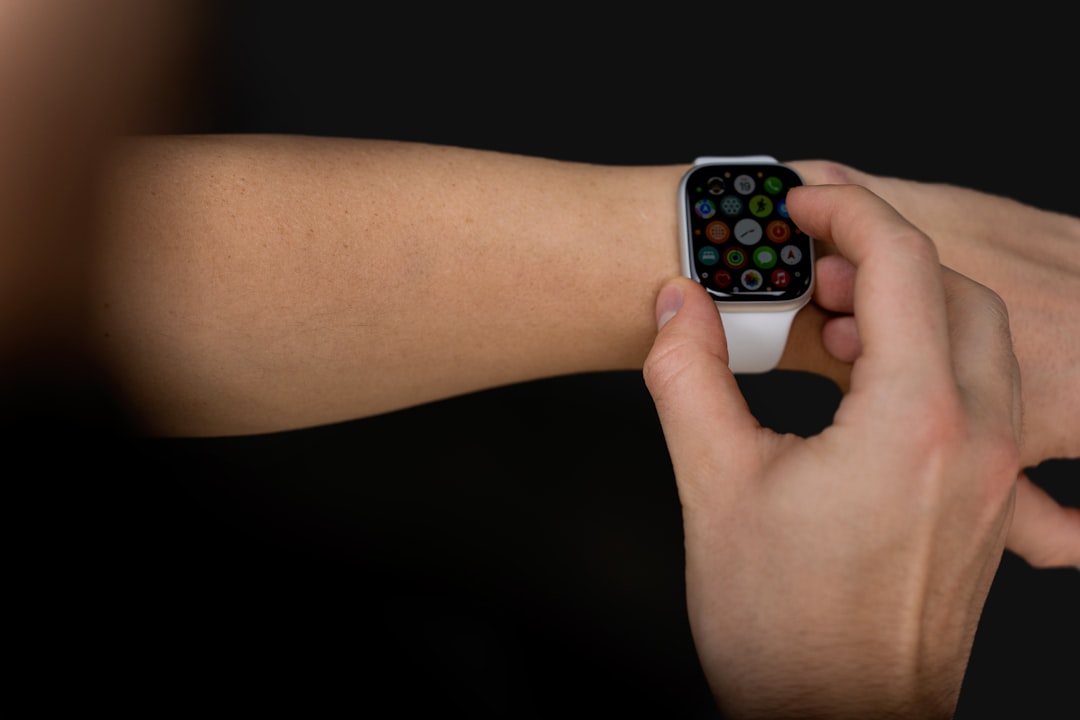
Wearable fitness technology has transformed the way we understand our bodies. What started as simple step counters has evolved into sophisticated health ecosystems capable of monitoring heart rate variability, sleep cycles, blood oxygen levels, stress patterns, and even electrocardiograms. While Fitbit remains one of the most recognized names in wearable health tracking, it is far from the only powerful solution available today. A growing number of wearable data tracking apps now offer deep insights, cross-platform compatibility, and personalized coaching features that rival — and sometimes surpass — Fitbit’s offerings.
TLDR: Fitbit may be popular, but it’s not your only option for tracking health metrics. Apps like Apple Fitness+, Garmin Connect, Samsung Health, WHOOP, and Withings Health Mate offer advanced features including sleep tracking, stress monitoring, heart rate analytics, and recovery insights. Each platform caters to different types of users — from athletes to wellness beginners. Choosing the right one depends on your goals, devices, and preferred level of data depth.
Below, we explore five powerful wearable data tracking apps that provide robust alternatives to Fitbit and help you take control of your health in smarter, more personalized ways.
1. Apple Fitness+ and Apple Health
Table of Contents
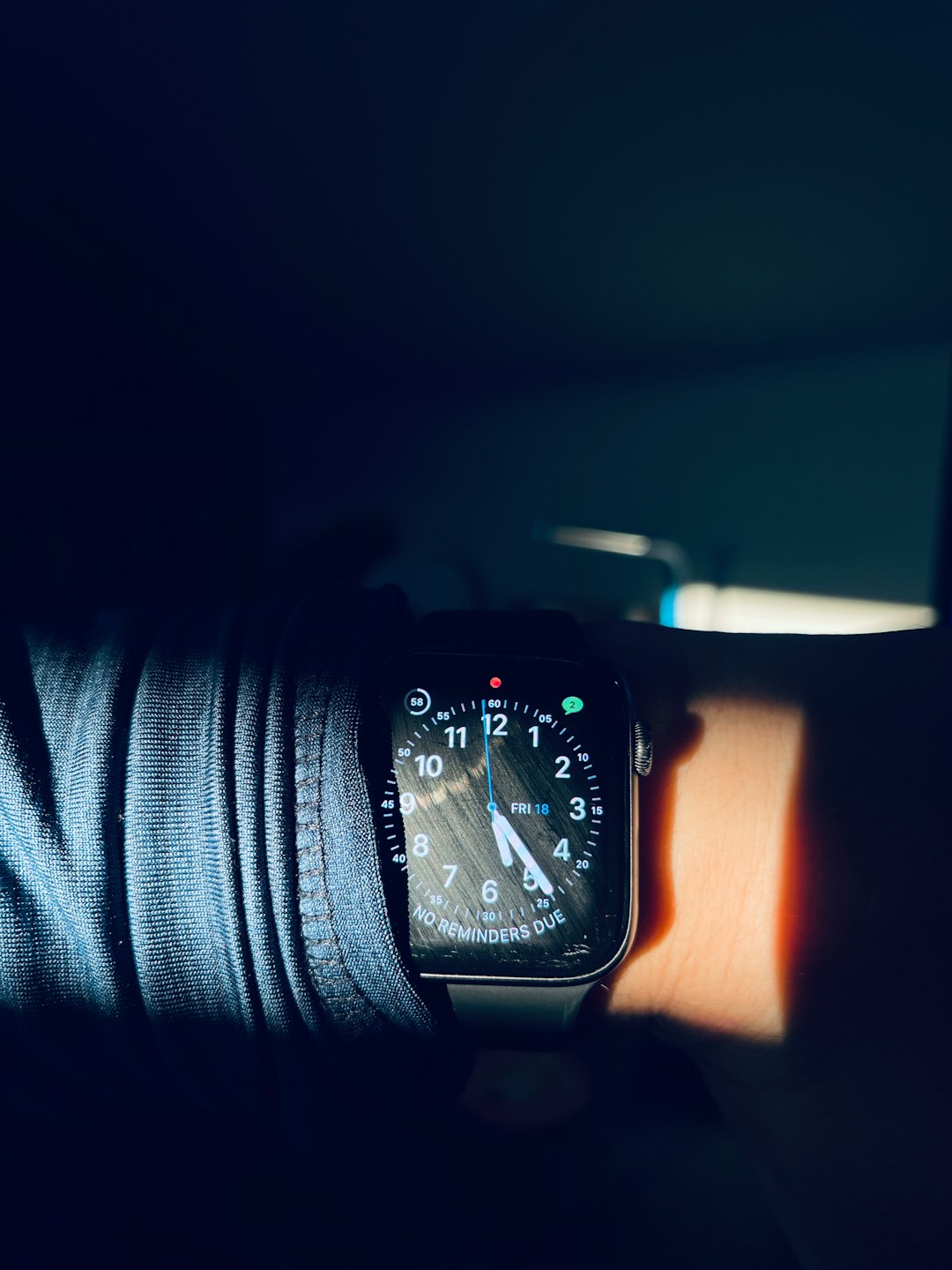
For iPhone users, Apple’s health ecosystem is one of the most comprehensive wearable experiences available. Paired with the Apple Watch, Apple Health collects detailed data on heart rate, ECG readings, blood oxygen levels, sleep stages, mobility, and even mindfulness minutes.
Key Features:
- Advanced Heart Monitoring: ECG capabilities and irregular rhythm notifications.
- Sleep Stage Tracking: Detailed analysis of REM, Core, and Deep sleep.
- Fitness+ Integration: Guided workouts synced with real-time performance metrics.
- Mobility and Stability Insights: Fall detection and walking steadiness tracking.
What sets Apple apart is its seamless ecosystem integration. Data from third-party apps, connected smart scales, and nutrition trackers can be consolidated into a single dashboard. The Fitness+ subscription service also provides studio-quality workouts ranging from HIIT and yoga to strength training and meditation, with real-time metrics displayed on-screen.
Best for: iPhone users who want a fully integrated health system with strong privacy controls and polished design.
2. Garmin Connect
Garmin has long been respected by endurance athletes and outdoor enthusiasts. The Garmin Connect app paired with Garmin wearables delivers comprehensive tracking that often goes deeper into performance metrics than mainstream fitness apps.
Key Features:
- VO2 Max Estimates: Evaluates cardiovascular fitness levels.
- Body Battery Monitoring: Measures energy reserves throughout the day.
- Advanced GPS Tracking: Especially strong for runners, cyclists, and hikers.
- Training Readiness Scores: Suggests optimal workout intensity.
Garmin’s analytics shine in performance optimization. Users can track lactate threshold, cadence, stride length, and heat acclimation. Data is presented clearly, but with enough depth to satisfy serious athletes.
Another advantage is battery life. Many Garmin devices outlast competitors by days or even weeks, making them ideal for long-distance adventures.
Best for: Athletes, marathon trainers, cyclists, and outdoor adventurers who crave detailed performance analytics.
3. Samsung Health
Samsung Health is a versatile and accessible app compatible with many Android devices and Samsung wearables. It strikes a balance between fitness tracking and overall wellness monitoring — making it appealing to everyday users.
Image not found in postmetaKey Features:
- Comprehensive Sleep Analysis: Tracks snoring, sleep phases, and blood oxygen.
- Stress Monitoring: Uses heart rate variability to estimate stress levels.
- Body Composition Metrics: Measures skeletal muscle and body fat percentage on select devices.
- Community Challenges: Gamified step competitions for motivation.
Samsung Health stands out for offering body composition analysis directly from a wrist device — a feature once limited to specialized scales. The platform also integrates nutrition logging, hydration tracking, and meditation features into one cohesive app.
Its intuitive layout makes health data approachable without overwhelming users with overly technical details.
Best for: Android users looking for a feature-rich but user-friendly health companion.
4. WHOOP
Unlike traditional wearables that focus on step counting, WHOOP emphasizes recovery, strain, and sleep optimization. Designed primarily for performance-focused individuals and professional athletes, WHOOP uses continuous monitoring to deliver highly personalized health insights.
Key Features:
- Recovery Score: Combines heart rate variability, resting heart rate, and sleep data.
- Strain Monitoring: Quantifies cardiovascular load for each day.
- Sleep Coach: Recommends optimal bedtimes based on strain levels.
- Respiratory Rate Tracking: Helpful for illness detection.
WHOOP differs from many competitors by operating on a subscription model rather than selling its band separately. The wearable itself has no display; instead, all data is viewed within the app. This distraction-free design appeals to users who prefer minimalism.
The platform excels at showing correlations — for example, how alcohol intake affects recovery scores or how different sleep durations impact strain capacity.
Best for: Performance-driven individuals who prioritize recovery optimization over daily step counts.
5. Withings Health Mate
Withings offers a holistic health tracking ecosystem that integrates smartwatches, scales, blood pressure monitors, and sleep analyzers. The Health Mate app compiles diverse data streams into a clean, medical-style dashboard.
Key Features:
- Clinically Oriented Metrics: Blood pressure syncing and ECG readings.
- Smart Scale Integration: Tracks weight trends, BMI, and body composition.
- Detailed Sleep Analysis: Includes sleep score and breathing disturbances.
- Long Battery Life Devices: Often lasting several weeks.
Withings appeals to users looking for medically relevant insights rather than high-intensity athletic data. Its sleek analog-style watches combine classic design with smart tracking capabilities — perfect for users who prefer a traditional watch aesthetic.
The app presents trends over time, helping identify gradual changes in weight, cardiovascular metrics, or sleep patterns.
Best for: Health-conscious individuals focused on medical-grade metrics and long-term trends.
How to Choose the Right Fitbit Alternative
Selecting the ideal wearable tracking app depends largely on your lifestyle and goals. Consider the following factors:
- Device Compatibility: iOS vs. Android support.
- Primary Focus: General wellness, performance training, or medical monitoring.
- Battery Expectations: Daily charging vs. multi-week life.
- Data Depth: Simple summaries or advanced analytics.
- Subscription Costs: One-time purchase vs. recurring fees.
If you’re a beginner aiming to build healthier habits, Samsung Health or Apple Fitness+ may feel intuitive and motivating. Competitive athletes might lean toward Garmin Connect or WHOOP for deeper performance insights. Meanwhile, users tracking weight, heart health, or blood pressure long-term might prefer Withings.
The Future of Wearable Health Tracking
Wearable health apps are rapidly expanding beyond fitness. Emerging innovations include:
- Continuous glucose monitoring integration
- Hydration tracking through skin sensors
- Advanced stress prediction algorithms
- AI-driven health coaching
Machine learning is enabling wearable apps to deliver proactive alerts rather than reactive data summaries. For example, some systems can now detect early signs of illness based on subtle shifts in resting heart rate or respiratory patterns.
Privacy and data security are also becoming central considerations, with companies investing heavily in encrypted storage and user-controlled data sharing.
Final Thoughts
Fitbit may be a household name in wearable fitness technology, but the market now offers a diverse array of powerful health tracking platforms tailored to different lifestyles. Whether you want performance optimization, medical-grade insights, recovery analysis, or simple step encouragement, there is a wearable app designed for you.
The most effective health tracker is ultimately the one you’ll use consistently. Choose a platform aligned with your goals, devices, and motivation style — and let your wearable transform raw data into meaningful, sustainable health improvements.
With the right app on your wrist, every heartbeat, step, and hour of sleep becomes an opportunity to better understand — and improve — your well-being.
