

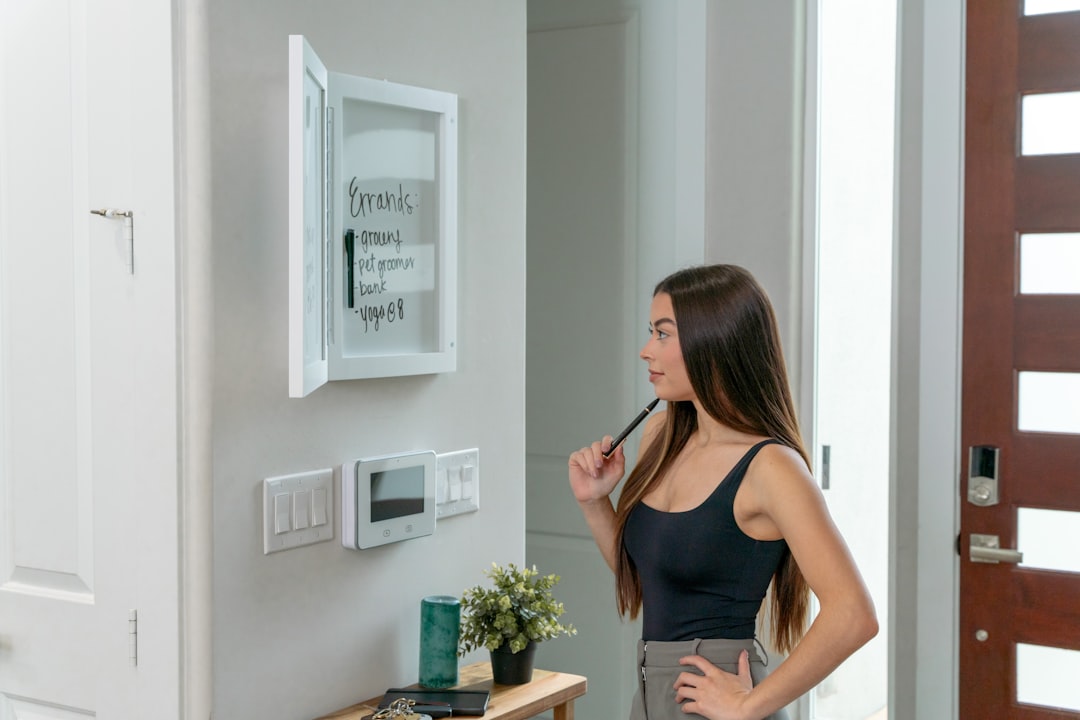
Smart camera monitoring tools like Ring have transformed the way homeowners protect their properties, combining convenience, connectivity, and advanced technology into compact, user-friendly devices. These systems allow individuals to monitor their homes in real time, receive instant alerts, and even communicate with visitors remotely. As security concerns and the demand for smart home integration increase, these camera-based solutions are becoming a central feature of modern residential safety strategies.
TLDR: Smart camera monitoring tools like Ring offer real-time video surveillance, motion detection alerts, and remote access through mobile apps. They enhance home security with features such as two-way audio, cloud storage, and smart home integration. While they provide convenience and peace of mind, users should also consider privacy, subscription costs, and internet reliability. Overall, they represent a powerful and accessible solution for modern home protection.
The Evolution of Home Surveillance
Table of Contents
Traditional home security systems once relied heavily on wired cameras, alarm panels, and professional monitoring services that required complex installation. Today, smart camera monitoring tools have redefined the landscape. Devices like Ring operate primarily through Wi-Fi, reducing the need for invasive wiring and professional setup. Homeowners can install many of these systems themselves in less than an hour.
The shift toward wireless and app-controlled surveillance has empowered users with immediate access to live video feeds and recorded footage. Through smartphones or tablets, homeowners can monitor activity whether they are at work, on vacation, or simply in another room.
Core Features of Smart Camera Monitoring Tools
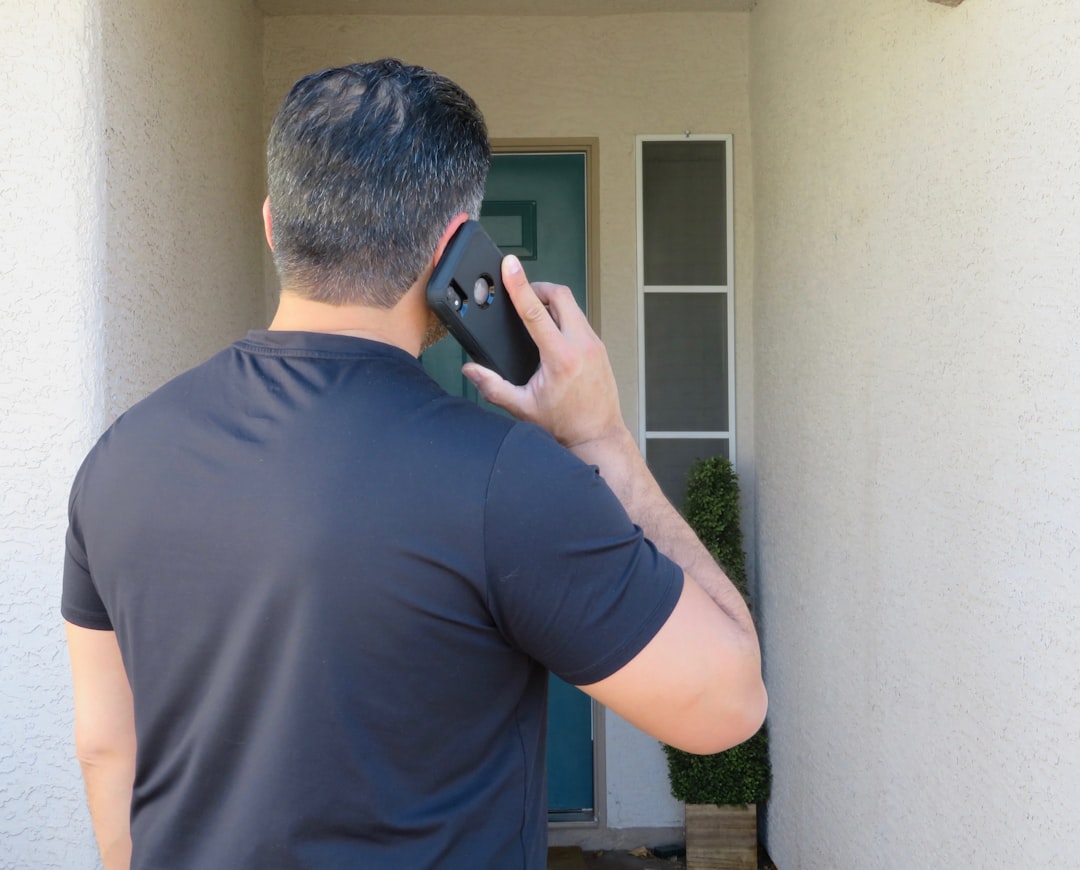
Smart camera systems such as Ring offer a comprehensive suite of features designed to maximize security and convenience. While specific capabilities vary by model, most systems include the following:
- Live Video Streaming: Real-time video accessible through a mobile app.
- Motion Detection Alerts: Instant notifications triggered by movement.
- Two-Way Audio: Built-in microphones and speakers for communication.
- Night Vision: Infrared technology for clear footage in low light.
- Cloud and Local Storage: Recorded clips stored for future review.
- Integration with Smart Home Devices: Compatibility with voice assistants and automation platforms.
These features work together to create an active monitoring system rather than a passive recording device. Instead of discovering incidents after the fact, homeowners can respond in real time.
How Ring and Similar Systems Enhance Safety
One of the most significant advantages of smart camera monitoring tools is their proactive nature. Motion sensors can distinguish between general movement and specific triggers, such as a person approaching the door. When activity is detected, users receive alerts instantly, allowing them to review live footage and determine whether action is necessary.
For example, if a delivery driver approaches the front porch, the homeowner can see and speak to them directly through the two-way audio system. If suspicious behavior is detected, the homeowner may choose to activate a built-in siren or contact local authorities.
In addition to deterring theft and vandalism, these systems also enhance overall household awareness. Parents can monitor when children arrive home from school, and homeowners can check on pets while away.
Indoor vs. Outdoor Camera Solutions
Smart camera systems are available for both indoor and outdoor use, each designed with specific environmental considerations in mind.
Outdoor Cameras are typically equipped with:
- Weather-resistant housing
- Wide-angle lenses
- Enhanced night vision
- Spotlights or sirens
Indoor Cameras often prioritize:
- Compact and discreet designs
- Pan and tilt functionality
- Privacy shutters
- Integration with existing home automation
By combining both types, homeowners can create layered security coverage that monitors entry points, common spaces, and exterior perimeters.
The Role of Cloud Storage and Subscriptions
Many smart camera monitoring tools operate with optional subscription plans. While live viewing is often free, recorded video storage and advanced features may require monthly or annual fees.
Cloud storage allows users to:
- Review past footage
- Download or share video clips
- Access extended storage durations
- Utilize advanced motion filtering
Some systems also offer local storage alternatives using SD cards or dedicated hubs. The choice between cloud and local storage often depends on budget, data security preferences, and the desired retention period for video recordings.
Privacy and Security Considerations
While smart surveillance offers clear benefits, it also raises important privacy concerns. Since these devices connect to the internet, they can potentially be vulnerable to hacking if not properly secured.
To enhance digital safety, users should:
- Enable two-factor authentication
- Use strong, unique passwords
- Regularly update firmware
- Secure home Wi-Fi networks with encryption
Additionally, homeowners must consider the placement of cameras to respect the privacy of neighbors and visitors. Transparent communication and visible camera placement can help maintain trust within communities.
Integration With Smart Home Ecosystems
One of the most appealing aspects of tools like Ring is their ability to integrate seamlessly with broader smart home systems. Cameras can synchronize with:
- Smart locks
- Outdoor lighting
- Voice assistants
- Alarm systems
For instance, when motion is detected at night, connected floodlights can automatically turn on. Users can also request live camera feeds using voice commands through compatible smart speakers.

This interconnected approach transforms individual devices into a comprehensive home security network, enhancing efficiency and responsiveness.
Installation and Ease of Use
One reason smart camera tools have surged in popularity is their simplicity. Many models are battery-powered and require only basic tools for mounting. Step-by-step app instructions guide users through setup, Wi-Fi connection, and customization of motion zones.
Customization options allow homeowners to adjust sensitivity levels, create activity zones to reduce false alerts, and schedule monitoring times. This flexibility ensures the system aligns with everyday routines rather than disrupting them.
Benefits for Different Types of Households
Smart camera monitoring tools benefit a wide range of users:
- Families: Monitor children and track arrivals and departures.
- Frequent Travelers: Check on property remotely.
- Apartment Dwellers: Add door security without major modifications.
- Elderly Residents: Increase safety with real-time access to help.
- Pet Owners: Observe pets during work hours.
The adaptability of these systems makes them suitable for both small apartments and large homes.
Potential Drawbacks and Limitations
Despite their advantages, smart camera systems are not without limitations. Reliable internet connectivity is essential for real-time monitoring and alerts. Power outages may also disrupt functionality unless backup batteries are available.
Other potential drawbacks include:
- Ongoing subscription costs
- Limited storage on free plans
- Occasional false motion alerts
- Dependence on mobile devices
However, many manufacturers continuously improve artificial intelligence features to reduce false alarms and enhance detection accuracy.
The Future of Smart Camera Monitoring
The future of home surveillance lies in increasingly intelligent systems. Emerging innovations include facial recognition, package detection, and AI-powered threat analysis. As machine learning algorithms advance, smart cameras may become even more accurate in distinguishing between normal activity and potential threats.
In addition, expanding integration with home automation platforms will likely create smoother and more intuitive user experiences. Enhanced encryption and cybersecurity measures are also expected to address growing privacy concerns.
As technology continues to evolve, smart camera monitoring tools like Ring are poised to remain central to residential security strategies, offering homeowners greater visibility, control, and peace of mind.
Frequently Asked Questions (FAQ)
1. Do smart camera monitoring tools require a subscription?
Many systems offer basic live viewing for free, but recording storage and advanced features often require a paid subscription plan.
2. Can smart cameras work without Wi-Fi?
Most smart camera features, including remote viewing and notifications, require Wi-Fi. Some models offer limited local recording options without internet access.
3. Are smart home cameras secure from hackers?
While manufacturers implement encryption and security measures, users should strengthen protection by enabling two-factor authentication and keeping firmware updated.
4. How long do recorded videos stay stored?
Storage duration depends on the subscription plan or local storage capacity. Some plans retain footage for 30 to 180 days.
5. Can smart cameras integrate with other smart home devices?
Yes, many systems integrate with smart locks, lighting, voice assistants, and alarm systems to create a connected home security network.
6. Are these systems suitable for renters?
Yes, many smart cameras and doorbells are designed for easy installation without permanent wiring, making them ideal for rental properties.
