

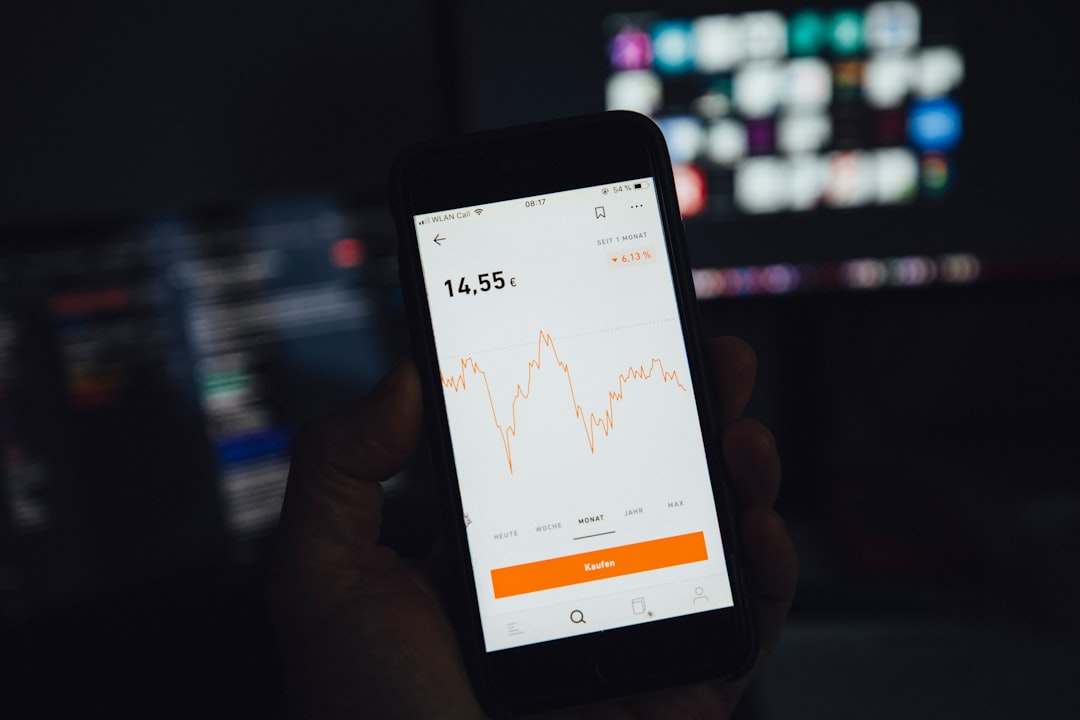
Your health data lives in many places. Your phone tracks your steps. Your smartwatch checks your heart rate. Your doctor has lab results. A sleep app records how long you rest. Wouldn’t it be nice if all this information could talk to each other? That’s where health data integration tools like Apple HealthKit come in.
TLDR: Health data integration tools collect health information from different apps and devices and store it in one place. They help your data work together instead of staying scattered. This makes it easier for you and your doctor to see the big picture. Tools like Apple HealthKit are leading the way in making health tracking simple and powerful.
Let’s break it down in a fun and simple way.
What Is Health Data Integration?
Table of Contents
Imagine your health information is like puzzle pieces.
One piece comes from your fitness tracker. Another comes from your smart scale. Another from your heart rate monitor. On their own, they are just small bits of information. But when you put them together, you see the full picture.
That’s health data integration. It connects different sources of health data into one complete view.
Instead of jumping between five apps, you open one dashboard. Everything is there. Simple. Clean. Easy.
What Is Apple HealthKit?
Apple HealthKit is a framework made by Apple. It allows health and fitness apps to share data with the Apple Health app.
Think of HealthKit as the middleman. Or better yet, the translator.
It helps:
- Fitness apps share step counts
- Nutrition apps log calories
- Sleep apps record rest time
- Medical apps store blood pressure or lab results
All of this information flows into one secure place on your iPhone.
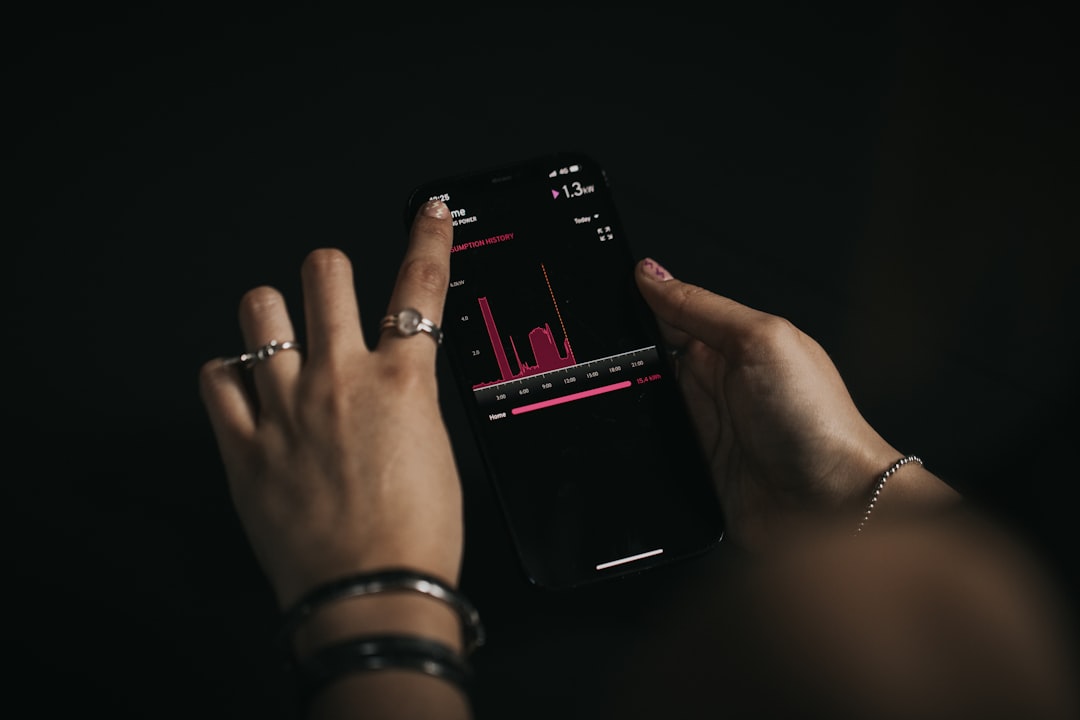
That one place is the Apple Health app. It becomes your personal health hub.
Why This Matters
Health is not one single number.
Your heart rate affects your workouts. Your sleep affects your mood. Your diet affects your energy. Everything connects.
When data stays in separate apps, it is harder to see patterns.
But when data integrates, amazing things happen:
- You notice trends faster
- You understand your body better
- You make smarter health choices
- Your doctor gets clearer insights
For example, you might realize that on days you sleep less than six hours, your resting heart rate increases. That’s powerful information. And you did not need to be a scientist to see it.
How HealthKit Actually Works
The process is simple behind the scenes.
- You install a health or fitness app.
- The app asks permission to read or write data to Apple Health.
- You approve.
- The data syncs automatically.
That’s it.
No copy-paste. No manual logging. No spreadsheets.
HealthKit supports many types of data, including:
- Steps and walking distance
- Heart rate
- Calories burned
- Blood pressure
- Blood glucose
- Sleep analysis
- Body weight
- Mindfulness minutes
It can even store clinical records from supported hospitals.
Security and Privacy
Health data is sensitive. Very sensitive.
That is why privacy is a big focus.
With Apple HealthKit:
- Data stays encrypted on your device
- You control which apps access your information
- You can remove permissions anytime
- Your data is not shared without consent
You are in charge.
This builds trust. And trust is essential when dealing with health information.
Real-Life Use Cases
Let’s make this practical.
Here are a few ways people use integrated health data every day.
1. Fitness Enthusiasts
A runner uses:
- A smartwatch for heart rate
- A running app for distance tracking
- A nutrition app for calories
All results sync into one dashboard. The runner sees how food affects performance. They adjust easily.
2. People Managing Chronic Conditions
Someone with high blood pressure tracks:
- Daily blood pressure readings
- Medication logs
- Exercise minutes
The integrated data shows patterns over time. It becomes easier to manage the condition.
3. Everyday Wellness Tracking
Even casual users benefit.
You might just want to:
- Hit 10,000 steps a day
- Sleep 8 hours
- Stay hydrated
Integration keeps you accountable. And motivated.

Beyond Apple: Other Integration Tools
Apple HealthKit is not alone.
There are other popular platforms, such as:
- Google Health Connect for Android devices
- Samsung Health
- Fitbit ecosystem
- Electronic Health Record (EHR) systems
Many of these platforms aim to do the same thing: bring everything together.
The goal is simple. Break down data silos.
A silo is when information stays trapped in one system. Integration tools smash those walls.
The Role of APIs
This part sounds technical. But don’t worry.
An API is like a waiter in a restaurant.
You place your order. The waiter brings it to the kitchen. The kitchen prepares the food. The waiter brings it back.
In tech terms:
- An app requests data
- The API passes the request
- The system sends back the information
HealthKit uses APIs to communicate with apps securely. Smooth. Fast. Reliable.
Benefits for Doctors and Healthcare Providers
Integration is not just for individuals.
Doctors benefit too.
With patient permission, providers can access:
- Long-term heart rate data
- Blood sugar trends
- Activity patterns
- Sleep behavior
This provides context.
One office reading is just a snapshot. Months of synced data tell a story.

This can lead to:
- Better diagnoses
- More personalized treatments
- Earlier detection of health issues
Data becomes actionable.
Challenges of Health Data Integration
It’s not perfect.
There are some challenges.
1. Data Accuracy
Wearables are good. But not flawless. Sometimes steps are over-counted. Or heart rate spikes randomly.
2. Compatibility
Not all devices work with all platforms. This can be frustrating.
3. Data Overload
Too much information can overwhelm users. More data is not always better.
That’s why good design matters. The best tools simplify. They do not complicate.
The Future of Health Data Integration
The future looks exciting.
We are moving toward:
- More connected devices
- Smarter AI health insights
- Real-time alerts for health risks
- Better hospital integration
Imagine your phone detecting unusual heart patterns. It alerts you. It even schedules a doctor appointment automatically.
That future is closer than you think.
Artificial intelligence will help analyze trends. Instead of just showing numbers, apps will say:
“Your stress levels are higher this week. Try extra sleep.”
That feels personal. Because it is.
Why Simplicity Wins
The true power of tools like Apple HealthKit is simplicity.
You don’t need to understand coding. You don’t need medical training.
You just:
- Wear your device
- Use your apps
- Check your dashboard
The system does the heavy lifting.
Health becomes less confusing. More visual. More connected.
Final Thoughts
Health data integration tools are changing how we understand our bodies.
They turn scattered numbers into meaningful insights. They connect devices, apps, and even doctors. They make health tracking feel less like a chore and more like a smart assistant guiding you.
Apple HealthKit is one of the most popular examples. But the bigger story is about connection. When data flows freely and securely, better decisions follow.
Your steps. Your sleep. Your heart rate. Your lab results.
All working together.
That is the future of personal health. And it fits right in your pocket.
