

Restaurants are busy places. Orders fly in. Staff rush around. Customers expect fast service and great food. Now, Artificial Intelligence (AI) is stepping into the kitchen and the dining room. It is changing how restaurants work. And it is making meals smoother, smarter, and more fun.
TLDR: AI helps restaurants run faster and smarter. It improves ordering, reduces waste, and boosts customer happiness. From smart chatbots to inventory prediction, AI saves time and money. It also creates better dining experiences for everyone.
What Is AI in Restaurants?
Table of Contents
AI means software that can “think” and learn from data. It looks at patterns. It makes predictions. It helps people make better decisions.
In restaurants, AI can:
- Take orders
- Predict busy hours
- Track inventory
- Suggest menu items
- Improve delivery routes
It works quietly in the background. But the impact is powerful.
Smarter Ordering Systems
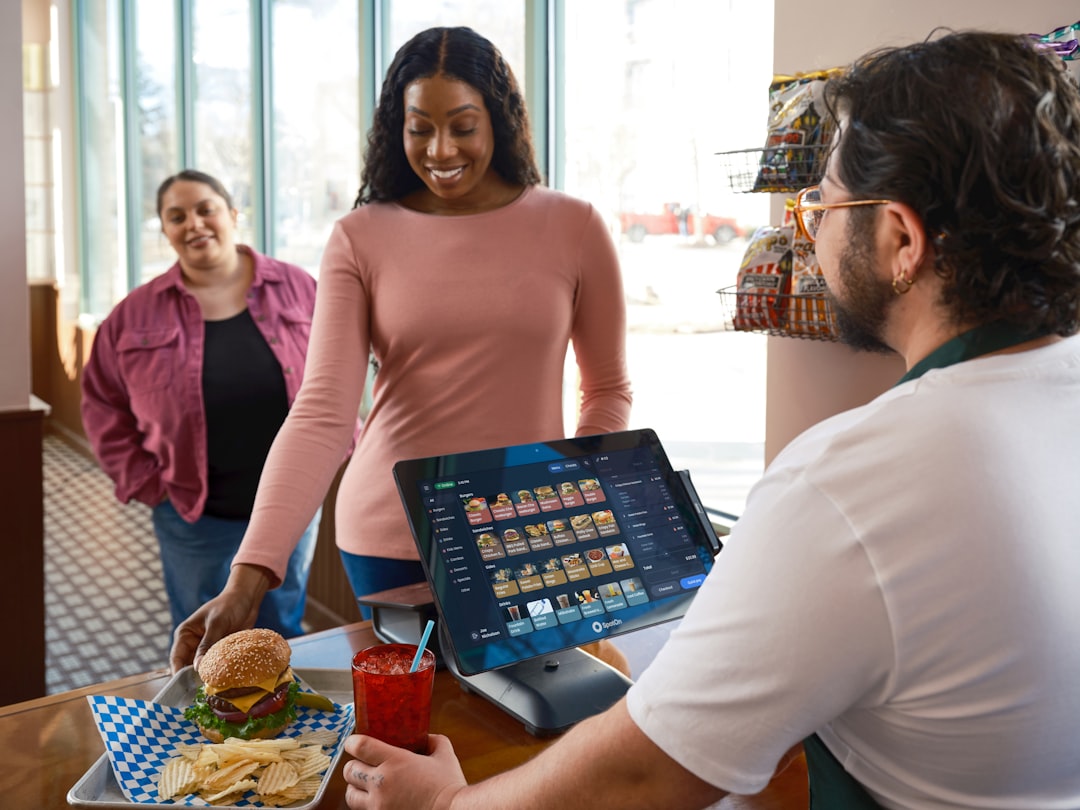
Have you ever used a self-service kiosk? Or ordered from a chatbot? That is AI in action.
AI-powered ordering systems can:
- Recommend add-ons like fries or dessert
- Remember past orders
- Understand voice commands
- Handle multiple languages
This means shorter lines. Fewer mistakes. Happier customers.
Drive-thru lanes are also getting smarter. AI can recognize a returning car. It may suggest the same meal as last time. Quick. Easy. Personal.
Better Customer Experience
Restaurants live and die by customer reviews. One bad night can hurt. AI helps prevent that.
AI tools collect feedback from:
- Online reviews
- Social media comments
- Customer surveys
They scan thousands of comments in seconds. They spot trends. Maybe service is slow on Fridays. Maybe a new dish is a hit. Managers can fix problems fast.
Some restaurants also use AI to personalize marketing. Customers receive special offers based on what they like. Love pizza? You might get a two-for-one deal. Prefer salads? Enjoy a healthy combo discount.
This feels personal. Because it is.
Inventory and Waste Reduction
Food waste is a big problem. It costs money. It hurts the planet.
AI helps restaurants:
- Track ingredient usage
- Predict demand
- Order the right amount of supplies
For example, if rainy weather usually means fewer customers, AI will notice. It will suggest buying less fresh produce for that day. Simple. Smart.
Some systems even use cameras to track food waste. They identify what gets thrown away most often. Then managers adjust portion sizes or recipes.
Less waste. More savings. Better sustainability.
Image not found in postmetaPredicting Busy Times
Every restaurant has rush hours. Friday nights. Sunday brunch. But patterns are not always obvious.
AI looks at:
- Past sales data
- Weather forecasts
- Local events
- Holidays
It predicts when the restaurant will be packed. Managers can schedule more staff. They can prep extra ingredients. They can avoid chaos.
This also helps employees. Shifts become more balanced. Fewer surprise rushes. Less stress.
Robots in the Kitchen
Yes, robots are cooking. Not everywhere. But it is growing.
Some restaurants use robotic arms to:
- Flip burgers
- Fry potatoes
- Prepare coffee
- Assemble bowls
Robots do repetitive tasks very well. They do not get tired. They are consistent.
This does not mean humans disappear. Instead, staff focus on creative work and customer interaction. The robot handles the routine. The chef adds the magic.
Faster Deliveries
Online food delivery is huge. Speed matters.
AI improves delivery by:
- Optimizing routes
- Grouping orders efficiently
- Predicting delivery times accurately
Customers get realistic time estimates. Drivers avoid traffic. Food arrives hot.
Some companies even test delivery robots and drones. That may sound futuristic. But it is already happening in some cities.

Dynamic Pricing and Smart Menus
AI can adjust prices based on demand. This is called dynamic pricing.
For example:
- Offer discounts during slow hours
- Promote surplus ingredients before they expire
- Highlight high-profit dishes
Digital menus make this easy. They can change in seconds.
AI can also design better menus. It studies which items sell together. It suggests layouts that grab attention. It even analyzes colors and descriptions.
Words matter. Placement matters. AI knows this.
Staff Training and Support
Training new employees takes time. AI can help here too.
Smart training platforms:
- Offer interactive lessons
- Track learning progress
- Provide instant feedback
New staff can learn recipes, safety rules, and service standards through apps. They practice at their own pace.
AI-powered assistants can also answer staff questions. Need to know today’s special? Ask the system. Forgot a recipe step? Check the tablet.
This boosts confidence. And performance.
Enhanced Table Service
Fine dining restaurants also benefit from AI.
Reservation systems use AI to:
- Predict no-shows
- Optimize table seating
- Manage waitlists
This means fewer empty tables. Less waiting. Better flow.
Some restaurants use tablets to track guest preferences. If a guest is allergic to nuts, the system remembers. If they love a certain wine, it suggests it again next time.
It feels thoughtful. Because it is powered by data.
Energy Efficiency
Restaurants use a lot of energy. Ovens. Fridges. Lights. Dishwashers.
AI systems monitor energy use in real time. They spot unusual spikes. They adjust heating or cooling automatically.
This reduces bills. It also reduces environmental impact.
Smart kitchens are not just futuristic. They are efficient.
Challenges to Consider
AI is powerful. But it is not perfect.
Restaurants must think about:
- Data privacy
- Cybersecurity
- Initial setup costs
- Staff training
There is also the human touch. Hospitality is about warmth. Smiles. Conversation.
AI should support staff. Not replace genuine service.
The Future of AI in Restaurants
The future looks exciting.
We may see:
- Fully automated ghost kitchens
- Voice-controlled dining experiences
- Hyper-personalized menus
- Real-time nutrition tracking
Imagine walking into a restaurant. The system knows your favorite table. It suggests a new dish based on your diet. Your food arrives exactly how you like it.
All powered by data. And served with a smile.
Why It Matters
At its core, AI is about solving problems.
Restaurants face many challenges:
- Thin profit margins
- High staff turnover
- Food waste
- Rising customer expectations
AI offers smart solutions. It saves time. Cuts costs. Improves accuracy.
Most importantly, it frees people to focus on what matters. Great food. Great service. Great experiences.
Final Thoughts
AI is not science fiction. It is already here. It works behind the counter. In the kitchen. On your phone.
It recommends your favorite meal. It speeds up your order. It reduces waste. It helps restaurants grow.
And the best part? When done right, you barely notice it.
You just enjoy your meal. Faster service. Better flavors. Smoother visits.
That is the real magic of AI in restaurants. Quiet technology. Delicious results.
