

In an era where wellness technology is reshaping personal health habits, sleep tracking apps have become essential tools for understanding nightly rest. While Sleep Cycle remains one of the most recognized names in the market, many other apps offer equally powerful — and sometimes more specialized — features for monitoring sleep patterns. From smart alarms to advanced analytics and wearable integrations, today’s options cater to a wide range of preferences and sleep goals.
TLDR: Several high-quality sleep tracking apps offer features comparable to Sleep Cycle, including detailed sleep analysis, smart alarms, snore detection, and wearable integration. Apps like Pillow, SleepScore, AutoSleep, Sleep Monitor, ShutEye, and BetterSleep provide unique advantages depending on user needs. Whether someone wants in-depth sleep stage data or relaxing soundscapes to improve bedtime routines, there are excellent alternatives available. Choosing the right app depends on device compatibility, desired insights, and budget.
Below are six sleep tracking apps that stand out for their reliability, features, and overall user experience.
1. Pillow
Table of Contents
Pillow is a powerful sleep tracking app designed specifically for Apple users. It integrates seamlessly with Apple Watch and Apple Health, providing detailed insights into sleep duration, sleep stages, heart rate, and more.
Key Features:
- Automatic sleep detection
- Detailed sleep stage analysis (REM, deep, light)
- Audio recordings of snoring or sleep talking
- Smart alarm within optimal wake-up window
- Heart rate analysis during sleep
One of Pillow’s strongest assets is its visually appealing and easy-to-understand reports. Users can identify patterns over time, such as how diet, exercise, or stress influence sleep quality. The app also provides personalized sleep tips based on tracked data.
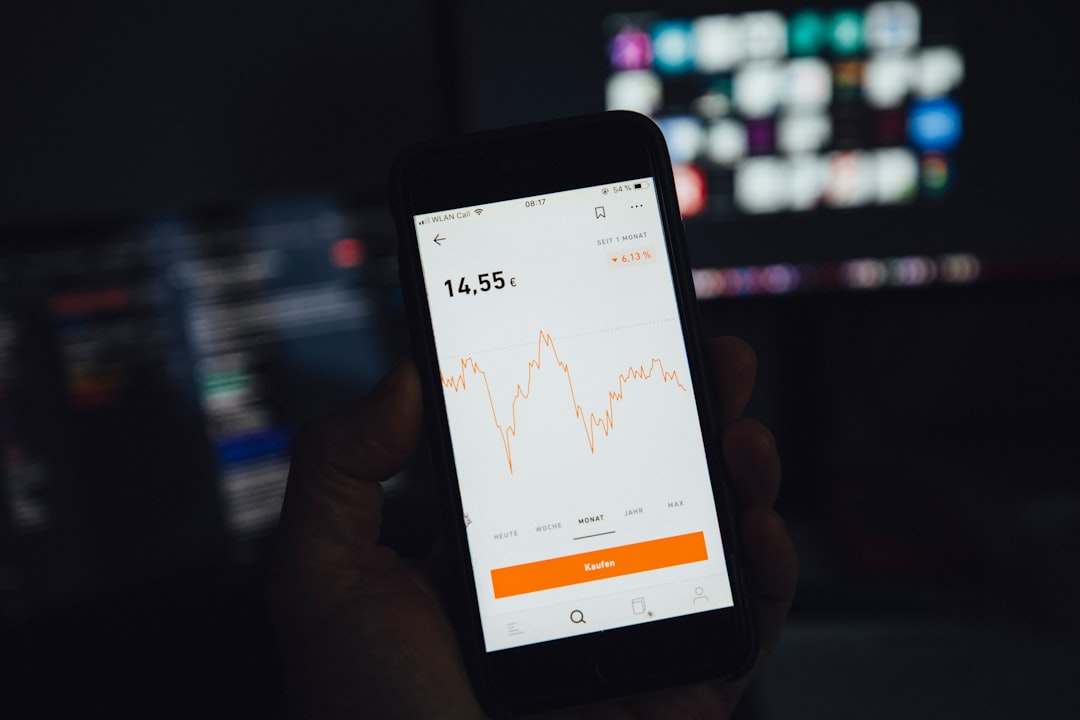
Pillow is ideal for individuals already immersed in the Apple ecosystem who want advanced tracking without needing additional hardware beyond an Apple Watch.
2. SleepScore
Unlike many apps that rely primarily on movement detection, SleepScore uses sonar-based technology to measure breathing and body movement from a bedside smartphone. This provides surprisingly accurate sleep stage tracking without requiring users to wear a device.
Key Features:
- Non-contact sleep analysis
- Daily sleep score and improvement feedback
- Environmental tracking (light and sound levels)
- Science-backed recommendations
- Long-term sleep performance trends
SleepScore focuses strongly on sleep improvement. Instead of just offering data, it provides actionable suggestions tailored to the user’s specific sleep patterns. For example, it may recommend adjusting bedtime or modifying bedroom lighting based on collected metrics.
This app works well for users who prefer not to wear a smartwatch or fitness band while sleeping.
3. AutoSleep
AutoSleep is another Apple Watch-exclusive app that emphasizes comprehensive health integration. It automatically tracks sleep without requiring users to press any buttons.
Key Features:
- Automatic sleep and nap tracking
- Readiness score for daily performance
- Sleep consistency tracking
- Heart rate variability monitoring
- Detailed, customizable sleep charts
What distinguishes AutoSleep from competitors is its depth of data. The app presents metrics such as sleep debt and recovery levels, making it popular among athletes and health-conscious users. Though its dashboard can feel overwhelming at first, it allows for deep customization and long-term trend evaluation.
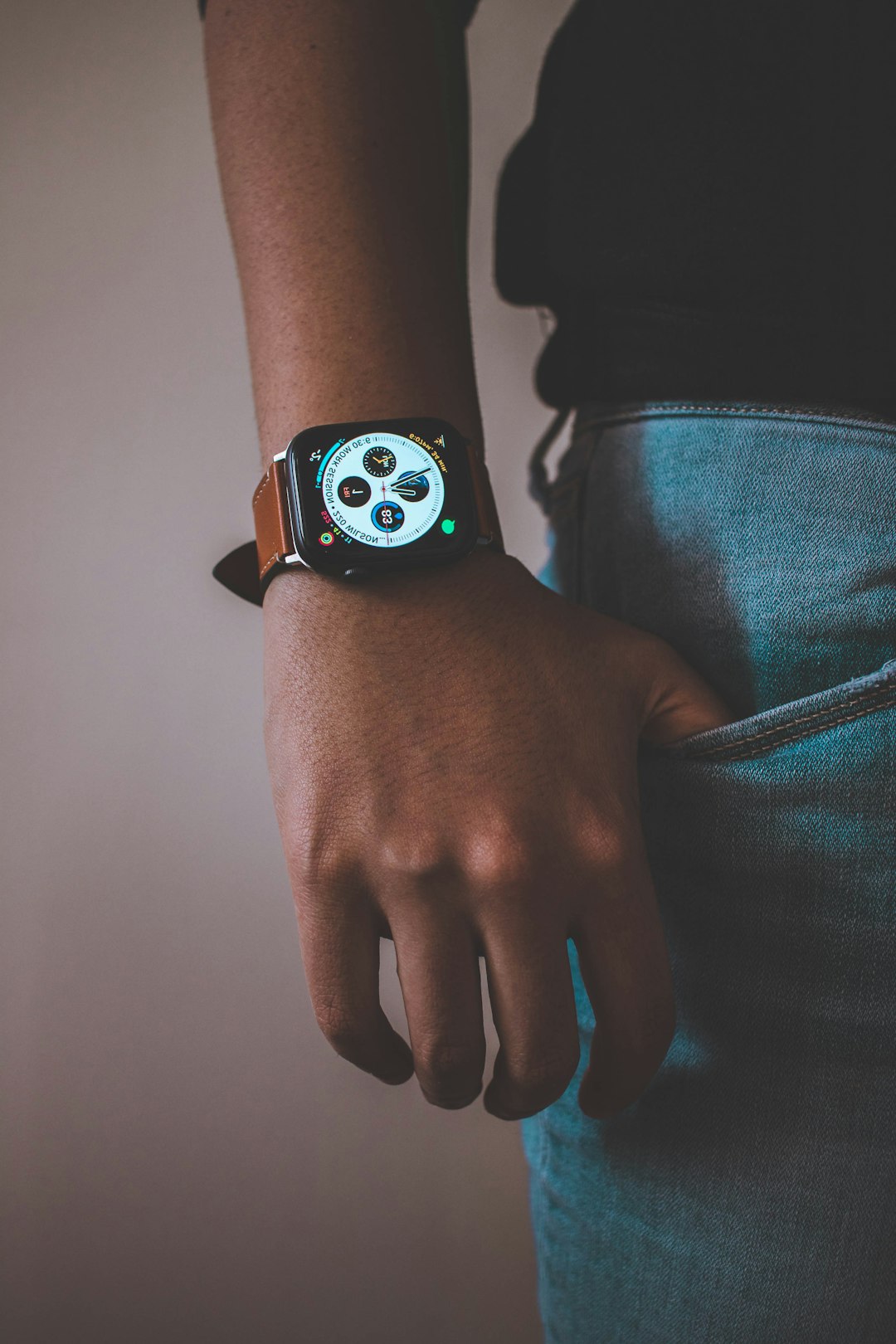
For users who crave extensive data beyond basic sleep duration, AutoSleep offers one of the most robust experiences available.
4. Sleep Monitor
Sleep Monitor is a cross-platform sleep tracking app available for both Android and iOS devices. It combines sleep cycle tracking with sound recording and relaxation tools.
Key Features:
- Sleep cycle analysis via motion detection
- Snore and sleep talk recording
- Smart alarm clock
- Relaxing bedtime sounds
- Customizable sleep notes
Its interface is intuitive and beginner friendly, making it an excellent choice for individuals new to sleep tracking. The ability to log lifestyle habits — such as caffeine intake, stress levels, or exercise — helps users correlate daily activities with nighttime performance.
Sleep Monitor provides a balanced mix of data and relaxation tools without requiring additional devices.
5. ShutEye
ShutEye focuses heavily on sleep improvement through habit-building and soothing audio content. While it does offer tracking capabilities, it emphasizes relaxation features to help users fall asleep faster.
Key Features:
- Sleep cycle tracking
- Smart alarm and sleep scoring
- Large library of sleep sounds and white noise
- Bedtime stories and guided meditations
- Snore detection and recording
This app is particularly useful for individuals dealing with insomnia, anxiety at bedtime, or irregular sleep routines. The extensive catalog of calming audio makes it more than a data tracker — it becomes part of a nightly wind-down ritual.
ShutEye appeals to users who value emotional relaxation just as much as data-driven insights.
6. BetterSleep
Formerly known as Relax Melodies, BetterSleep blends sleep tracking with an expansive relaxation library. It is one of the most popular sleep apps globally due to its diverse features and content quality.
Key Features:
- Sleep tracking and monitoring
- High-quality sleep sounds and sound mixing
- Guided sleep meditations
- Sleep stories and breathing exercises
- Personalized sleep recommendations
BetterSleep stands out for its audio customization. Users can mix rain, ocean waves, white noise, and instrumental sounds to create a personalized sleep soundtrack. While its tracking capabilities may not be as detailed as AutoSleep, it excels in helping users establish consistent bedtime routines.
What to Consider When Choosing a Sleep Tracking App
Before selecting an alternative to Sleep Cycle, users should evaluate their personal goals and technical preferences. Not every app is built the same, and the “best” option depends heavily on individual needs.
Important factors include:
- Device Compatibility: Some apps require Apple Watch or integrate best with specific wearables.
- Data Depth: Athletes may prefer heart rate variability tracking, while casual users may only need sleep duration.
- Budget: Many apps offer free versions but reserve advanced features for premium subscriptions.
- Comfort: Users who dislike wearing devices at night may benefit from non-contact tracking options.
- Extra Features: Relaxation audio, meditation content, and smart alarms can enhance overall value.
Ultimately, the most effective sleep tracking app is the one that users consistently engage with. Consistency provides the long-term data needed to uncover meaningful patterns.
How Sleep Tracking Technology Works
Most sleep tracking apps rely on a combination of motion detection, sound recording, heart rate monitoring, and breathing pattern analysis. Smartphones often use built-in accelerometers and microphones, while wearable devices gather biometric data such as heart rate variability and blood oxygen levels.
Although consumer apps are not medical-grade diagnostic tools, they provide valuable insights into general sleep trends. Over time, these insights can encourage healthier bedtime routines and improved sleep hygiene.
By comparing multiple nights of data, users can pinpoint issues like frequent awakenings, inconsistent bedtimes, or insufficient deep sleep stages.
Frequently Asked Questions (FAQ)
1. Are sleep tracking apps accurate?
Sleep tracking apps are generally accurate for estimating sleep duration and identifying trends. However, they are not as precise as clinical sleep studies and should not replace professional medical evaluation.
2. Do sleep tracking apps require a wearable device?
Not always. Some apps use smartphone sensors placed on a mattress or bedside table, while others provide enhanced accuracy through smartwatches or fitness trackers.
3. Can sleep tracking apps help improve sleep quality?
Yes. Many apps offer smart alarms, bedtime reminders, environmental suggestions, and relaxation audio that can contribute to better sleep habits.
4. Is it safe to keep a phone near the bed while sleeping?
Modern smartphones emit low levels of radiation within regulatory safety limits. Users concerned about exposure can enable airplane mode while still using sleep tracking features that rely on motion detection.
5. Which app is best for Apple Watch users?
Pillow and AutoSleep are particularly popular among Apple Watch users due to seamless integration and detailed health data insights.
6. Are free sleep apps worth using?
Many free versions provide basic tracking and limited features. Premium subscriptions typically unlock deeper analytics, longer data history, and advanced sound libraries.
Sleep tracking has evolved from a niche fitness feature to a mainstream wellness essential. Whether someone seeks advanced biometric analysis, simple sleep logs, or relaxing soundscapes, there are numerous high-quality alternatives to Sleep Cycle available today. By choosing an app that aligns with personal goals and maintaining consistent use, individuals can gain powerful insights into their sleep — and ultimately, their overall well-being.
