

Utilities today face growing pressure to deliver seamless digital experiences while maintaining strict regulatory compliance and financial accuracy. From water and electricity providers to waste management and municipal services, organizations are expected to process thousands—sometimes millions—of transactions securely and efficiently. Utility billing systems like InvoiceCloud have emerged as powerful platforms that automate payment processing, streamline customer management, and improve operational performance in measurable ways.
TLDR: Utility billing systems such as InvoiceCloud help automate payments, reduce manual processes, and enhance customer engagement. They provide secure digital payment options, real-time account management, and integration with existing infrastructure. These platforms improve cash flow, lower operational costs, and increase customer satisfaction. For utilities navigating digital transformation, modern billing systems are no longer optional—they are essential.
The Growing Complexity of Utility Billing
Table of Contents
Utility billing is inherently complex. Providers must calculate consumption, apply tiered pricing structures, manage late fees, support payment plans, handle service interruptions, and comply with regulatory standards. In addition, customers expect:
- Online payment portals available 24/7
- Flexible payment methods including credit cards, ACH, digital wallets, and auto-pay
- Real-time account updates
- Mobile access to billing information
- Easy dispute resolution and customer service support
Traditional billing systems, often reliant on manual processing or outdated software, struggle to meet these expectations. Errors, delayed postings, and limited integration capabilities can lead to billing disputes and customer dissatisfaction.
This is where automated utility billing platforms differentiate themselves.
What Is a Utility Billing System Like InvoiceCloud?
A utility billing system such as InvoiceCloud is a cloud-based payment and customer engagement platform designed specifically for utilities, municipalities, and other recurring billers. It integrates with existing billing software and enhances it with modern payment features and automation.
Rather than replacing the core system of record, platforms like InvoiceCloud typically act as an advanced front-end payment layer that offers:
- Automated payment processing
- Recurring billing setup
- Electronic billing and notifications
- Real-time payment posting
- Advanced reporting and analytics
- Customer self-service tools
The result is a streamlined ecosystem where both the utility provider and the customer benefit from greater transparency and efficiency.
Key Benefits of Automated Utility Billing Systems
1. Automated Payment Processing
One of the most significant operational improvements is the automation of payments. Manual payment processing requires staff time, physical deposit handling, reconciliation tasks, and error correction.
Automated systems enable:
- Recurring auto-pay enrollment, reducing late payments
- Scheduled future payments
- Immediate posting of transactions
- Automated reminders and confirmations
This reduces administrative overhead and allows finance teams to focus on strategic tasks rather than transaction management.
2. Improved Cash Flow and Reduced Delinquencies
Utilities rely on consistent revenue streams to maintain infrastructure and operations. Delayed payments directly impact budgeting and capital planning.
Automated billing systems support improved cash flow through:
- Proactive notification systems
- Digital convenience that encourages on-time payment
- Self-service payment plans
- Auto-pay enrollment campaigns
Research consistently shows that customers enrolled in automatic payments are significantly less likely to miss due dates.
3. Enhanced Customer Experience
Customers expect convenience and transparency. Modern billing platforms offer:
- Secure online portals
- Mobile-friendly interfaces
- Text and email bill reminders
- Paperless billing options
- Account history visibility
A well-designed user interface reduces inbound service calls, shortens wait times, and improves overall satisfaction levels.
4. Integration with Existing Systems
Many utilities operate on legacy enterprise resource planning (ERP) or billing platforms. Replacing these systems can be costly and disruptive.
Platforms like InvoiceCloud are designed to integrate seamlessly with existing billing engines, allowing utilities to modernize their services without overhauling their infrastructure.

This integration typically includes:
- Automated data synchronization
- Secure API connectivity
- Bi-directional transaction posting
- Compliance-ready reporting
5. Data Security and Compliance
Handling financial transactions requires strict adherence to data security standards. Reputable utility billing platforms offer:
- PCI DSS compliance
- Data encryption at rest and in transit
- Role-based access controls
- Fraud monitoring tools
Security is not just a technical issue—it is central to maintaining public trust.
Comparison of Leading Utility Billing Platforms
While InvoiceCloud is a well-known solution, several other platforms provide similar capabilities. Below is a simplified comparison chart outlining key features.
| Platform | Cloud Based | Auto Pay | Mobile Friendly | Integration Capability | Primary Market |
|---|---|---|---|---|---|
| InvoiceCloud | Yes | Yes | Yes | High | Utilities and municipalities |
| Paymentus | Yes | Yes | Yes | High | Utilities and telecom |
| Fathom CIS | Yes | Yes | Yes | Moderate to High | Water utilities |
| CSG Forte | Yes | Yes | Yes | High | Government and utilities |
Each provider offers varying customization levels, pricing models, and integration tools. The appropriate choice depends on utility size, regulatory requirements, and budget considerations.
Operational Efficiency and Cost Reduction
Beyond customer convenience, automation significantly lowers operational costs. Utilities that transition from manual to digital billing often see reductions in:
- Paper and postage expenses
- Call center workloads
- Lockbox service fees
- Returned check processing costs
- Manual reconciliation labor
Digital billing campaigns can accelerate paperless enrollment rates, creating long-term savings.
Additionally, advanced analytics allow managers to identify trends in late payments, seasonal billing spikes, and service usage patterns.
Customer Self-Service and Engagement
Self-service functionality is a defining feature of platforms like InvoiceCloud. When customers can manage their accounts independently, organizations experience measurable improvements in efficiency.
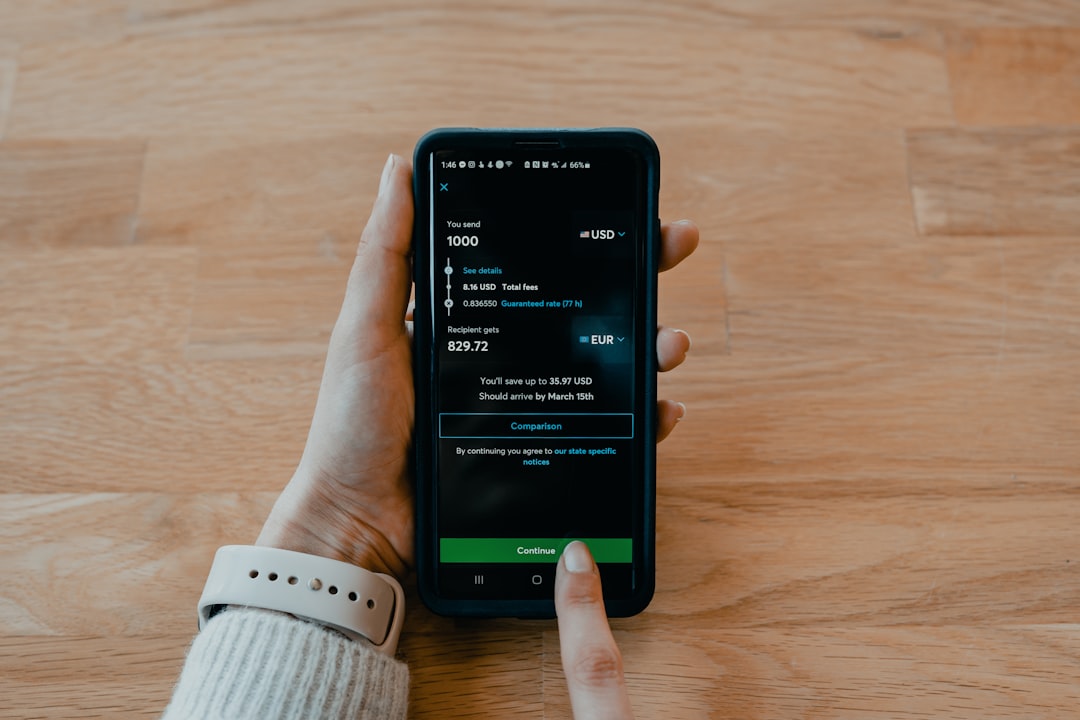
Self-service tools may include:
- Payment history downloads
- Balance tracking
- Usage monitoring
- Payment method updates
- Real-time notifications
These features foster transparency and trust. Customers appreciate control over their accounts, and utilities benefit from fewer service inquiries.
Regulatory and Audit Support
Utilities operate under strict regulatory oversight. Automated billing platforms support compliance through:
- Detailed transaction logs
- Automated reporting tools
- Audit-ready documentation
- Data retention management
During audits or public information requests, having structured and searchable digital records reduces administrative burden significantly.
Scalability for Growing Communities
As municipalities expand and service areas grow, billing systems must scale accordingly. Cloud-based platforms offer elastic infrastructure capable of managing increased transaction volumes without degrading performance.
This scalability ensures that:
- System uptime remains consistent
- Peak billing cycles are handled efficiently
- Future integrations can be deployed smoothly
For rapidly growing regions, scalability is not a luxury—it is a necessity.
Implementation Considerations
Adopting a new billing automation system requires careful planning. Decision-makers should evaluate:
- Integration compatibility with current billing engines
- Security certifications and compliance readiness
- Customer adoption strategies
- Total cost of ownership
- Vendor support and training
Successful implementation often includes phased rollouts, customer education campaigns, and performance monitoring benchmarks.
The Strategic Importance of Modern Billing Systems
Utility billing is no longer a back-office administrative function. It plays a strategic role in financial management, customer satisfaction, and operational stability.
Platforms like InvoiceCloud shift billing from reactive processing to proactive service delivery. Automation increases efficiency. Digital engagement builds trust. Secure infrastructure protects both the provider and its customers.
In an era defined by digital expectations and accountability, adopting a modern utility billing system represents more than a technical upgrade—it is a foundational move toward long-term sustainability and resilience.
For utilities seeking improved cash flow, operational efficiency, and customer satisfaction, automated billing systems have become an indispensable component of modern infrastructure.
