


Digital marketing has evolved from a creative experiment into a data-driven discipline where success depends on precision, timing, and measurable outcomes. Modern campaigns are no longer built on guesswork alone. They rely on powerful digital marketing tools that help businesses understand their audiences, personalize messaging, automate execution, and optimize performance in real time. Choosing the right tools can mean the difference between traffic that bounces and traffic that converts.
TLDR: Building campaigns that actually convert requires more than creativity—it demands the right combination of data, automation, testing, and personalization tools. Platforms for analytics, email marketing, landing pages, CRM, and paid media optimization enable marketers to track behavior and respond strategically. When integrated correctly, these tools reduce guesswork and improve ROI. The key is selecting solutions that align with your goals and using them consistently.
Below is a breakdown of the most impactful categories of digital marketing tools and how each contributes to conversion-focused campaigns.
1. Analytics and Data Intelligence Tools
Table of Contents
Every high-performing campaign begins with reliable data. Without clear visibility into how users behave, marketers are operating in the dark. Analytics tools track user journeys, acquisition sources, engagement rates, and conversion events.
Why they matter:
- Identify which channels drive the highest-quality traffic
- Understand drop-off points in funnels
- Measure campaign ROI with precision
- Enable data-backed budget allocation
Modern analytics platforms provide:
- Real-time dashboards
- Event tracking
- Attribution modeling
- Audience segmentation
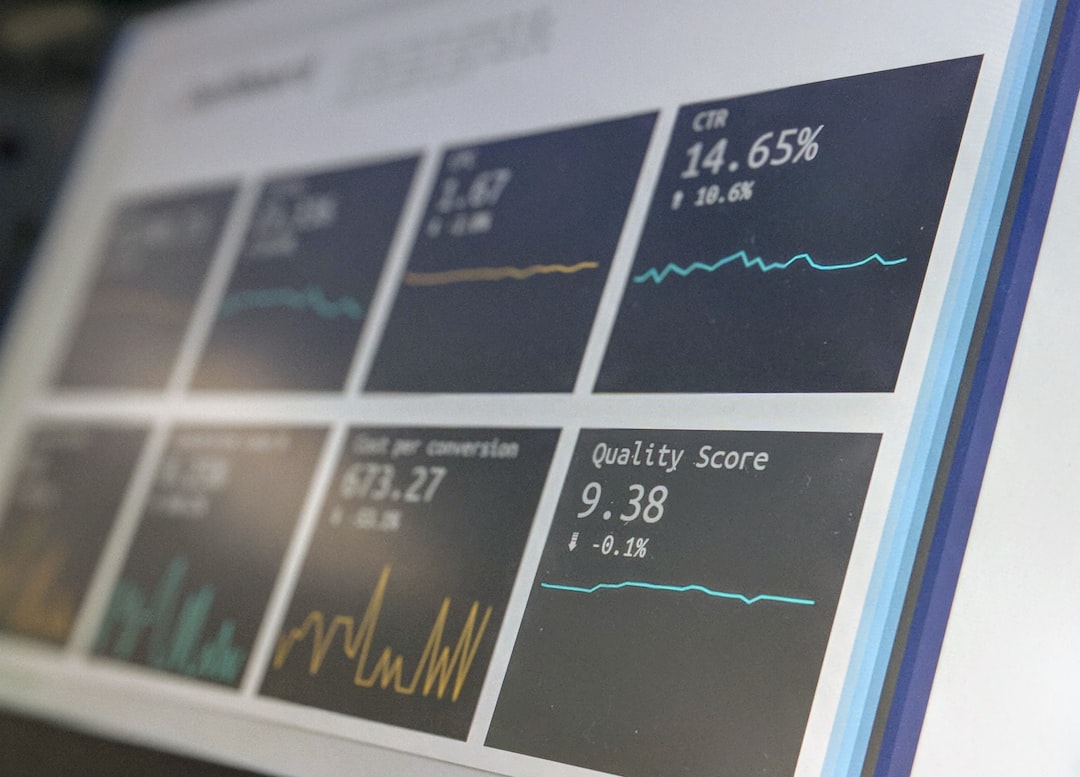
When analytics tools are properly configured, they reveal not just what is happening, but why. For example, a spike in traffic paired with low conversions might indicate mismatched messaging between ads and landing pages. Data transforms assumptions into evidence-based improvements.
2. Customer Relationship Management (CRM) Platforms
A CRM is the backbone of any conversion-focused marketing strategy. It centralizes customer data, tracks interactions, and enables personalized outreach based on behavior and stage in the buying cycle.
Core benefits include:
- Lead scoring and prioritization
- Automated follow-up sequences
- Sales and marketing alignment
- Lifecycle tracking
When integrated with other marketing systems, a CRM ensures that leads are not lost after the first touchpoint. Campaigns become more relevant because messaging adapts based on previous interactions. This level of personalization significantly improves conversion rates.
3. Email Marketing and Automation Tools
Email remains one of the highest ROI digital marketing channels. However, manual email blasts no longer suffice. Automation platforms allow marketers to create behavior-triggered sequences that deliver the right message at precisely the right time.
High-converting email features include:
- Segmentation by demographics and behavior
- Dynamic content personalization
- A/B subject line testing
- Drip campaigns for nurturing leads
- Cart abandonment reminders
Automation workflows support complex journeys. For example:
- A visitor downloads a guide.
- The system triggers a welcome email.
- After two days, a case study is delivered.
- If the case study is opened, a demo invitation follows.
This systematic approach removes friction and steadily moves prospects toward conversion.
4. Landing Page and Funnel Builders
A paid advertisement is only as strong as the landing page it directs users to. Dedicated landing page tools allow marketers to design focused, conversion-optimized pages without relying heavily on development resources.
Essential features include:
- Drag-and-drop builders
- Pre-tested conversion templates
- Integrated A/B testing
- Built-in analytics
- Form and CRM integrations
Effective landing pages eliminate distractions. Navigation menus are minimized, calls-to-action are prominent, and messaging stays consistent with the traffic source. Small details—such as button color, headline phrasing, or testimonial placement—often lead to measurable increases in conversion rates.
5. Paid Advertising Management Platforms
Running paid campaigns across multiple channels—such as search engines and social media platforms—requires both strategic oversight and constant optimization. Ad management tools centralize performance data and simplify bidding, targeting, and budget allocation.
What these tools help you achieve:
- Keyword and audience targeting refinement
- Automated bid adjustments
- Creative performance comparisons
- Cross-channel reporting
The strength of these platforms lies in continuous optimization. Algorithms analyze patterns and adjust in real time, improving cost-per-acquisition over time. Used effectively, they transform advertising from static placement into an adaptive performance engine.
6. Conversion Rate Optimization (CRO) and A/B Testing Tools
Increasing traffic is expensive. Improving conversion rates is often more cost-effective. CRO tools allow marketers to experiment scientifically with headlines, layouts, calls-to-action, and pricing models.
Key capabilities:
- A/B and multivariate testing
- Heatmaps and scroll tracking
- User session recordings
- On-page surveys

Heatmaps, for example, visually display where users click, pause, or abandon a page. Session recordings reveal behavioral friction that analytics alone cannot explain. These insights enable marketers to remove obstacles and streamline the path to conversion.
7. Social Media Management and Listening Tools
Social platforms influence conversion decisions long before a purchase occurs. Management tools provide scheduling automation, engagement tracking, and performance analytics across multiple networks.
Strategic advantages include:
- Content calendar coordination
- Automated scheduling
- Engagement and sentiment analysis
- Competitor monitoring
Social listening adds another dimension. Monitoring brand mentions and audience sentiment helps marketers adjust messaging quickly. Campaigns become responsive rather than reactive.
Digital Marketing Tools Comparison Chart
| Tool Category | Primary Purpose | Impact on Conversions | Best For |
|---|---|---|---|
| Analytics Platforms | Track user behavior and performance data | Improves decision-making and ROI | All digital campaigns |
| CRM Systems | Manage leads and customer relationships | Enhances personalization and lead nurturing | B2B and high value sales |
| Email Automation | Automate personalized messaging | Boosts repeat engagement and retention | Ecommerce and service businesses |
| Landing Page Builders | Create optimized conversion pages | Increases signup and purchase rates | Paid traffic campaigns |
| Ad Management Tools | Optimize paid advertising | Lowers cost per acquisition | Performance marketers |
| CRO Tools | Test and improve website elements | Maximizes existing traffic value | Growth focused teams |
| Social Management Tools | Schedule and monitor social engagement | Strengthens brand trust and engagement | Multi channel brands |
How to Choose the Right Tool Stack
While each category provides unique benefits, the true power lies in integration. Disconnected tools create fragmented data. Integrated systems create a continuous feedback loop.
Consider the following when building your stack:
- Business Goals: Lead generation, ecommerce sales, subscriptions, or brand awareness.
- Scalability: Can the tool grow with your organization?
- Integration Capabilities: Does it sync with your CRM, analytics, and ad platforms?
- Ease of Use: A powerful tool is ineffective if your team cannot use it efficiently.
- Data Transparency: Clear reporting is essential for optimization.
A focused and well-integrated set of tools often outperforms a large but poorly connected collection of platforms.
Common Pitfalls to Avoid
Even the most advanced digital marketing tools cannot guarantee success without strategic execution.
- Over-automation: Excessive automation without personalization can feel impersonal.
- Ignoring Data: Collecting analytics without analysis leads to stagnation.
- Tool Overload: Too many overlapping platforms create inefficiency.
- Lack of Testing: Assuming what works without experimentation limits growth.
Conversion-focused marketing demands continuous iteration. Insights should translate into immediate adjustments.
Final Thoughts
Digital marketing tools are not shortcuts—they are force multipliers. They sharpen decision-making, enhance personalization, and automate complex workflows. When chosen thoughtfully and implemented strategically, they turn scattered efforts into structured, high-performing campaigns.
Campaigns that convert consistently are built on three pillars: accurate data, strategic automation, and ongoing optimization. Tools make these pillars sustainable. In an increasingly competitive digital landscape, relying on intuition alone is no longer sufficient. The organizations that succeed are those that combine creativity with disciplined technological support, ensuring every campaign is measurable, adaptable, and designed to convert.
