


No‑code platforms have transformed how entrepreneurs build digital products, internal tools, and customer experiences. As the startup ecosystem evolves, many founders—especially those inspired by the rapid growth strategies of Shopify’s early days—are leaning into flexible, scalable no‑code solutions to validate ideas quickly and ship products without heavy engineering overhead. Blaze has emerged as one such platform, but it is far from the only option available.
TLDR: Entrepreneurs looking beyond Blaze have several powerful no‑code alternatives that offer robust flexibility, scalability, and integrations. Platforms like Bubble, Webflow, Adalo, Glide, Softr, and OutSystems provide varying strengths for web apps, mobile apps, internal tools, and enterprise systems. The right choice depends on technical depth, budget, scalability needs, and design priorities. This guide compares six standout alternatives frequently discussed in founder circles inspired by Shopify’s growth mindset.
Below is a closer look at six Blaze no‑code platform alternatives often mentioned by founders and product builders who prioritize speed, customization, and scalability.
1. Bubble
Table of Contents
Best for: Complex web applications and startups seeking deep customization.
Bubble has become one of the most recognized no‑code development platforms in the startup community. It enables entrepreneurs to build fully functional web applications with powerful backend workflows—all without writing traditional code.

Key Features:
- Drag‑and‑drop visual editor
- Built‑in database management
- Extensive plugin marketplace
- API integrations
- Scalability for growing user bases
Shopify founders often emphasize iteration speed. Bubble aligns with this philosophy by allowing quick MVP launches, rapid iteration, and feature testing without a development team. However, while powerful, it can present a learning curve for beginners.
Pros:
- Highly customizable workflows
- Strong community support
- Scalable infrastructure
Cons:
- Performance may require optimization at scale
- UI flexibility requires time to master
2. Webflow
Best for: Design‑focused websites and marketing platforms.
Webflow stands out for its visual precision and design sophistication. While it originated as a web design tool, it now offers CMS functionality and ecommerce capabilities that rival traditional development stacks.

For founders who prioritize strong branding and polished customer experiences—something Shopify merchants deeply value—Webflow provides unmatched design control compared to many no‑code competitors.
Key Features:
- Visual CSS and layout controls
- CMS collections
- Hosting included
- Ecommerce functionality
- Custom animations and interactions
Pros:
- Professional, responsive design capabilities
- Clean code export options
- Strong SEO controls
Cons:
- Less suitable for complex web apps
- Business logic capabilities are limited compared to Bubble
3. Adalo
Best for: Mobile app development without coding.
Adalo allows users to design and launch native mobile applications for iOS and Android. For founders looking to test mobile‑first ideas—or extend desktop services into mobile environments—Adalo provides intuitive tools for rapid rollout.
Key Features:
- Drag‑and‑drop native app builder
- Custom databases
- Component marketplace
- App store publishing support
A major appeal for Shopify‑style entrepreneurs is speed to market. Adalo supports rapid testing of subscription models, marketplaces, and community platforms via mobile apps.
Pros:
- Beginner‑friendly interface
- Fast mobile MVP deployment
- Native app builds
Cons:
- Limited backend depth compared to advanced tools
- May require workarounds for complex logic
4. Glide
Best for: Internal tools and lightweight customer apps.
Glide differentiates itself by transforming spreadsheets into fully functional applications. For founders managing operational dashboards, customer portals, or internal workflows, Glide offers an exceptionally fast setup.
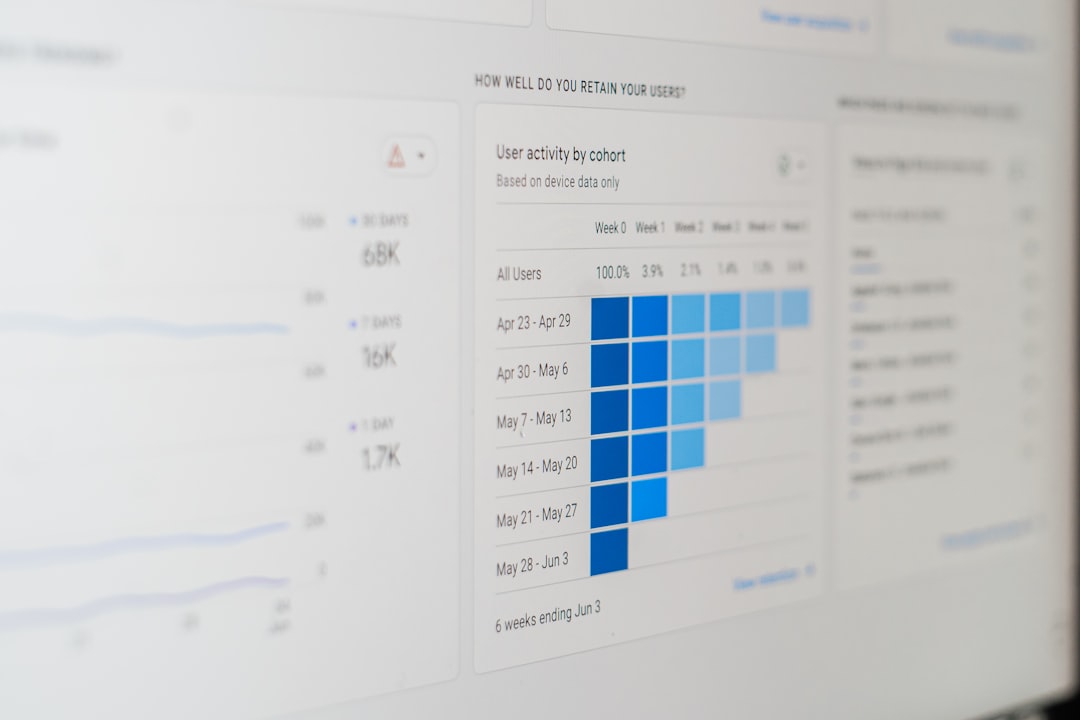
Especially in early startup phases, Glide enables teams to convert structured data into usable tools without engineering overhead.
Key Features:
- Google Sheets and Airtable integrations
- Prebuilt templates
- User authentication
- Real‑time updates
Pros:
- Extremely rapid deployment
- Clean, simple interface
- Strong internal tool functionality
Cons:
- Limited design customization
- Not ideal for highly complex consumer apps
5. Softr
Best for: Membership sites, directories, and client portals.
Softr builds web apps on top of Airtable or Google Sheets data. Its structured layout makes it a popular choice for entrepreneurs creating gated communities, resource directories, and B2B tools.
Key Features:
- Pre‑structured building blocks
- User roles and gated content
- Payment integrations
- CRM integrations
Softr appeals to founders looking to monetize data-driven communities or curated marketplaces quickly—an approach aligned with Shopify’s early ecosystem strategy.
Pros:
- Fast to launch
- Strong membership management
- Clean templates
Cons:
- Dependent on Airtable for advanced functionality
- Limited design freedom compared to Webflow
6. OutSystems
Best for: Enterprise‑grade applications and scalability.
OutSystems operates closer to a low‑code platform but is often mentioned in advanced founder and enterprise discussions. It supports large‑scale applications and integration-heavy projects.
Key Features:
- Enterprise integrations
- AI‑assisted development
- Robust security infrastructure
- Scalable architecture
While OutSystems may exceed the needs of early startups, it offers structured pathways for scaling tech stacks once market validation is complete.
Pros:
- Enterprise readiness
- Advanced security
- Handles complex workflows
Cons:
- Higher pricing tiers
- More complex onboarding process
Comparison Chart
| Platform | Best For | Ease of Use | Scalability | Design Flexibility | Mobile Support |
|---|---|---|---|---|---|
| Bubble | Complex Web Apps | Moderate | High | High | Web Responsive |
| Webflow | Marketing Sites | Moderate | Moderate | Very High | Responsive |
| Adalo | Mobile Apps | High | Moderate | Moderate | Native iOS and Android |
| Glide | Internal Tools | Very High | Moderate | Low to Moderate | Progressive Web Apps |
| Softr | Membership Sites | High | Moderate | Moderate | Responsive |
| OutSystems | Enterprise Apps | Low to Moderate | Very High | High | Full Support |
How Founders Choose the Right Alternative
Shopify’s founding journey demonstrated the importance of adaptability, lean experimentation, and scalable infrastructure. Entrepreneurs evaluating Blaze alternatives often ask:
- Is this for an MVP or a long‑term product?
- How complex are the logic workflows?
- Does design control matter more than backend power?
- Will the platform scale with user growth?
The answer varies based on product goals. Early validation often favors Glide or Softr. Design‑driven launches lean toward Webflow. App‑based models may select Adalo. Advanced SaaS concepts frequently turn to Bubble, while enterprise infrastructure supports OutSystems.
FAQ
1. What is the main advantage of using a no‑code platform like Blaze or its alternatives?
No‑code platforms drastically reduce development time and cost while empowering founders to test, iterate, and launch products without hiring full engineering teams.
2. Which Blaze alternative is best for startups building SaaS products?
Bubble is often considered the strongest alternative for SaaS startups due to its robust workflow engine and scalability capabilities.
3. Can no‑code platforms handle large user bases?
Yes, some platforms like Bubble and OutSystems are designed to scale, though optimization and potential infrastructure adjustments may be required as usage grows.
4. Are no‑code apps secure?
Most leading no‑code platforms implement strong security protocols. Enterprise‑focused platforms such as OutSystems prioritize advanced compliance and security measures.
5. What if a founder outgrows a no‑code solution?
Many platforms allow API integrations and hybrid models, enabling teams to transition gradually toward custom development if needed.
6. Is Webflow suitable for web applications?
Webflow excels in design and CMS-driven sites but may not be ideal for highly complex, logic-heavy applications requiring backend depth.
7. How does pricing compare among these alternatives?
Pricing varies significantly based on usage, features, and scale. Glide and Softr often offer affordable entry tiers, while Bubble and OutSystems can become more expensive as complexity increases.
In today’s competitive startup environment, founders don’t simply need tools—they need flexible launchpads. These six Blaze alternatives offer diverse pathways to experimentation, growth, and scale, empowering entrepreneurs to build without traditional barriers.
