

A forensic analyst plays a critical role in the criminal justice system, using science and technology to uncover the truth behind crimes. Their expertise helps law enforcement agencies solve cases, bring criminals to justice, and exonerate the innocent. With a unique blend of investigative skill and scientific knowledge, forensic analysts serve as the bridge between crime scenes and courtrooms.
TL;DR: Forensic analysts collect, examine, and interpret various types of physical evidence from crime scenes. They often specialize in fields like DNA analysis, toxicology, or digital forensics. Their work includes lab testing, writing reports, and testifying in court. It’s a detail-oriented job that requires both scientific expertise and investigative intuition.
What Exactly Does a Forensic Analyst Do?
Table of Contents
A forensic analyst is responsible for analyzing evidence collected from crime scenes, suspicious deaths, or criminal investigations. Their goal is to identify and interpret physical clues to either support or refute theories of how a crime occurred. Although “forensic analyst” is an umbrella term, the specific duties can vary depending on their area of expertise.
Main Responsibilities
- Evidence Collection: A forensic analyst may be involved in gathering physical evidence from the scene. This can include blood, hair, fibers, fingerprints, and electronics.
- Laboratory Analysis: Analysts perform tests on collected evidence using specialized equipment and scientific methods. These tests may involve DNA sequencing, chemical analysis, toxicology screening, or computer data recovery.
- Documentation: Meticulous record-keeping is essential. Every step of the analysis is documented for transparency and chain-of-custody purposes.
- Report Writing: Analysts prepare detailed reports summarizing methods, findings, and interpretations. These reports help investigators and prosecutors understand the implications of the evidence.
- Courtroom Testimony: Forensic analysts may be called to court as expert witnesses to explain their findings in a manner that judges and juries can understand.
Types of Forensic Analysts
The field of forensic science is huge, which means analysts can work in a variety of specialties. Here are some of the most common:
- DNA Analysts: Focus on biological samples such as blood, saliva, and hair to identify individuals through genetic material.
- Digital Forensic Analysts: Recover and examine data from computers, mobile phones, and other digital devices to find evidence of cybercrime or digital footprints.
- Ballistics Experts: Analyze firearms, bullets, and gunshot residue to determine weapon types and shooting trajectories.
- Forensic Toxicologists: Test for drugs, alcohol, poisons, and other chemical substances in bodily fluids and tissues.
- Trace Evidence Analysts: Examine minute traces left at crime scenes, such as soil, glass, paint, and fibers.
Tools and Techniques
Forensic analysts rely heavily on technology and scientific methods to do their jobs effectively. Some of the tools and techniques commonly used include:
- Chromatography: Used to separate chemical substances in a mixture.
- Spectroscopy: Helps identify materials based on how they interact with light or radiation.
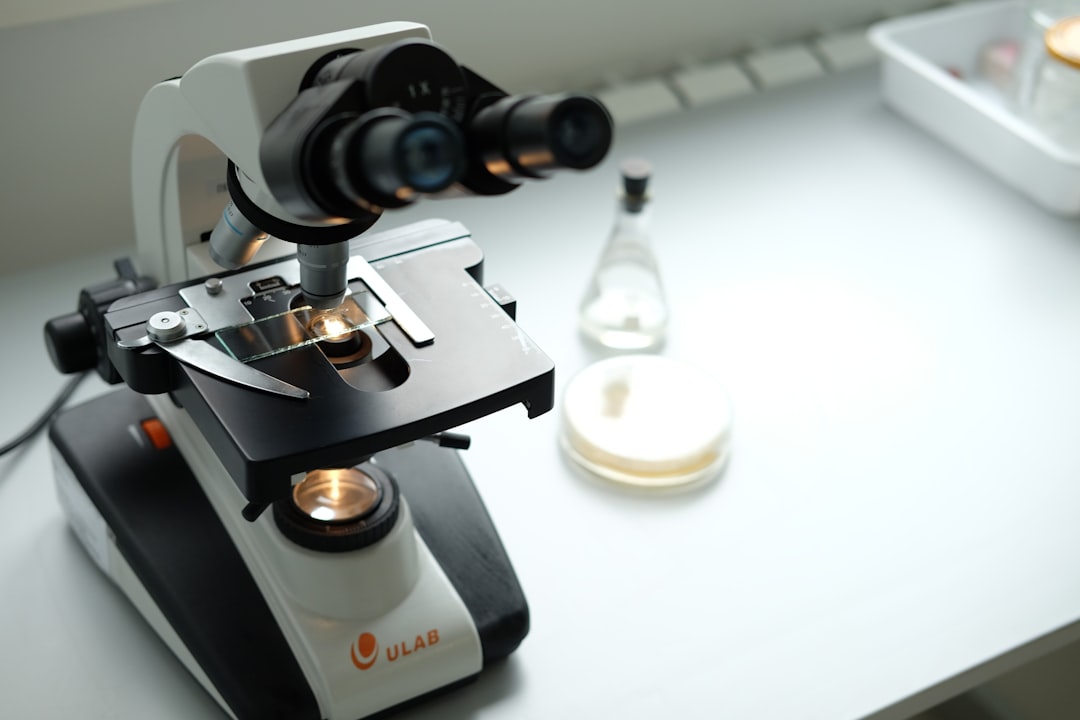
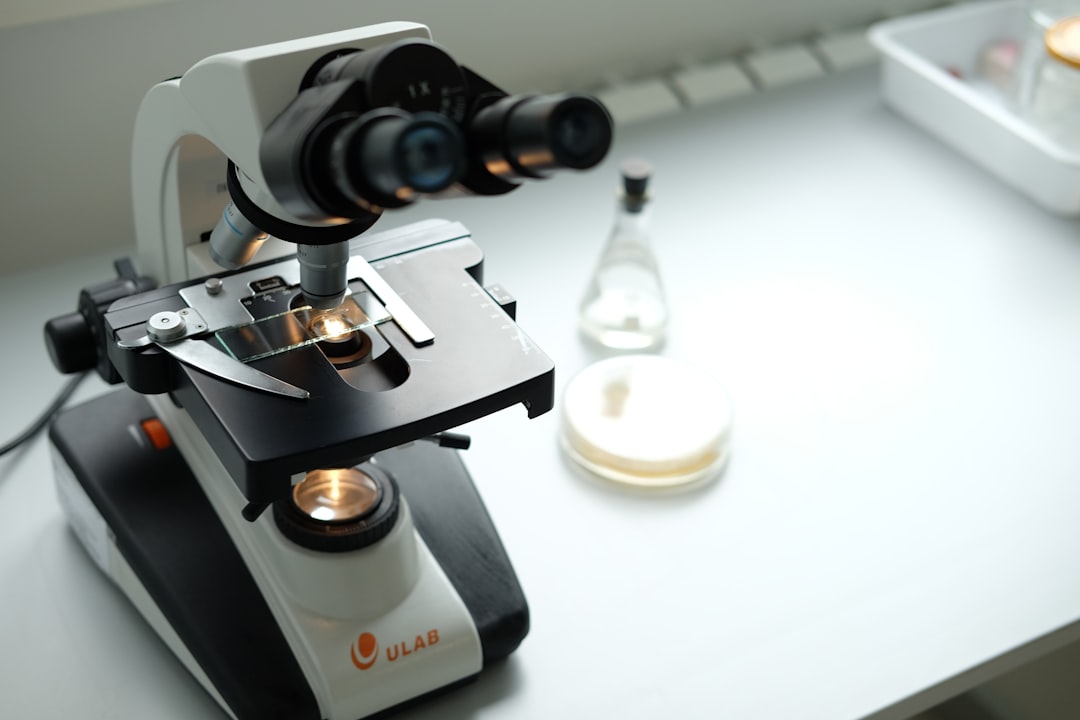
- Microscopy: High-powered microscopes allow for detailed analysis of tiny samples, such as fibers or cells.
- Database Matching: Fingerprint, DNA, and ballistic information are matched against large databases like CODIS (Combined DNA Index System) or AFIS (Automated Fingerprint Identification System).
- Software Tools: Digital forensic analysts use forensic software to trace deleted files, analyze online activity, and decrypt data.
Work Environment
Contrary to what popular crime shows suggest, forensic analysts don’t spend all their time at active crime scenes. While fieldwork is sometimes necessary, most of the work takes place in tightly controlled labs. These labs are designed to maintain the integrity of evidence and limit contamination.
Forensic analysts typically work for local, state, or federal law enforcement agencies. Some are also employed by private forensic labs or consulted as expert witnesses for defense attorneys. The job may require irregular hours, especially when urgent cases arise.
Skills Required to Become a Forensic Analyst
Success as a forensic analyst depends not only on scientific skill but also on a number of soft and hard skills. These include:
- Attention to Detail: Every fragment of evidence could be crucial. Small mistakes can lead to incorrect conclusions.
- Critical Thinking: Analysts must apply logical thinking when interpreting complex information from multiple sources.
- Communication Skills: Being able to articulate findings clearly, especially in court, is a must.
- Objectivity: Analysts must remain neutral and not allow personal biases to affect their work.
- Technical Proficiency: Comfort with new lab equipment, data analysis tools, and evolving scientific techniques is essential.
How to Become a Forensic Analyst
The path to becoming a forensic analyst usually starts with a strong foundation in science. Here’s a general step-by-step guide:
- Earn a Relevant Degree: A bachelor’s degree in forensic science, biology, chemistry, or a related field is typically required.
- Gain Lab Experience: Internships or lab technician roles can offer hands-on experience.
- Specialize: Consider focusing on a specific area like toxicology or digital forensics with further study or certifications.
- Apply for Jobs: Many forensic analysts begin working for government labs or law enforcement agencies.
- Continue Education: Advanced positions may require a master’s or Ph.D., depending on the complexity of the work.
Challenges Faced by Forensic Analysts
While the job is rewarding, it does not come without challenges:
- Stressful Workload: Cases can be high-pressure, especially when analyzing evidence for violent crimes.
- Emotional Toll: Constant exposure to graphic details, disturbing images, and tragic stories can be mentally draining.
- Courtroom Pressure: Presenting evidence under cross-examination requires excellent poise and confidence.
- Contamination Risk: A single misstep in handling evidence can render it inadmissible in court, costing the case.
Final Thoughts
Forensic analysts serve as unsung heroes of the criminal justice system. Their ability to sift through the smallest bits of evidence and derive meaning can make the difference between a conviction and an acquittal. Whether it’s lifting a fingerprint from a broken window or tracing a suspicious digital transaction, their expertise plays a pivotal role in modern investigations. With science as their primary tool, forensic analysts bring clarity to chaos and help ensure that justice is served.
Frequently Asked Questions
- Is being a forensic analyst the same as being a crime scene investigator (CSI)?
- No. While their work overlaps, forensic analysts mostly work in labs analyzing evidence, whereas crime scene investigators focus on collecting evidence from crime scenes.
- Do forensic analysts carry weapons or make arrests?
- No. They are scientists, not law enforcement officers. Their job is to analyze and interpret evidence, not enforce the law.
- What kind of degree do you need to become a forensic analyst?
- A bachelor’s degree in forensic science, biology, chemistry, or computer science (for digital forensics) is usually required. Advanced roles may need a master’s degree or higher.
- Is forensic work like what we see on TV crime shows?
- Not exactly. Real forensic work involves meticulous lab testing, extensive documentation, and often long turnaround times—none of which are as flashy or fast-paced as portrayed on television.
- Can forensic analysts work in private sectors?
- Yes. In addition to public law enforcement, some forensic analysts work in private labs, as consultants, or as expert witnesses in civil and criminal cases.
