

Modern game development is a race against time. Player expectations are higher than ever, budgets are tightly controlled, and studios—large and small—are under pressure to ship polished products faster. The difference between success and stagnation often comes down to the tools used during production. The right software stack can eliminate redundant work, automate complex processes, and streamline collaboration, effectively cutting development time in half.
TLDR: The fastest game studios rely on powerful, integrated development platforms that reduce manual work and streamline collaboration. Engines like Unity and Unreal, combined with tools such as Blender, Rider, and Perforce, dramatically accelerate asset creation, programming, and deployment. The key to doubling production speed is choosing tools that integrate well, automate repetitive workflows, and scale with your team. A strategic software stack is no longer optional—it is a competitive necessity.
Below is a detailed look at the top game development software that consistently helps teams accelerate production by up to 2X when implemented correctly.
1. Unity
Table of Contents
Unity remains one of the most versatile and accessible engines in the industry. Its strength lies in its ability to support both 2D and 3D development while offering a massive ecosystem of plugins and integrations.
Why it speeds up production:
- Asset Store: Thousands of pre-built assets, scripts, and tools reduce development time significantly.
- Rapid prototyping: C# scripting and intuitive scene management allow teams to test ideas quickly.
- Cross-platform deployment: Export to mobile, console, PC, web, and VR with minimal reconfiguration.
- Extensive documentation: Reduces debugging time and developer ramp-up.
Studios focused on indie games, mobile titles, and cross-platform releases often report dramatic time savings due to Unity’s modular pipeline and extensive third-party support.
2. Unreal Engine

Unreal Engine is renowned for its visual fidelity and production-grade capabilities. For teams targeting AAA experiences or photorealistic environments, Unreal dramatically reduces the engineering burden required to achieve high-end results.
Why it speeds up production:
- Blueprint Visual Scripting: Designers can build gameplay systems without writing code.
- Nanite and Lumen: Real-time rendering innovations eliminate manual optimization and lighting setup.
- Marketplace assets: High-quality art packs and templates shorten asset creation cycles.
- Robust cinematic tools: Built-in sequencer replaces external software for cutscenes.
Unreal excels at reducing iteration time. Artists and designers can directly manipulate assets and logic without relying heavily on engineering teams, dramatically speeding up internal workflows.
3. Blender
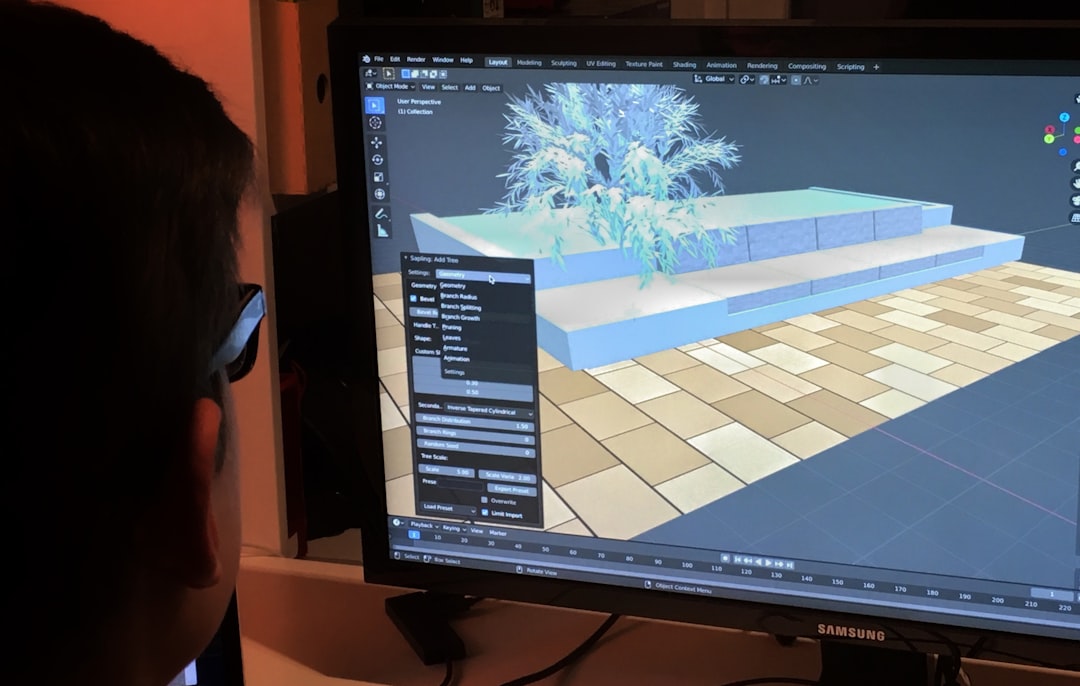
Blender has matured into a full production pipeline solution for 3D modeling, sculpting, animation, and even video editing. As a free and open-source tool, it offers exceptional value while maintaining professional-grade capabilities.
Why it speeds up production:
- All-in-one workflow: Modeling, rigging, animation, and rendering in one environment.
- Strong engine integration: Works seamlessly with Unity and Unreal.
- Massive plugin ecosystem: Procedural tools speed up environment generation.
- Rapid iteration: Real-time viewport rendering allows quick refinement.
Blender reduces dependency on multiple disconnected tools. By consolidating asset creation into a single pipeline, studios eliminate friction between departments.
4. Visual Studio & JetBrains Rider
High-quality code editors significantly affect development speed. While often overlooked, the right IDE (Integrated Development Environment) can save hundreds of hours over a project’s lifespan.
Why they speed up production:
- Intelligent code completion: Reduces syntax errors and coding time.
- Real-time debugging: Speeds up issue resolution.
- Deep engine integration: Particularly strong support for Unity and Unreal.
- Refactoring tools: Simplify large-scale code changes safely.
Rider, in particular, is praised for its Unity-specific optimizations, which streamline workflow and reduce compilation errors.
5. Perforce (Helix Core)
Version control is not optional for serious projects. For larger teams handling heavy binary assets like textures and models, Perforce has become an industry standard.
Why it speeds up production:
- Efficient large file handling: Designed for game asset workflows.
- Branch management: Allows parallel feature development.
- Clear collaboration pipelines: Reduces merge conflicts.
- Scalability: Works effectively for both small teams and AAA studios.
Proper source control prevents catastrophic data loss and eliminates redundant work—a critical factor in maintaining production velocity.
6. Houdini

Houdini is widely known for procedural content generation. While it has a learning curve, its node-based system enables automation at an extraordinary scale.
Why it speeds up production:
- Procedural terrain generation: Build expansive worlds in a fraction of the time.
- Reusable systems: Modify parameters instead of rebuilding assets.
- Simulation tools: Fire, smoke, destruction effects ready for integration.
Instead of manually crafting environments, developers can generate entire ecosystems dynamically. For open-world titles, this can reduce environmental design time by weeks or even months.
Comparison Chart
| Software | Primary Use | Best For | Production Speed Impact | Learning Curve |
|---|---|---|---|---|
| Unity | Game Engine | Indie, Mobile, Cross-platform | High (rapid prototyping) | Moderate |
| Unreal Engine | Game Engine | AAA, High-fidelity games | Very High (visual scripting) | Moderate to High |
| Blender | 3D Asset Creation | Indie to Mid-size Studios | High (integrated workflow) | Moderate |
| Rider / Visual Studio | Programming IDE | All development teams | Medium to High (debugging efficiency) | Low to Moderate |
| Perforce | Version Control | Mid-size to AAA Studios | High (team collaboration) | Moderate |
| Houdini | Procedural Generation | Open-world & Simulation-heavy games | Very High (automation) | High |
How These Tools Combine to Create a 2X Effect
No single tool magically doubles production speed on its own. The 2X improvement comes from strategic integration. Here is how high-performing studios structure their workflow:
- Prototype rapidly in Unity or Unreal.
- Create modular assets in Blender.
- Automate large-scale tasks in Houdini.
- Maintain clean, efficient codebases using Rider or Visual Studio.
- Use Perforce for seamless collaboration.
This layered approach eliminates bottlenecks. Designers can work independently from programmers. Artists can export optimized assets directly into engines. Engineers can iterate quickly without destabilizing builds.
Key Principles for Accelerating Production
Software alone is not enough. Teams must apply these principles to truly double productivity:
- Automate repetition: If something is done more than twice, it should be scripted or systemized.
- Standardize pipelines: Consistent naming, folder structures, and documentation prevent chaos.
- Invest in onboarding: Faster ramp-up means quicker contributions from new hires.
- Balance power with usability: Choose tools your team can actually master.
When automation, collaboration, and technical efficiency align, development speed increases naturally—without compromising quality.
Final Thoughts
Game production timelines are tightening across the industry. Competitive survival increasingly depends on how efficiently a studio can move from concept to launch. After analyzing current professional pipelines, it is clear that engines like Unity and Unreal, content tools like Blender and Houdini, robust IDEs, and enterprise-grade version control form the backbone of accelerated development.
The most successful studios do not simply work harder—they build smarter pipelines. By selecting and integrating the right game development software, production teams can realistically achieve twofold improvements in iteration speed, asset creation, and collaboration.
In an industry where timing can define success, that advantage is not just meaningful—it is decisive.
