

Choosing an ecommerce platform is a strategic decision, not just a design preference. Shopify, Wix, and Squarespace can all support online stores, but they are built with different priorities in mind. Shopify focuses primarily on commerce, Wix emphasizes flexibility and ease of website creation, and Squarespace is known for polished design and content presentation. The best choice depends on how serious your selling operation is today, how much you expect it to grow, and how much control you need over products, payments, marketing, and design.
TLDR: Shopify is the strongest choice for most dedicated online stores, especially businesses that plan to scale. Wix is best for small businesses that want an easy website builder with store features included. Squarespace is ideal for visually driven brands, service providers, artists, and small catalogs where presentation matters as much as transactions. If ecommerce is your main business, choose Shopify; if your website comes first and selling is secondary, Wix or Squarespace may be enough.
Overall Positioning: What Each Platform Is Best At
Table of Contents
Shopify is designed specifically for ecommerce. Its product management, checkout, inventory tools, payment integrations, shipping features, and app ecosystem are built around selling. It is widely used by small businesses, direct-to-consumer brands, dropshippers, retailers, and larger merchants that need reliable infrastructure.
Wix began as a drag-and-drop website builder and later expanded into ecommerce. Its strength is creative freedom and simplicity. It is especially appealing to local businesses, creators, restaurants, consultants, and first-time store owners who want a full website with online selling features, without dealing with much technical complexity.
Squarespace also started as a website builder, with a strong focus on elegant templates and visual storytelling. Its ecommerce tools are capable, but the platform is particularly effective for brands that rely on photography, editorial content, portfolios, appointments, memberships, or digital products alongside physical goods.

Ease of Use
All three platforms are user-friendly compared with building a store from scratch, but they approach usability differently.
- Shopify: The dashboard is structured around ecommerce tasks such as products, orders, customers, discounts, analytics, and sales channels. It may feel less visually flexible at first, but store operations are clear and efficient.
- Wix: Wix offers one of the most intuitive drag-and-drop editors. Users can place elements freely, making it easy to build distinctive pages. However, too much design freedom can sometimes create inconsistent layouts if not managed carefully.
- Squarespace: Squarespace provides a more guided design experience than Wix. It is less flexible in some ways, but the result is often more polished and consistent, especially for users without design experience.
For pure ease of building a basic website, Wix is often the easiest. For managing a serious store day to day, Shopify is usually the most practical. Squarespace sits between them, offering a refined editing experience with less operational depth than Shopify.
Design and Templates
Design quality is important in ecommerce because customers judge credibility quickly. A professional-looking storefront can improve trust, especially for newer brands.
Squarespace has the strongest design reputation. Its templates are modern, clean, and visually balanced. It is an excellent choice for fashion, art, photography, beauty, interiors, food, and lifestyle brands where imagery plays a major role.
Wix offers the most design flexibility. Its editor allows extensive customization, and its template library covers a wide range of industries. This freedom is useful, but it also requires discipline. A poorly arranged Wix site can look amateurish if spacing, typography, and mobile responsiveness are not carefully reviewed.
Shopify’s themes are commerce-focused. While many are visually attractive, their real strength is conversion: product pages, cart functions, promotional sections, filters, and checkout flows. Premium Shopify themes can be expensive, but many are built with serious selling in mind.
Ecommerce Features
This is where the platforms separate most clearly.
Shopify offers the most complete ecommerce feature set. It supports extensive product catalogs, inventory tracking, multiple sales channels, abandoned cart recovery, discount codes, gift cards, customer segmentation, international selling, POS integration, and a mature app marketplace. For businesses with complex shipping, multiple product variants, wholesale needs, subscriptions, or marketplace integrations, Shopify is significantly stronger.
Wix ecommerce is suitable for small to medium stores. It supports physical and digital products, secure checkout, coupons, inventory management, multichannel sales, and basic marketing tools. However, as a store grows, merchants may encounter limitations compared with Shopify’s deeper ecommerce infrastructure.
Squarespace ecommerce is solid but more selective. It works well for smaller catalogs, digital goods, services, memberships, and appointment-based businesses. Product management is clean, and the shopping experience can look excellent, but advanced inventory, fulfillment, and scaling features are not as extensive as Shopify’s.
If your store is the core of your business and you expect growth, Shopify is the safest long-term ecommerce choice.
Payments and Transaction Costs
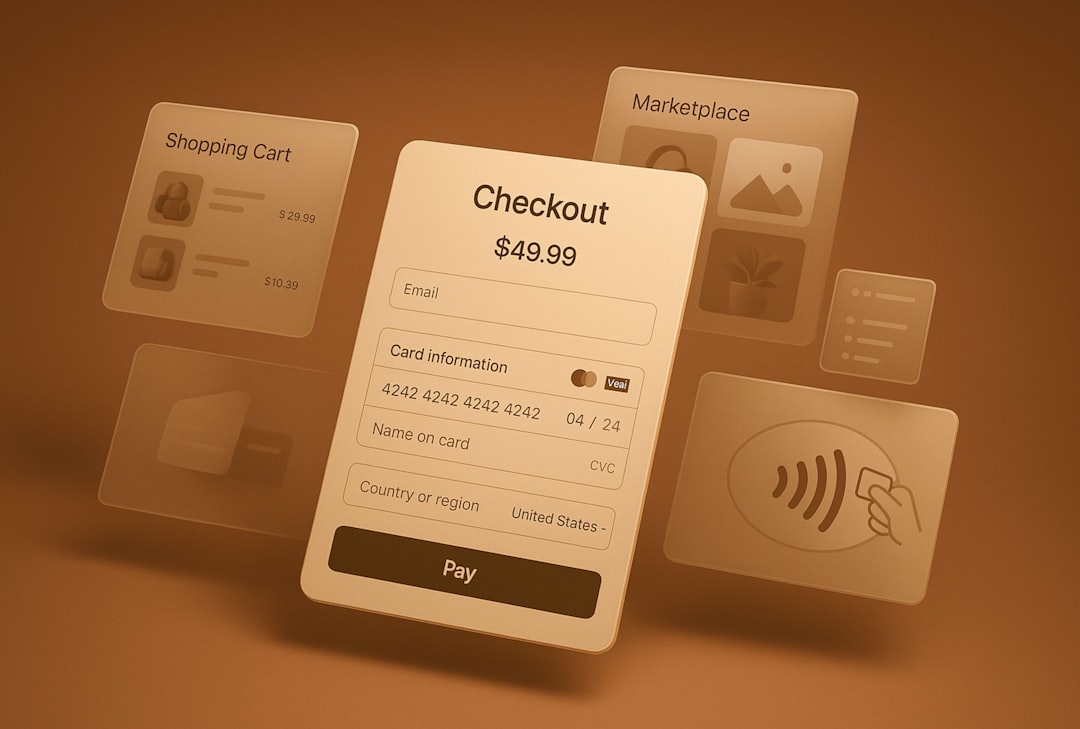
Payment processing affects both customer experience and profitability. All three platforms support major payment options, but the details matter.
Shopify offers Shopify Payments in supported regions, along with many third-party gateways. One important consideration is that Shopify may charge additional transaction fees if you use a third-party payment provider instead of Shopify Payments. For many merchants, Shopify Payments is convenient, but businesses with special payment needs should review fees carefully.
Wix supports Wix Payments in eligible countries and also connects with providers such as PayPal and Stripe, depending on location. Its payment setup is straightforward for smaller businesses.
Squarespace supports payment options such as Stripe, PayPal, and other selected services depending on country and plan. It is generally adequate for standard online transactions, although it does not offer the same breadth of payment ecosystem as Shopify.
Before choosing any platform, merchants should compare not only monthly subscription prices but also payment processing fees, third-party transaction fees, currency support, and payout timing.
Marketing, SEO, and Sales Channels
A store platform should help you attract customers, not just process orders.
Shopify performs strongly in marketing integrations. It connects well with email platforms, advertising tools, affiliate systems, social commerce channels, analytics tools, and marketplaces. Shopify’s app store is a major advantage because merchants can add specialized marketing capabilities as they grow.
Wix includes a broad set of built-in marketing tools, including email campaigns, social posting, SEO settings, forms, automations, and customer management. Its SEO capabilities have improved considerably over time and are sufficient for many small businesses.
Squarespace is strong for content-driven marketing. Blogging, visual pages, portfolios, and brand storytelling are natural fits. Its SEO tools are reasonable for standard needs, though advanced users may find Shopify or dedicated marketing tools more expandable.
For businesses that depend heavily on paid ads, remarketing, advanced analytics, or multiple sales channels, Shopify usually provides more room to grow. For service-led or content-led brands, Squarespace and Wix may be more than adequate.
Apps, Integrations, and Scalability
Scalability is not only about handling more traffic. It also means being able to add features as your business changes.
Shopify has the strongest app ecosystem among the three. Merchants can add tools for subscriptions, loyalty programs, reviews, upsells, returns, shipping rules, dropshipping, wholesale, accounting, inventory forecasting, and much more. The trade-off is that relying on several paid apps can increase monthly costs.
Wix has an app market with useful extensions for bookings, marketing, forms, chat, and ecommerce enhancements. It is broad enough for many small businesses but not as deep for advanced commerce operations.
Squarespace offers fewer third-party integrations, but its built-in tools are well integrated and simple to manage. This can be an advantage for users who prefer a cleaner system and do not want to research many add-ons.
If you want maximum long-term flexibility, Shopify is ahead. If you want simplicity and fewer moving parts, Squarespace may feel more manageable.
Pricing and Total Cost of Ownership
Pricing should be evaluated realistically. The cheapest plan is not always the most cost-effective option if it limits sales or requires workarounds.
- Shopify: Typically costs more once themes, apps, and advanced features are included, but it offers stronger ecommerce value for serious sellers.
- Wix: Often provides good value for small businesses that need both a website and ecommerce features in one place.
- Squarespace: Offers predictable pricing and polished templates, making it attractive for visually focused small stores and creators.
Shopify can become more expensive, but the cost may be justified if better conversion tools, integrations, and operational efficiency help generate more revenue. Wix and Squarespace may be more economical for businesses with modest sales volume or simpler requirements.
Performance, Security, and Reliability
All three platforms provide hosted solutions, meaning they handle server maintenance, security updates, and technical infrastructure. This is a major benefit compared with self-hosted ecommerce systems.
Shopify has a strong reputation for ecommerce reliability, particularly during traffic spikes and high-volume sales events. Its checkout is trusted and optimized for conversions.
Wix and Squarespace also provide secure hosting, SSL certificates, and managed infrastructure. For most small businesses, their performance is sufficient. However, stores with high transaction volume, complex catalogs, or demanding operational requirements may be better served by Shopify’s commerce-first infrastructure.

Which Platform Should You Choose?
Choose Shopify if:
- Your main business is selling products online.
- You expect to grow your catalog, traffic, or order volume.
- You need advanced apps, integrations, shipping, or inventory tools.
- You sell across multiple channels, such as social media, marketplaces, or physical retail.
Choose Wix if:
- You want the simplest way to build a customized website with store features.
- You run a small business and ecommerce is one part of your online presence.
- You value creative layout control and ease of editing.
- You do not need complex inventory or advanced commerce workflows.
Choose Squarespace if:
- Your brand depends heavily on visual presentation.
- You sell a smaller, curated product range.
- You combine ecommerce with blogging, portfolios, services, or appointments.
- You want a polished website without extensive customization work.
Final Verdict
There is no single best platform for every online store. Shopify is the best overall ecommerce platform for merchants who are serious about selling and need a system that can scale. Its strengths in checkout, inventory, integrations, apps, and multichannel commerce make it the most capable option for growth-focused businesses.
Wix is the best choice for ease and flexibility, particularly for small businesses that want a complete website with online selling included. It lowers the barrier to entry and gives non-technical users significant design control.
Squarespace is the best platform for design-led brands that want a refined online presence and straightforward ecommerce tools. It is especially suitable for creators, boutique brands, professionals, and businesses where aesthetics and storytelling are central to the customer experience.
For a serious online store with long-term ambitions, Shopify is usually the most prudent investment. For smaller shops, personal brands, or service-based businesses, Wix and Squarespace remain credible, professional alternatives. The right decision should be based on your business model, operational complexity, growth plans, and the kind of customer experience you want to deliver.
