
PTI Leader Chaudhry Pervez Elahi Released From Jail: Political Impact And What It Means For Punjab Politics

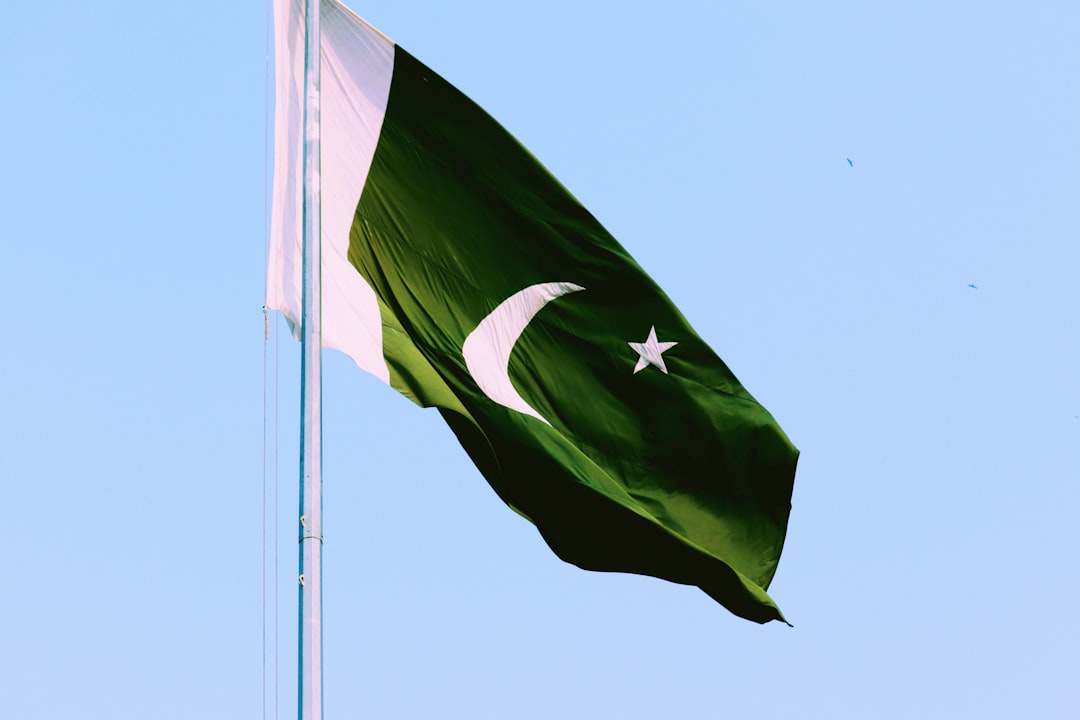
Chaudhry Pervez Elahi’s release from jail marks a significant moment in Pakistan’s turbulent political landscape, especially for Punjab, the country’s most populous and politically influential province. A veteran politician and senior leader of Pakistan Tehreek-e-Insaf (PTI), Elahi’s detention and subsequent release have been closely watched by allies and opponents alike. His freedom has revived debates about political accountability, judicial independence, and the future trajectory of PTI’s influence in Punjab.
TLDR: Chaudhry Pervez Elahi’s release from jail has energized PTI supporters and reshaped political calculations in Punjab. The development strengthens PTI’s narrative of political victimization while reopening space for alliances and negotiations. It also places pressure on rival parties and provincial governance structures. Overall, the move could significantly affect Punjab’s political balance in the coming months.
Pervez Elahi, a former Chief Minister of Punjab and head of the Pakistan Muslim League-Quaid (PML-Q) faction allied with PTI, has long been a central figure in provincial politics. His arrest was widely seen by supporters as part of a broader crackdown on PTI-linked leaders following political unrest and confrontations with state institutions. Critics, however, argued that the case against him reflected long-standing concerns about governance, corruption, and misuse of power.
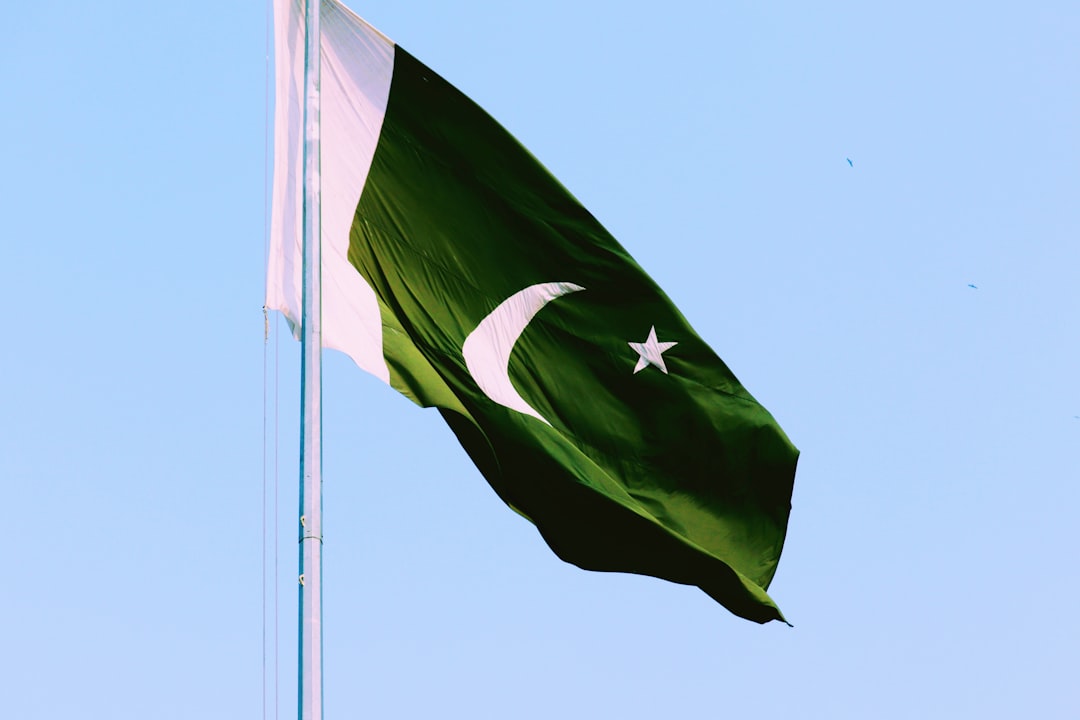
His release from jail, whether viewed as a legal correction or a political concession, has immediate symbolic value. For PTI, it reinforces a narrative that its leaders are being targeted through legal means for political purposes. For the broader public, it raises questions about consistency in accountability and the role of courts in politically sensitive cases.
In Punjab, politics has always revolved around personalities as much as parties, and Elahi embodies that tradition. Coming from the influential Chaudhry family of Gujrat, he brings with him entrenched local networks, administrative experience, and an ability to navigate coalition politics. His return to active political life therefore does not merely add another voice to PTI but restores a seasoned strategist to the field.
One of the most immediate impacts is on PTI’s organizational morale. The party has faced sustained pressure since the ouster of Imran Khan, with arrests, defections, and internal uncertainty weakening its structure. Elahi’s release is likely to galvanize party workers in Punjab, signaling that senior leadership can still weather political storms and return to prominence.
For rival parties, particularly the Pakistan Muslim League-Nawaz (PML-N), the development is less welcome. Punjab has traditionally been PML-N’s stronghold, and any revival of PTI-aligned leadership threatens that dominance. Elahi’s experience as Chief Minister and Speaker of the Punjab Assembly gives him credibility among bureaucrats and lawmakers, potentially complicating governance and legislative strategies for the ruling coalition.
The provincial power equation may also be affected by the recalibration of alliances. Elahi’s PML-Q has historically played the role of kingmaker, siding with whichever party appears better positioned to form government. His release could reopen channels of negotiation, not only within PTI but also with other smaller factions seeking relevance in a fragmented political environment.
Image not found in postmetaAt a deeper level, the episode highlights the ongoing tension between elected politicians and state institutions in Pakistan. Arrests and releases of high-profile figures often shape public perception more than policy outcomes. Elahi’s freedom may embolden other PTI-linked leaders to adopt a more assertive stance, interpreting it as a sign that the judicial system can still provide relief, even in politically charged cases.
From a governance perspective, Punjab’s administration could face renewed political pressure. If Elahi chooses to play an active role in mobilizing opposition, it may translate into increased protests, legal challenges, and parliamentary maneuvering. This could slow decision-making in a province already grappling with economic stress, inflation, and service delivery challenges.
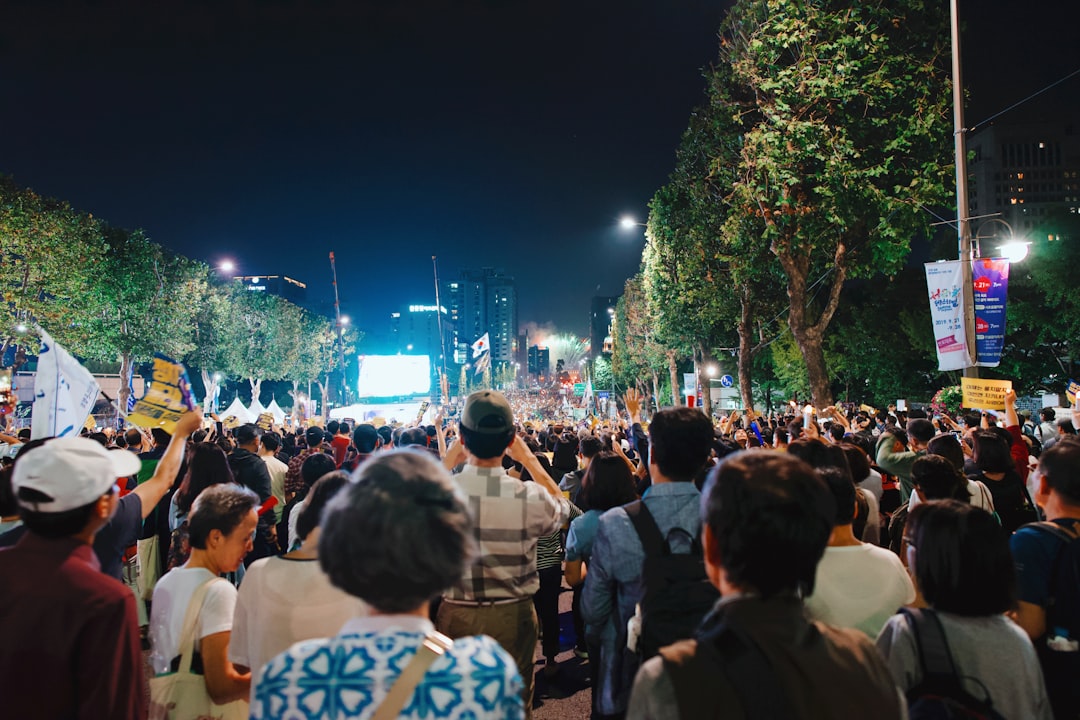
Public reaction to Elahi’s release has been mixed but intense. PTI supporters have celebrated it as a victory for justice, circulating images and statements that frame him as a symbol of resistance. Opponents, however, warn that such releases undermine accountability and reinforce the perception that political elites are treated differently from ordinary citizens.
The media narrative surrounding Elahi’s release also matters. Television talk shows and social media platforms have amplified debates about selective justice, further polarizing public opinion. In Punjab’s urban centers, where political awareness is high, these discussions can quickly translate into shifts in voter sentiment, especially among undecided or younger voters.
Looking ahead, much depends on Elahi’s own strategy. If he adopts a conciliatory tone, emphasizing stability and legal process, he could position himself as a bridge-builder in a divided political environment. If, however, he opts for confrontation, Punjab may witness intensified political agitation, with ripple effects at the national level.
Analysts note that Elahi’s age and experience may incline him toward pragmatic politics rather than street-level confrontation. His past record suggests a preference for negotiation and administrative control over populist rhetoric. This could make him an important behind-the-scenes player, shaping decisions without necessarily occupying formal office.
Ultimately, Chaudhry Pervez Elahi’s release from jail is less about one individual and more about the evolving nature of power in Punjab. It underscores how legal developments can quickly alter political momentum and how deeply interconnected courts, parties, and public opinion remain in Pakistan’s democratic process.
For Punjab politics, the message is clear: the game is far from settled, and seasoned players like Elahi still have the capacity to influence outcomes. Whether this leads to greater political stability or renewed uncertainty will depend on how responsibly that influence is exercised.
Frequently Asked Questions (FAQ)
- Why was Chaudhry Pervez Elahi arrested?
He was arrested in connection with corruption and governance-related cases, which his supporters claim were politically motivated. - What does his release mean for PTI?
It boosts PTI’s morale in Punjab and strengthens its narrative of political victimization, potentially revitalizing party organization. - How does this affect Punjab’s current government?
It may increase political pressure on the ruling coalition through opposition mobilization, legal challenges, and legislative tactics. - Can Elahi return as Chief Minister of Punjab?
While not immediate, his release keeps the possibility alive, depending on future elections, alliances, and court decisions. - What is the broader political significance of his release?
It highlights the close link between legal processes and political power in Pakistan, influencing public trust and political alignment.
