


Are you obsessed with video games and curious if you can make a job out of it? Great news — you totally can! The gaming industry is huge and full of fun, creative careers just waiting to be explored.
TL;DR: If you love gaming, there’s a job out there for you — from making games to testing or even promoting them. Start by researching roles like designer, programmer, and artist. Try online courses, join gaming communities, and build your own projects. It’s fun, but be ready to learn and stay creative!
Why Learn About Gaming Industry Careers?
Table of Contents
The gaming world isn’t just about playing games. It’s a big universe full of cool jobs. You could make the games. You could test them. You could even sell them or help players online.
And the best part? You don’t always need a fancy degree. What you do need is passion, curiosity, and the drive to learn.
Top Careers in the Gaming Industry
Let’s check out some of the most popular jobs in gaming!
- Game Designer – The person who comes up with the gameplay, rules, and story.
- Game Programmer – These folks make sure the game works by writing code.
- Game Artist – They draw characters, settings, and animations.
- Sound Designer – They create smash sounds, magical chimes, and spooky music.
- QA Tester – The official “bug catcher.” They play the game and fix problems.
- Producer – The organizer. They keep the game project on track.
- Community Manager – They talk to players and manage game communities online.
If any of those sound interesting, great! Let’s now find out how you can start learning about them.
Step 1: Learn What Each Role Does
Before diving in, take time to understand each career. Watch videos. Read blogs. Listen to podcasts hosted by game professionals. A few great resources include:
- Gamasutra
- IGDA (International Game Developers Association)
- YouTube channels like Game Maker’s Toolkit and Extra Credits
Explore game credits too! Next time you finish a game, stick around and watch those end credits. You’ll see all the roles listed from developers to voice actors.
Step 2: Choose a Path That Excites You
Each job requires different skills. Here’s a quick guide:
- Love writing stories? Try game design or narrative writing.
- Great at math or computers? Try programming.
- Always drawing? Creating characters? Try game art.
- Super detail-oriented? QA testing could be for you.
Pick one path to begin with, but don’t stress — you can always switch later on.
Step 3: Take Online Courses
You don’t need to join a big college. There are many awesome online courses:
- Coursera
- Udemy
- Khan Academy
- Unity Learn (great for game devs!)
These platforms are budget-friendly and flexible. Start with the basics and move up little by little.
Step 4: Join Gaming Communities
Don’t be a lone wolf! Game development is often a team effort. Join online spaces where gamers and developers hang out. Here are a few popular ones:
Ask questions. Show your work. Get feedback. You’ll make fast progress when you’re not alone.
Step 5: Get Hands-On!
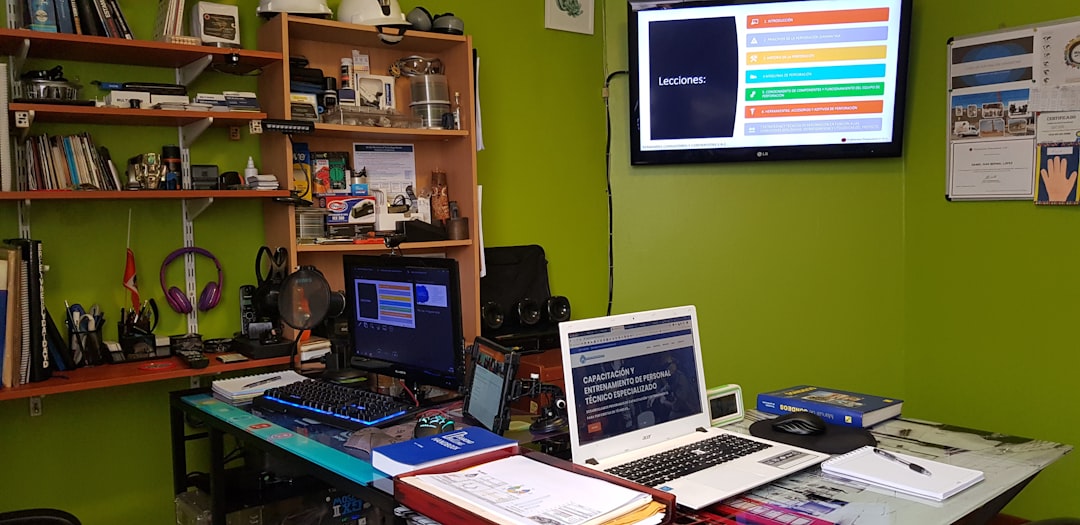
Start small — maybe try making a tiny 2D game. Pick easy tools like:
- Scratch
- GameMaker
- Unity
- Unreal Engine
These platforms help you turn your big ideas into real, playable games. And nothing teaches better than doing!
Step 6: Build a Portfolio
You’ll need a portfolio to show what you can do. This is like a digital art gallery — but for your projects!
- Include screenshots, videos, and demos.
- Write short descriptions of what you did.
- Link your playable projects if possible.
When you apply for a job, your portfolio is your secret weapon. It shows your skills without needing fancy words.
Step 7: Attend Events and Meet People
Game conventions and meetups are gold mines for learning and connecting. Even if you can’t attend in person, many events are online now.
Try checking out:
- GDC (Game Developers Conference)
- PAX (Penny Arcade Expo)
- Global Game Jam (great for making your own short game with others)
Talk to people. Ask about their work. Show them your portfolio. You never know where conversations can lead!
Step 8: Stay Updated
The gaming industry moves FAST. New tech, new styles, new roles pop up all the time. To keep up:
- Subscribe to a game dev newsletter.
- Watch livestreams of developers at work.
- Read game dev blogs and magazines.
Being up-to-date helps you stay ahead in learning and finding opportunities.
A Few Fun Facts!
- The video game industry is bigger than the music and movie industries combined.
- People aged 36-50 play almost as much as teenagers. Game careers aren’t just for “youngsters.”
- There are game jobs in many countries across the world!
Don’t Be Afraid to Try!
You don’t need to be a “pro gamer” to work in the industry. There’s a place for everyone — writers, artists, and even those who are just really good at organizing things.
Start slow. Be curious. Find your fit.
You’ve Got This!
The world of gaming is one of creativity, tech, teamwork, and play. Whether you dream of designing the next big RPG, building a cozy farming game, or voicing game characters — it’s all possible from wherever you are.
So pick up your controller, keyboard, or sketch pad… and start exploring!
