

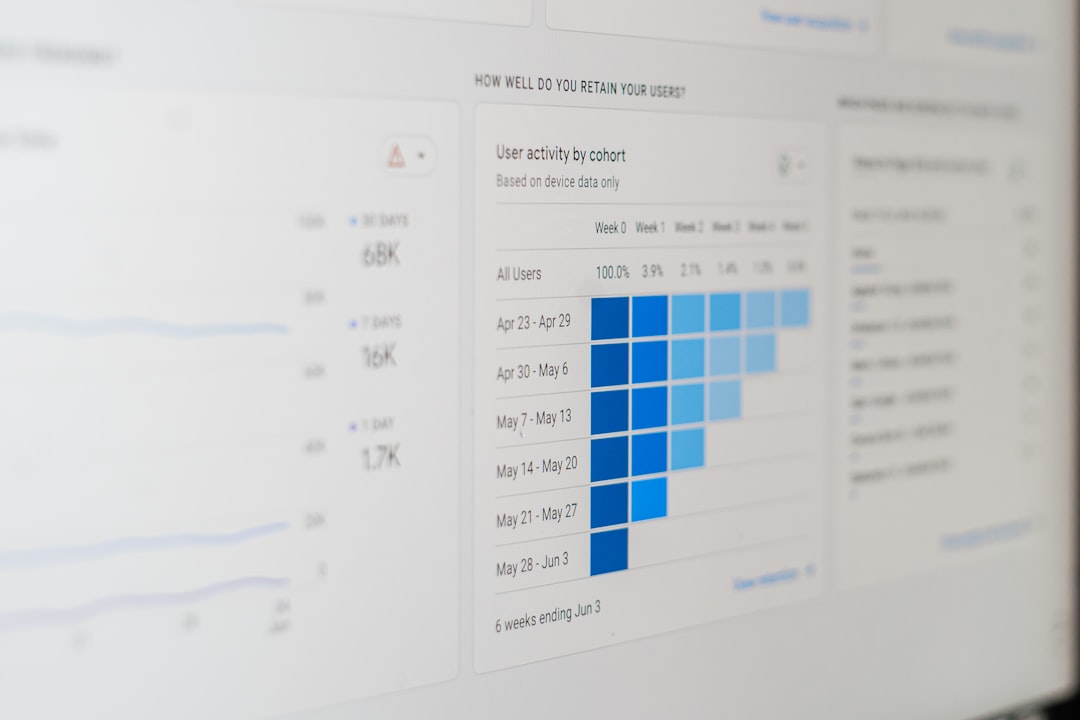
In an era defined by data, organizations are under constant pressure to produce accurate, timely, and insightful reports. Yet for many teams, reporting remains a manual, time-consuming process prone to human error and inconsistency. Reporting automation tools have emerged as a critical solution, enabling businesses to streamline operations, improve data accuracy, and make better decisions faster. When thoughtfully implemented, these tools can fundamentally transform your workflow and elevate your organization’s performance.
TLDR: Reporting automation tools eliminate repetitive manual tasks, reduce human error, and accelerate access to actionable insights. By integrating data sources and standardizing processes, they improve accuracy, transparency, and scalability across teams. Automation not only saves time and costs but also empowers decision-makers with real-time intelligence. Organizations that adopt reporting automation gain efficiency, agility, and a meaningful competitive advantage.
The Hidden Cost of Manual Reporting
Table of Contents
Manual reporting processes often appear manageable at first glance. Spreadsheets, copied data, and email-based approvals may seem sufficient for smaller operations. However, as data volumes grow and reporting demands increase, inefficiencies quickly compound.
- Time Consumption: Employees spend hours gathering, cleaning, and consolidating data.
- Human Error: Manual input increases the risk of inaccuracies and inconsistencies.
- Version Control Issues: Multiple spreadsheet versions can create confusion and misalignment.
- Delayed Insights: Decision-makers often receive outdated or incomplete information.
Beyond these operational issues, there is also a strategic cost. When teams dedicate significant time to assembling reports, they have less time to analyze results, identify trends, and develop forward-looking strategies. Reporting automation shifts the focus from data preparation to data interpretation.
What Are Reporting Automation Tools?
Reporting automation tools are software systems designed to collect, process, visualize, and distribute data with minimal human intervention. They integrate with multiple data sources, including customer relationship management systems, accounting platforms, marketing tools, and enterprise databases.
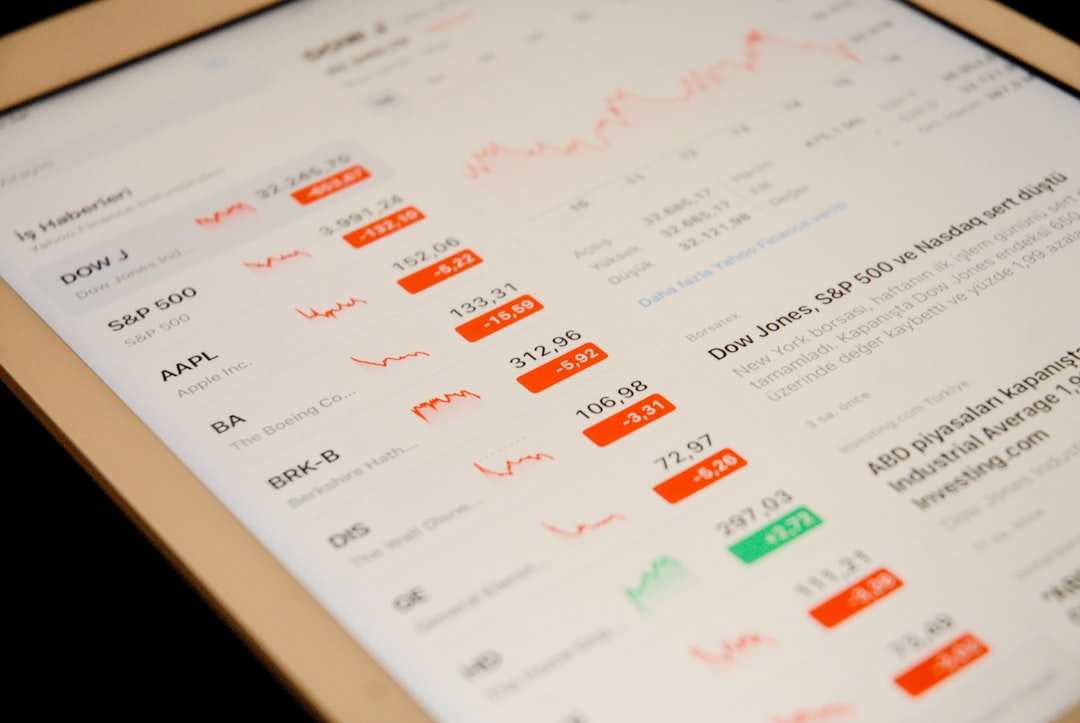
Core capabilities often include:
- Automated Data Collection: Direct integration with live data sources.
- Scheduled Reporting: Automatic generation and delivery of reports.
- Customizable Dashboards: Real-time visualizations tailored to stakeholders.
- Data Validation: Built-in checks to ensure consistency and accuracy.
- Role-Based Access: Secure sharing based on user permissions.
These tools can range from specialized reporting platforms to comprehensive business intelligence systems. Regardless of complexity, their shared objective is to simplify and strengthen the reporting lifecycle.
Transforming Workflow Through Automation
The impact of reporting automation extends far beyond simple time savings. It reshapes how teams operate and collaborate.
1. Accelerated Decision-Making
In fast-moving markets, timing is critical. Automated reporting provides real-time or near-real-time data updates. Managers no longer need to wait until the end of the week or month to assess performance. Instead, they can monitor key performance indicators continuously and respond proactively.
This shift enables:
- Faster identification of emerging risks.
- Immediate adjustments to marketing campaigns or budgets.
- More agile resource allocation.
2. Improved Accuracy and Consistency
Human error is unavoidable in manual processes. Even small mistakes in formulas or data entry can lead to significant misinterpretations. Automation standardizes calculations and ensures consistent methodologies across reports.
By drawing data directly from source systems and applying uniform logic, automation reduces discrepancies. Stakeholders can trust that the numbers they see today are calculated in the same way as yesterday.
3. Enhanced Transparency Across Departments
Reporting automation creates a single source of truth. When departments rely on separate spreadsheets and reporting templates, discrepancies often emerge. Automated systems consolidate data into centralized dashboards accessible to authorized users.

This transparency fosters improved collaboration. Finance, marketing, operations, and leadership teams can reference the same metrics and definitions. Alignment becomes easier, and internal discussions shift from debating numbers to interpreting their meaning.
Operational Efficiency and Cost Reduction
One of the most immediate benefits of reporting automation is increased operational efficiency. Tasks that once required hours of manual effort can be completed within minutes or even seconds.
Consider the cumulative impact:
- A weekly report that takes four hours to create consumes over 200 hours per year.
- Multiply that across multiple employees and departments.
- The hidden labor cost becomes substantial.
Automation reduces these repetitive tasks dramatically, freeing skilled professionals to focus on analysis, strategy, and innovation. Over time, this shift not only reduces direct labor costs but also increases overall productivity.
Additionally, automated reporting supports scalability. As organizations grow, manual reporting processes often become unsustainable. Automated systems accommodate higher data volumes without proportional increases in workload.
Strengthening Compliance and Governance
For many organizations, regulatory compliance is a critical concern. Manual reporting processes can expose companies to compliance risks due to inconsistent documentation or incomplete audit trails.
Automation enhances governance in several important ways:
- Audit Trails: Automatic logging of data changes and report generation history.
- Standardization: Consistent application of regulatory formulas and disclosure requirements.
- Controlled Access: Secure role-based permissions minimize unauthorized changes.
With proper implementation, reporting automation tools create a defensible, transparent reporting framework that reduces exposure to regulatory penalties and reputational damage.
Empowering Data-Driven Culture
Perhaps the most transformative effect of reporting automation is cultural. When data becomes accessible and reliable, employees at all levels are more likely to incorporate it into their daily decision-making.
Instead of viewing reporting as an administrative burden, teams begin to see it as a strategic asset. Real-time dashboards allow frontline employees to track their own performance, while executives gain comprehensive oversight without requesting ad hoc reports.
A data-driven culture encourages:
- Objective performance evaluation.
- Greater accountability.
- Continuous improvement based on measurable outcomes.
Automation helps eliminate barriers that previously limited access to insights, democratizing information across the organization.
Implementation Considerations
While the benefits are substantial, successful implementation requires careful planning. Reporting automation is not merely a technology upgrade; it is a process transformation.

Key considerations include:
- Data Quality: Automation amplifies both good and bad data. Ensuring clean, structured input sources is essential.
- Clear Objectives: Define which reports to automate and why.
- Change Management: Provide training and communicate benefits to encourage adoption.
- Integration Strategy: Evaluate compatibility with existing systems.
Organizations should begin with high-impact reports that require frequent updates and involve complex data consolidation. Early successes build confidence and demonstrate measurable value.
Measuring the Impact of Reporting Automation
To fully understand the transformation, it is important to measure outcomes. Key performance indicators might include:
- Reduction in report preparation time.
- Decrease in data discrepancies.
- Improvement in on-time report delivery rates.
- Enhanced decision turnaround times.
Qualitative indicators are equally meaningful. Employee satisfaction may improve as repetitive work decreases. Cross-department collaboration often strengthens when shared data sources replace fragmented spreadsheets.
Over time, the aggregated effect of these improvements can significantly influence overall organizational performance and resilience.
The Competitive Advantage
In highly competitive industries, information asymmetry can determine success or failure. Organizations that rely on delayed or inaccurate reporting risk falling behind more agile competitors.
Reporting automation delivers actionable insights at speed and scale. It equips leaders with the clarity needed to anticipate market shifts, optimize operations, and allocate resources strategically. Rather than reacting to past performance, automated systems support forward-looking analysis.
Moreover, automation positions organizations to adopt advanced analytics and predictive modeling more easily. Clean, structured, and centralized data forms the foundation for sophisticated business intelligence initiatives.
Conclusion
Reporting automation tools represent more than a technical enhancement; they are a strategic enabler of organizational excellence. By eliminating manual inefficiencies, improving accuracy, and accelerating access to insights, these tools fundamentally transform workflows. They reduce risk, strengthen governance, and empower teams to focus on higher-value activities.
As data volumes continue to grow and reporting requirements become more complex, automation will no longer be optional. Organizations that invest in robust reporting systems today are preparing themselves for sustained efficiency, scalability, and informed decision-making tomorrow. In a business landscape defined by uncertainty and rapid change, reliable and automated reporting is not merely advantageous—it is essential.
