

Building a distinctive brand used to require an agency, a sizeable budget, and years of trial and error. Today, indie creators — from solo designers and YouTubers to Etsy shop owners and game developers — are crafting compelling visual identities with a smart mix of strategy and lesser-known digital tools. While mainstream platforms like Canva and Adobe Creative Cloud dominate the conversation, a new wave of “hidden” tools is quietly reshaping how independent brands come to life.
TLDR: Indie creators are elevating their branding by using seven under-the-radar tools that streamline color selection, typography pairing, mockups, mood boarding, asset management, audience testing, and visual consistency. These tools are often affordable, intuitive, and built for fast iteration. By combining them thoughtfully, creators can produce professional-level visual identities without hiring a full design team. The secret isn’t just talent — it’s resourcefulness.
Why Visual Identity Matters More Than Ever
Table of Contents
In crowded digital marketplaces, attention spans are short and competition is intense. A strong visual identity — logo, color palette, typography, photography style, layout system — does more than “look good.” It builds recognition, trust, and emotional connection. Indie creators don’t just sell products or content; they sell an experience and a point of view.
But here’s the challenge: consistency and originality can be hard to maintain when you’re creating everything yourself. That’s where hidden tools help bridge the gap between creativity and structure.
1. Coolors + Advanced Palette Generators (Beyond Basic Color Picking)
Most creators know about color palette generators. What they don’t often explore are advanced features like contrast checking, palette extraction from photos, and accessibility simulations.
Tools like Coolors and Huetone allow creators to:
- Generate cohesive palettes instantly
- Test accessibility contrast ratios
- Lock specific brand colors while experimenting
- Export palettes directly into design software
Indie creators often start with inspiration images — artwork, photography, nature shots — and extract color systems directly from them. This creates a more organic and emotionally aligned palette.
The result? A brand that feels intentional rather than randomly assembled.
2. Font Pairing Engines That Think Like Designers
Typography is often the weakest link in indie branding. Many creators pick fonts based on popularity instead of harmony.
Hidden tools like:
- Fontjoy
- Typ.io
- Monotype Font Pairing Tools
use AI and algorithmic analysis to suggest complementary headline and body fonts.
These platforms help creators understand:
- Hierarchy (display vs. body fonts)
- Contrast (serif vs. sans-serif combinations)
- Mood alignment (formal, playful, luxury, tech)
By building a typography system instead of randomly switching fonts, indie brands instantly appear more professional and cohesive across websites, packaging, and social content.
3. Mockup Generators for Immediate Brand Realism
A logo floating on a white canvas doesn’t feel real. But place that same logo on packaging, apparel, or a storefront sign, and the brand suddenly becomes tangible.
Tools like:
- Smartmockups
- Placeit
- Artboard Studio
allow indie creators to visualize their identity in real-world contexts without advanced Photoshop skills.
This serves two important purposes:
- Improves decision-making (Does the logo work on a dark background?)
- Creates compelling marketing visuals instantly
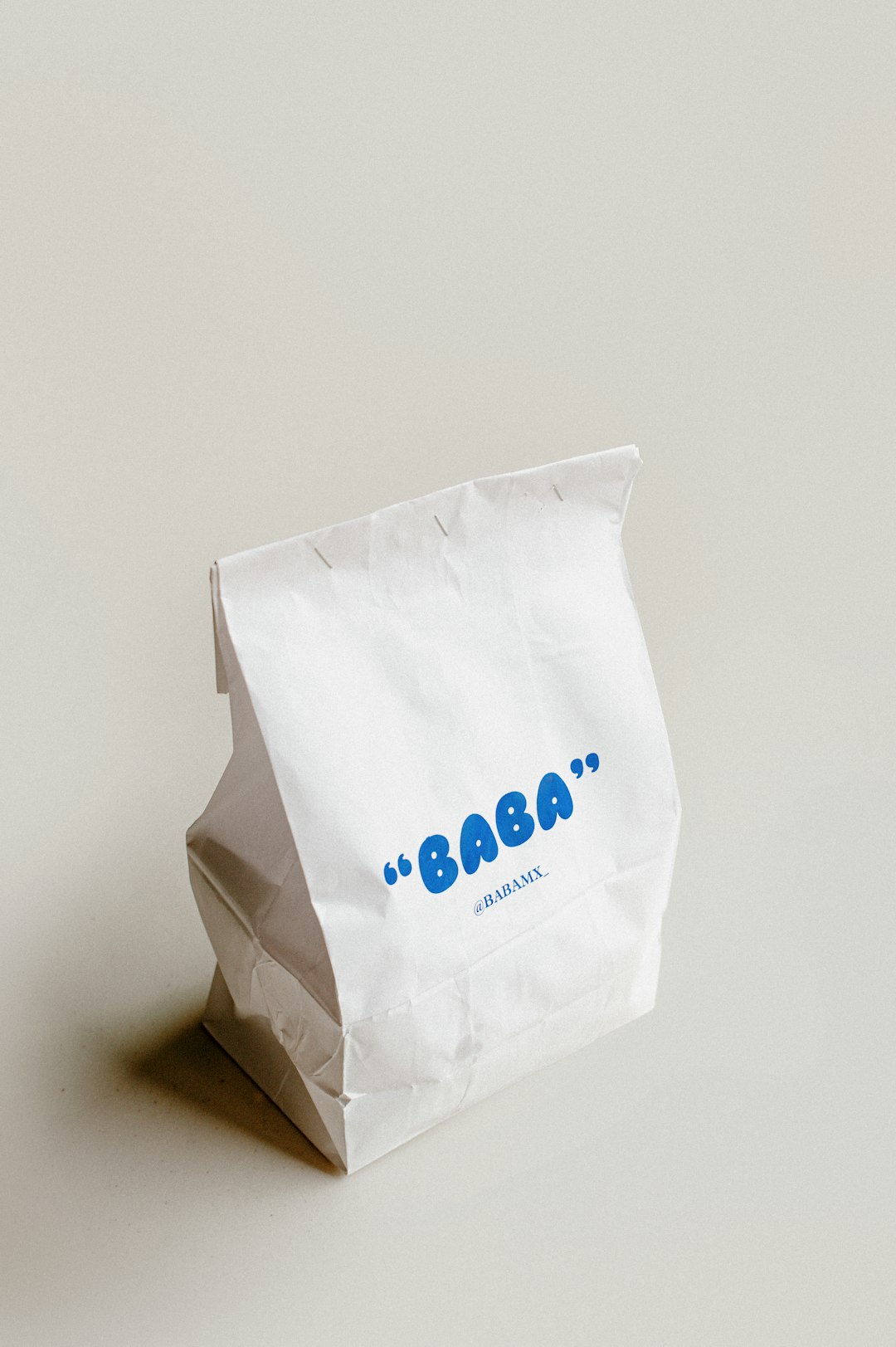
Instead of guessing how a design will translate to merchandise or digital screens, creators can test it immediately and refine with confidence.
4. Milanote and Digital Mood Boarding Systems
Branding starts with feeling — not logos. Hidden gem platforms like Milanote and Cosmos allow visual mood boarding in a more flexible way than traditional slide decks.
Indie creators use these tools to collect:
- Photography references
- Texture inspirations
- Layout ideas
- Illustration styles
- Competitor analysis snapshots
The advantage is spatial thinking. Instead of stacking images in a linear presentation, creators can cluster ideas intuitively. This reflects how visual identity actually forms — through relationships, not bullet points.
Mood boards become living brand foundations that guide future decisions.
5. Figma as a Brand System Hub (Not Just a UI Tool)
While Figma is widely known in UX design, many indie creators are using it as a centralized brand system manager.
Inside Figma, they build:
- Reusable color styles
- Text styles for headlines, captions, and body text
- Logo variations
- Component-based social templates
This transforms branding from a static logo into a dynamic system. Instead of recreating assets repeatedly, creators duplicate structured templates and maintain consistency effortlessly.
Even non-designers benefit because Figma’s browser-based interface makes collaboration easy when working with freelancers or partners.
6. Visual Consistency Check Tools
One overlooked element of branding is ongoing consistency. Indie creators post across multiple platforms — Instagram, YouTube, newsletters, websites — and visual drift happens quickly.
Hidden tools like:
- Brandmark.io’s Brand Audit
- DesignLint
- Contrast checker plugins
help scan for inconsistencies in typography, spacing, and color usage.
This is especially valuable when scaling. A creator who once worked alone may bring on team members. Suddenly, multiple hands are producing graphics. Without system checks, brand identity weakens.
Consistency tools act like quiet guardians of visual integrity.
7. Audience Testing Platforms for Visual Feedback
Great branding isn’t just aesthetically pleasing; it resonates. Indie creators increasingly use micro-testing platforms to validate their visual choices before fully launching.
Tools like:
- UsabilityHub
- PickFu
- Maze
allow creators to run quick preference tests. For example:
- Which logo variation feels more premium?
- Which thumbnail attracts more clicks?
- Which color palette feels more calming?
Even a small sample size can reveal surprising insights. Creators often discover that the design they personally love isn’t the one their audience connects with most.
This data-informed approach reduces emotional bias and strengthens market alignment.
How Indie Creators Combine These Tools Strategically
The real magic isn’t in using one tool. It’s in combining them into a workflow.
A typical indie branding process might look like this:
- Gather inspiration in Milanote
- Extract and refine colors using Coolors
- Select typography pairings with Fontjoy
- Build a system in Figma
- Test real-world application through mockups
- Run preference tests via PickFu
- Maintain consistency with brand audit tools
This structured yet flexible pipeline allows solo creators to operate with near-agency sophistication.
The Psychological Edge of Professional Branding
There’s another benefit that rarely gets discussed: confidence.
When indie creators see their brand presented consistently across:
- Social media
- Product packaging
- Digital downloads
- Email newsletters
they begin to perceive themselves as legitimate businesses rather than side projects.
This shift in mindset influences pricing, marketing boldness, and long-term vision.
Professional visual systems don’t just attract audiences — they transform creators internally.
Common Mistakes Indie Creators Avoid With These Tools
Using hidden branding tools wisely helps prevent:
- Overcomplicated logos that don’t scale
- Inconsistent type usage across platforms
- Color combinations that fail accessibility standards
- Brand drift as the business evolves
These subtle issues can quietly erode trust. Addressing them early saves time and costly rebrands later.
The Future of Indie Branding
As AI and browser-based design tools evolve, indie creators will continue narrowing the gap between small operations and global brands. The barrier to professional-grade identity systems is no longer financial — it’s informational.
Those who know where to look — and how to integrate these tools thoughtfully — gain a competitive edge.
Branding is no longer reserved for corporate giants. It’s an accessible craft powered by digital innovation and creative intuition.
For indie creators willing to explore beyond the obvious platforms, these seven hidden tools aren’t just helpful — they are transformative.
