

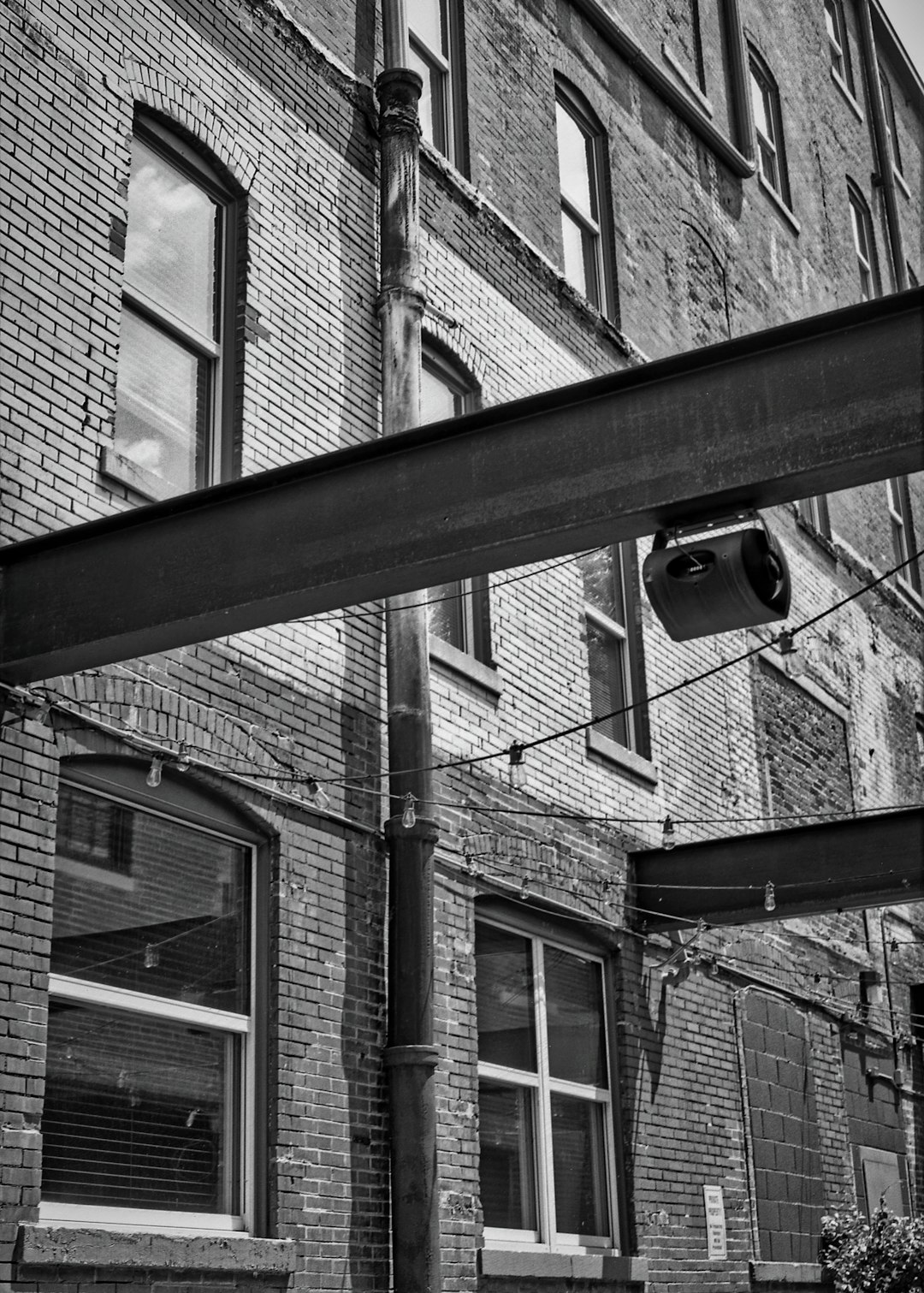
City life is amazing. Bright lights. Busy streets. Lots of people. But with all this buzz comes challenges—especially when it comes to safety. That’s where future-focused surveillance systems step in.
TLDR:
Table of Contents
Urban security is getting a big upgrade thanks to smart, tech-powered surveillance systems. These aren’t your old-school cameras—they use AI, sensors, and real-time alerts. They can spot trouble before it happens, keeping cities safer. It’s like having a superhero squad watching over your neighborhood!
How Surveillance Is Evolving
Surveillance used to mean a camera on a pole. If something happened, someone had to rewind hours of video. It was slow. It was clunky. It wasn’t helpful in real-time.
Today, it’s a different story. Thanks to AI, cloud computing, and smart sensors, surveillance systems can now think. They recognize faces, detect motion, and send instant alerts. It’s like giving eyes and brains to the city!
What Makes These Systems “Future-Focused”?
The word “future” in future-focused isn’t just for flair. These systems are loaded with cool, forward-thinking tech:
- Artificial Intelligence (AI): Detects odd behavior, predicts crime trends, and even helps guide emergency responses.
- Real-Time Monitoring: Police and safety teams can respond faster with live data feeds.
- Multi-Sensor Fusion: Combines video, audio, and even temperature data to spot sneaky threats.
- Cloud Storage: Saves huge amounts of data that can be accessed anytime, anywhere.
- Cybersecurity Layers: Protects sensitive footage from hackers and leaks.
With all this gear, cities become more than smart—they become safe.
Real Stories from Real Cities
Let’s take a peek at some places already using this kind of tech.
- Singapore: This city uses cameras that read license plates! They help track stolen cars and spot traffic violations instantly.
- London: With thousands of cameras tied to AI systems, police can spot suspicious behavior fast—sometimes before anything really happens.
- New York City: Law enforcement uses facial recognition and data tracking to find suspects in record time.
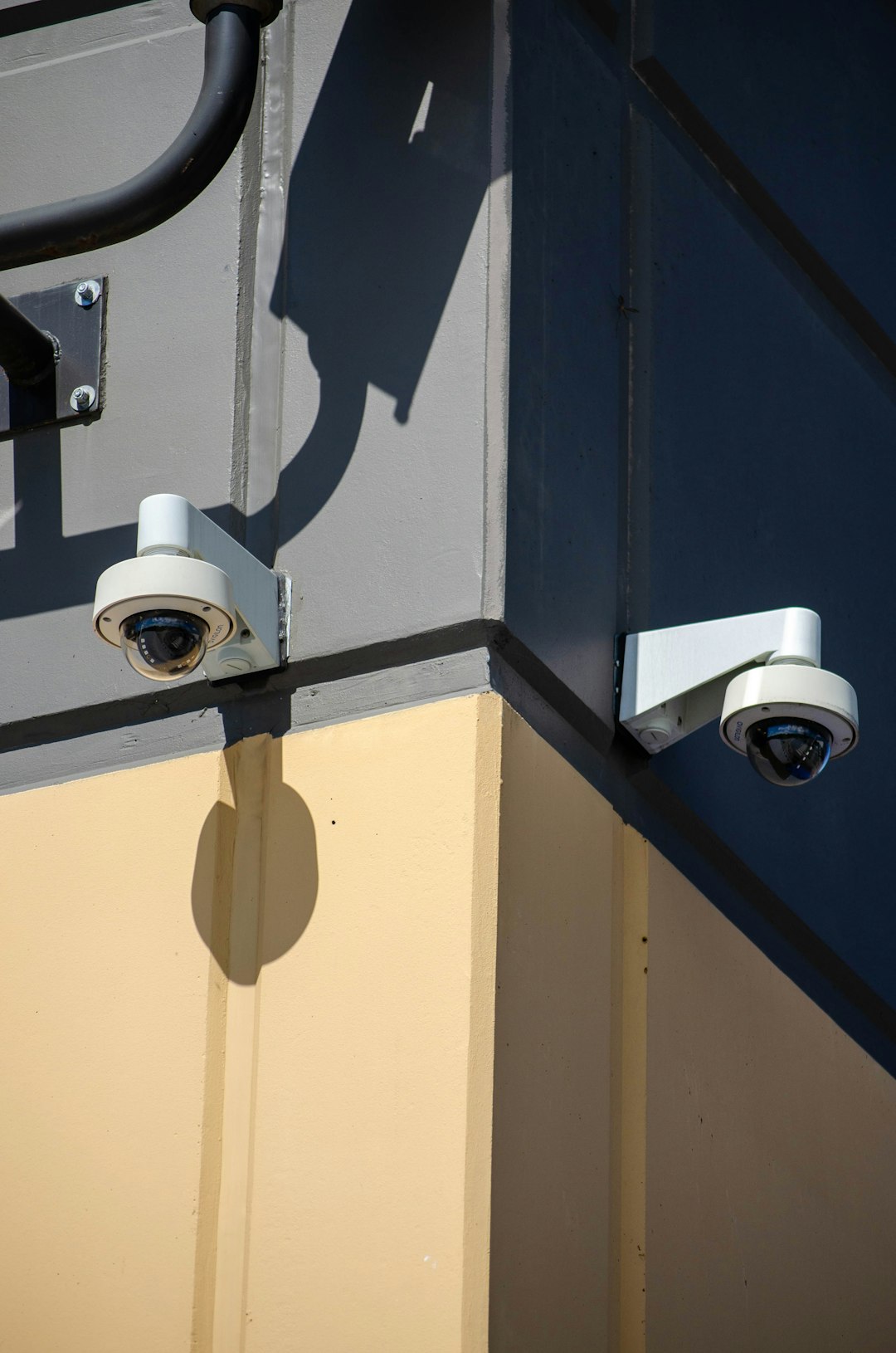
These cities are redefining what “watching out” for citizens really looks like.
How Do These Systems Work?
Let’s keep it simple. Imagine this happens:
- You’re walking through a public square late at night.
- A smart surveillance camera notices someone lurking nearby—acting unusually.
- Its AI flags this behavior as “suspicious.”
- An alert is instantly sent to local patrol on their phones or tablets.
- They arrive quickly to check things out before anything bad happens.
That’s the magic—things get noticed and handled in real-time. No waiting, no rewinding.
The Benefits People Actually Care About
Not everyone is a tech nerd. But most people love feeling safe. Here’s how these systems help regular people every day:
- Prevent Crimes: When cameras are smart, criminals think twice before doing anything shady.
- Faster Police Response: Less guessing, more acting. Officers know where to go and why.
- Safer Public Events: Big concerts or parades? Smart cameras keep an eye on the crowd.
- Help the Lost: Facial recognition can help find missing children or lost seniors quickly.
It’s like turning every street into a safer zone.

Wait, What About Privacy?
Great question. Not everyone feels good about being watched, even by smart machines.
Here’s the thing: good systems respect privacy. How?
- Data Encryption: All footage is locked up tight. Only authorized people can access it.
- Blur Faces (when needed): Some systems blur unneeded faces to protect bystanders.
- Audit Trails: Every time footage is viewed or used, it’s logged. That means no sneaky snooping.
Balance is key. Future-focused tech should be safe and smart.
What’s Coming Next?
Believe it or not, surveillance is still growing up. Here’s what we might see soon:
- Drone Surveillance: Flying cameras that can follow suspects or scan large areas quickly.
- Predictive AI: Systems that learn patterns and predict where crimes may happen next.
- Integration with Smart City Devices: Cameras talking to smart traffic lights, sensors, and even robots.
The future is full of possibilities. And each one brings another layer of safety.
Should You Be Excited or Worried?
Honestly? A little bit of both. Tech isn’t perfect. But we can make it better by asking the right questions and setting strong rules.
When used with care, these systems do more good than harm. They protect. They prevent. They save lives.
What You Can Do
Want to support these safer cities? Here’s how you can get involved:
- Ask Questions: Learn how your city uses surveillance. Transparency builds trust.
- Support Ethical Rules: Encourage laws that protect your rights while supporting safety.
- Stay Informed: Tech changes fast—keep up with it to know how you’re being protected.
In Summary
Future-focused surveillance systems are transforming our cities. They use powerful tools to stop crimes before they happen. They help responders show up faster. And they give everyday people more peace of mind.
As long as we keep privacy in check and ethics in place, we’ve got a winning combo: smart cities, strong communities, and better days ahead.
