

Money moves fast now. Bills, invoices, and payments do not want to wait in a dusty drawer. That is where App.Viewpost.com/Remittance may come into the picture. It is a web page connected to Viewpost’s payment and remittance tools, where users may review payment details, access remittance information, and manage related payment records.
TLDR: App.Viewpost.com/Remittance is generally used to view payment and remittance details through the Viewpost platform. You may need a valid account, email invite, or payment notice to access it. It can help you track who paid, what was paid, and when it happened. If something breaks, start with login checks, browser fixes, and support contact options.
What Is App.Viewpost.com/Remittance?
Table of Contents
App.Viewpost.com/Remittance is a web address tied to Viewpost’s online payment system. The word remittance sounds fancy. But it has a simple meaning.
A remittance is payment information. It tells you what a payment is for. It may show an invoice number. It may show the amount paid. It may show the payer. It may show dates, fees, notes, or deductions.
Think of it like a receipt with a mission. It does not just say, “Money arrived.” It says, “Here is why the money arrived.” That is very helpful for businesses.
For example, a supplier may receive a payment from a customer. The money lands in the bank. Great! But what invoices did that payment cover? Was it for one invoice? Five invoices? Was a discount taken? Was anything short paid? A remittance page can help answer those questions.
Who Usually Uses It?
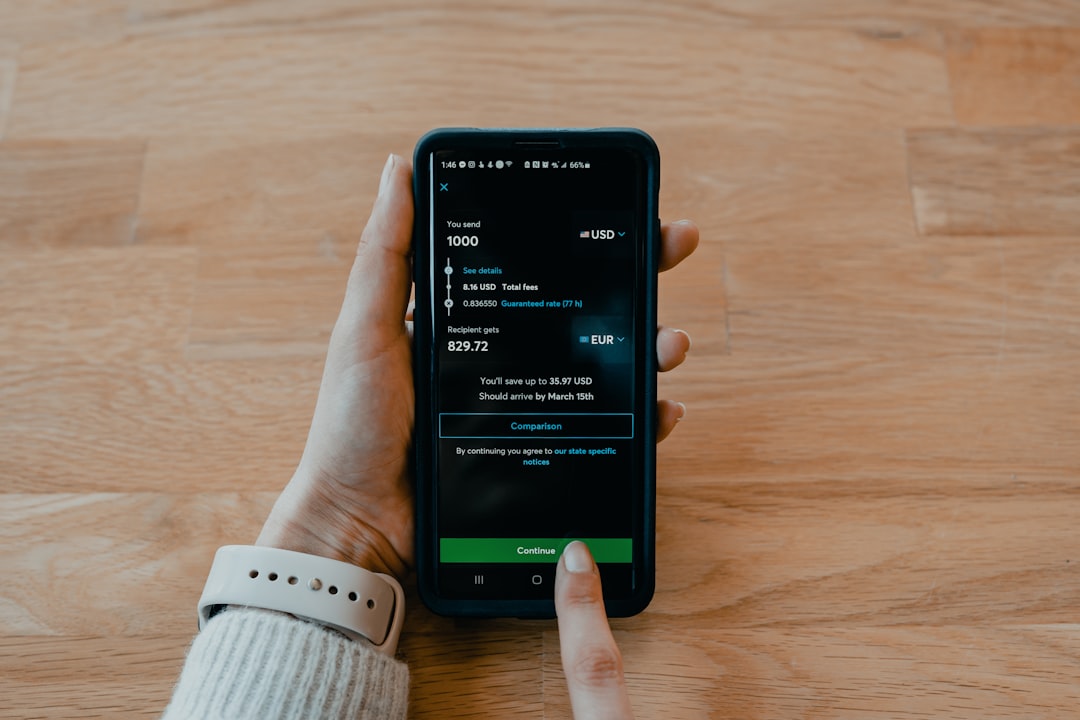
This type of page is mainly useful for people who handle payments. That can include:
- Accounts receivable teams who track incoming payments.
- Accounts payable teams who send payments to vendors.
- Small business owners who manage invoices themselves.
- Vendors and suppliers who need payment details.
- Bookkeepers who match payments to invoices.
- Finance managers who want clean records.
If you received a Viewpost email or payment notice, the remittance link may help you see more details. If you did not receive an invite or notice, you may not be able to access the page directly.
How To Access App.Viewpost.com/Remittance
Access is usually simple. But there may be a few different paths. It depends on how your company uses Viewpost.
1. Use the Link From Your Email
The easiest way is often through an email notification. You may get a message that says a payment was sent, received, or processed. The email may include a button or link to view remittance details.
Click the link. Then sign in if asked. After that, you should land near the remittance information.
Be careful, though. Always check the sender. Scammers love payment emails. The link should point to a real Viewpost domain. If the email looks strange, do not click it. Go to the site directly or ask your finance contact.
2. Go Directly to the Web Address
You may also type app.viewpost.com/remittance into your browser. This may send you to a login page. Or it may ask for details. Or it may redirect you within the Viewpost app.
If you are already logged in, it may load your remittance page faster. If you are not logged in, you will likely need your username and password.
3. Sign In Through Your Viewpost Account
If your business has a Viewpost account, sign in first. Then look for menu items such as payments, invoices, remittance, transactions, or activity.
Menu names can change. So do not panic if you do not see the exact word right away. Look for anything related to payment history or payment details.
What You May See on the Remittance Page
The exact screen may vary. But a remittance page often includes useful payment data. It is like the control panel for “what happened to this money?”
You may see:
- Payment amount — the total amount sent or received.
- Payment date — when the payment was made or processed.
- Payer name — who sent the payment.
- Payee name — who received the payment.
- Invoice numbers — which invoices were included.
- Invoice amounts — how much was paid per invoice.
- Adjustments — discounts, credits, fees, or deductions.
- Status — pending, completed, failed, or canceled.
- Reference number — a tracking number for the payment.
- Download options — files for records or accounting.
This information can save a lot of time. Without it, someone may have to chase emails. Or open spreadsheets. Or ask, “What is this payment for?” five times before lunch.
Key Features That Make It Useful
Let’s make this fun. Imagine remittance details as tiny detectives. They wear little hats. They solve invoice mysteries. Here are the tools they bring.
Payment Matching
Payment matching helps connect money to invoices. This is huge. A business may receive one payment that covers many invoices. The remittance details help match each dollar to the right invoice.
That means cleaner books. It also means fewer awkward emails that say, “Hi, what did you pay us for?”
Clear Payment History
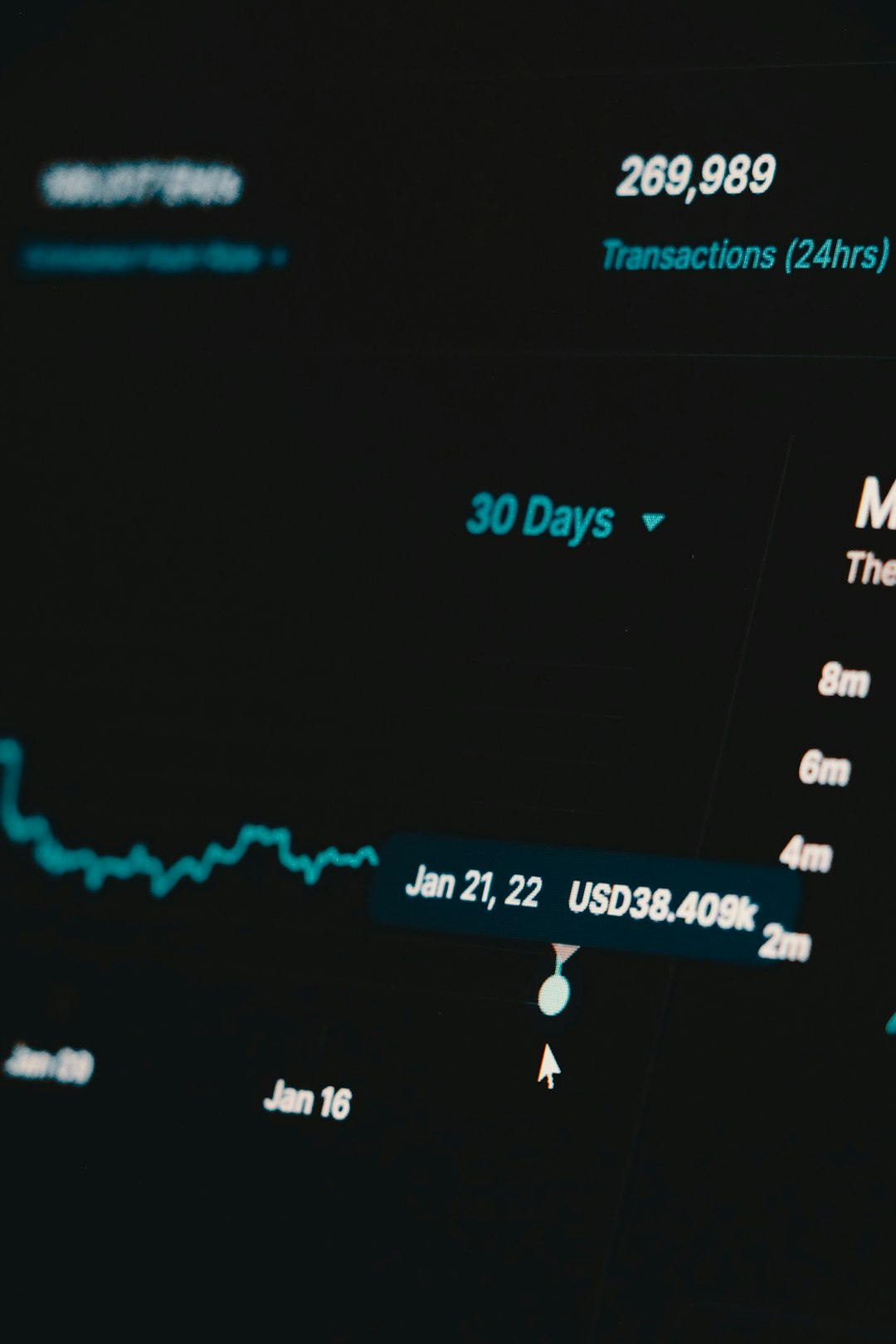
A remittance page may give you a timeline of payment activity. You can check if payment was sent. You can see if it was received. You can confirm if it was completed.
This is helpful when someone asks, “Did we pay that?” Instead of guessing, you can check.
Invoice Details in One Place
You may not need to dig through old messages. The page can show invoice numbers and amounts together. This is easier than playing hide and seek with PDFs.
Better Record Keeping
Finance teams love records. Not because records are exciting. They are not roller coasters. But records are important.
Good records help with audits. They help with month-end close. They help with customer questions. They also help when something does not match.
Reduced Confusion
Payments can get messy. One payment may cover ten invoices. Another may include a credit. Another may have a small fee. Remittance details make the mess easier to understand.
It is like putting labels on storage boxes. Suddenly, the garage is less scary.
How To Use the Page Without Getting Lost
First, breathe. It is just money data. It may look serious. But you can handle it.
- Log in using your Viewpost account details.
- Open the remittance link from your email or browser.
- Find the payment you want to review.
- Check the amount and payment date.
- Review invoice numbers listed on the page.
- Compare the details with your accounting system.
- Download or print the information if needed.
- Save the record in the correct customer or vendor file.
If something does not match, make a note. Include the payment reference number. Include the invoice number. Include the amount in question. This will make support faster.
Common Access Problems
Sometimes the page does not open. That is annoying. But do not throw your keyboard into the sun. Try these fixes first.
Problem: The Page Will Not Load
This can happen for many reasons. Your internet may be slow. Your browser may be grumpy. The site may be temporarily unavailable.
Try this:
- Refresh the page.
- Check your internet connection.
- Open the page in another browser.
- Clear your browser cache.
- Disable browser extensions for a moment.
- Try private or incognito mode.
- Wait a few minutes and try again.
Problem: You Cannot Log In
Login problems are common. Passwords are tiny gremlins. They hide. They change. They refuse to cooperate.
Try this:
- Make sure your email address is correct.
- Check for typing mistakes.
- Use the password reset option.
- Check your spam folder for reset emails.
- Ask your company admin if your account is active.
- Make sure you are using the right Viewpost account.
Problem: You See an Error Message
Error messages can look scary. But they are clues. Copy the exact words. Take a screenshot if your company allows it. Note the time it happened.
Then try basic browser fixes. If the error stays, contact support or your company’s Viewpost administrator.
Problem: You Do Not Have Permission
You may see a message saying you cannot access the page. This may mean your account does not have the right role. It may also mean the payment belongs to another company profile.
Ask your admin to check your permissions. If you work with multiple companies, confirm you are signed into the correct one.
Payment Details Look Wrong
Sometimes you can access the page, but the information looks off. Maybe the amount is different. Maybe an invoice is missing. Maybe a status is confusing.
Here is what to check:
- Compare invoice numbers with your accounting system.
- Check for credits that reduced the payment.
- Look for discounts or early payment terms.
- Check fees that may affect the final amount.
- Review payment status to see if it is still pending.
- Confirm the payer and payee names.
If the details still look wrong, contact the other party. The payer may have sent a partial payment. The payee may have applied it differently. A simple conversation can fix many mysteries.
Browser Tips for a Smoother Ride
Modern payment sites work best with modern browsers. Use a current version of Chrome, Edge, Firefox, or Safari. Old browsers can cause strange issues.
Also, keep cookies enabled. Many secure sites need cookies to keep you logged in. If cookies are blocked, the site may keep sending you back to login. That is not fun. That is login ping-pong.
If your company uses a firewall or VPN, that can also affect access. Try from a different network if allowed. Or ask your IT team to check if the site is blocked.
Security Tips You Should Know
Payment pages deal with sensitive information. So be careful. A little caution can save a big headache.
- Do not share your password.
- Use a strong password.
- Turn on multi-factor authentication if available.
- Do not click suspicious payment links.
- Check the web address before logging in.
- Log out on shared computers.
- Report strange emails to your IT team.
Also, avoid downloading payment files on public computers. Coffee shop computers are not your finance department. They are chaos with a keyboard.
When To Contact Support
You should contact support when basic fixes do not work. You should also contact support if payment data looks wrong and cannot be explained.
Before reaching out, gather helpful details:
- Your account email.
- The company name.
- The payment reference number.
- The invoice number.
- The date and amount.
- A screenshot of the issue, if safe to share.
- The error message, if there is one.
This helps support move faster. It also helps avoid the classic reply: “Can you send more details?” Nobody wants that email three times.
Best Practices for Businesses
If your company uses App.Viewpost.com/Remittance often, create a simple process. Make it easy for everyone.
- Check remittance details daily if you receive many payments.
- Match payments quickly so invoices do not stay open.
- Save records in a clear folder system.
- Train backup users so one person is not the only expert.
- Review permissions when employees change roles.
- Keep contact info updated for payment notices.
A good payment process is like a good kitchen. Everything has a place. Everyone knows where the spoons are. No one has to panic when soup happens.
Final Thoughts
App.Viewpost.com/Remittance can be a helpful doorway into payment details. It can show what was paid, when it was paid, and which invoices were included. That can make accounting much easier.
If access fails, start simple. Check your login. Try another browser. Clear your cache. Confirm permissions. If the mystery continues, gather details and ask for help.
Remittance may sound like a big finance word. But at its heart, it is simple. It is the story behind a payment. And when you know the story, your books stay cleaner, your team stays calmer, and your keyboard gets to live another day.
