

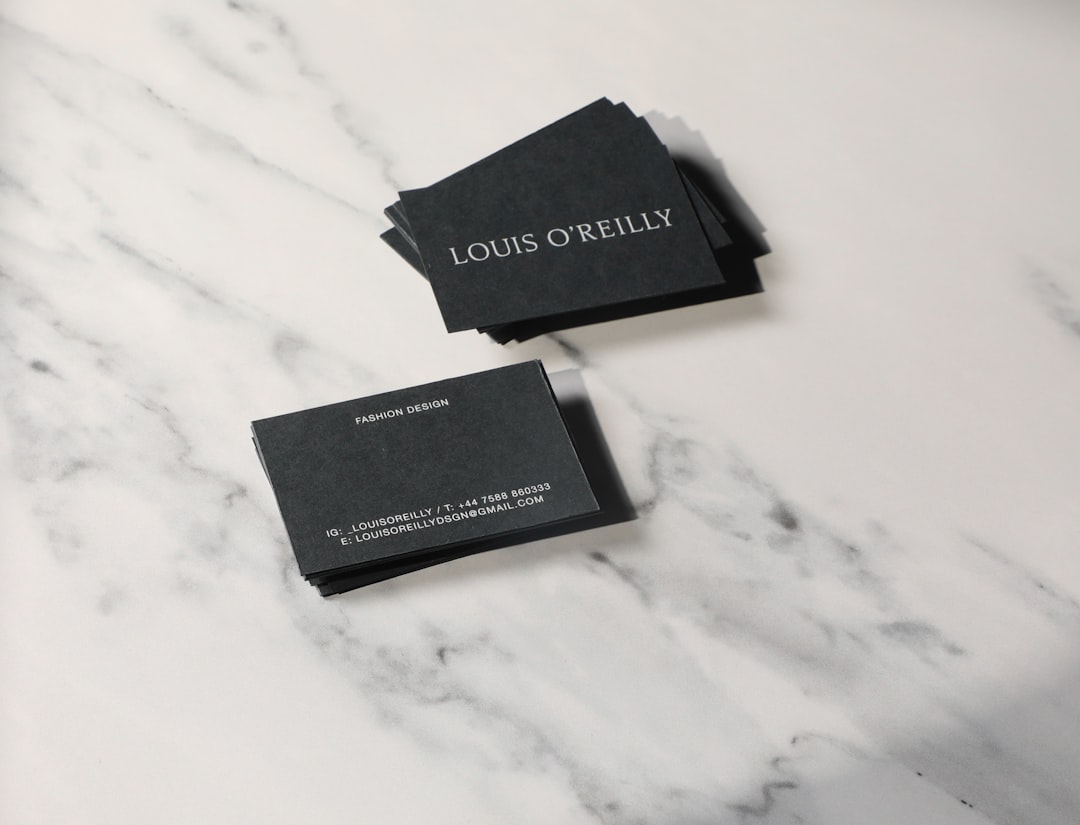
In the competitive world of architecture and design, where visual appeal and attention to detail are paramount, something as small as a business card can make a significant impression. These modest pieces of paper remain a tangible extension of your creative identity — they introduce your brand, convey your style, and hint at your expertise long before you’ve laid the foundation of a project. Selecting the right business card maker is, therefore, not a trivial task, but a strategic one.
TL;DR
Table of Contents
Business cards are still vital tools for architects and designers to showcase their brand and artistic identity. A professional and well-crafted business card communicates professionalism, creativity, and attention to detail. Choosing the right card maker ensures your credentials and aesthetic are expertly represented. Look for providers who offer customization, quality material, and services tailored specifically to creative professionals.
The Importance of Business Cards in the Design Industry
For architects and designers, first impressions carry weight. Whether at networking events, client meetings, or design expos, a business card often serves as the initial handshake. In many cases, it’s the only item a potential client takes home. That’s why:
- Design quality reflects directly on your personal brand.
- Materials and finishing demonstrate your skill in selecting textures and forms.
- Layout and typography show your understanding of spatial composition and visual hierarchy.
A tool that can help achieve all this is a well-chosen business card maker, preferably one tailored to the needs and language of architects and designers.
What to Look for in a Business Card Maker for Creatives
The market is flooded with generic business card makers. However, only a few truly serve the high standards expected by design professionals. When evaluating a service, keep the following critical factors in mind:
1. Customization Capabilities
Creative professionals demand unique, personalized outcomes. A great business card maker should offer:
- Multiple layout options that allow fine-tuning of spacing, alignment, and imagery.
- Fonts and color matching that reflect your existing brand assets.
- Format choices including vertical, square, mini-cards, or folded formats.
2. Material Quality
You build structures with tangible, resilient materials — your calling card should be the same. Choose providers that offer:
- Premium paper stocks such as textured cotton, recycled cardboard, or heavy matte finishes.
- Special printing techniques like letterpress, foil stamping, or embossed designs.
- Durability without compromising elegance.
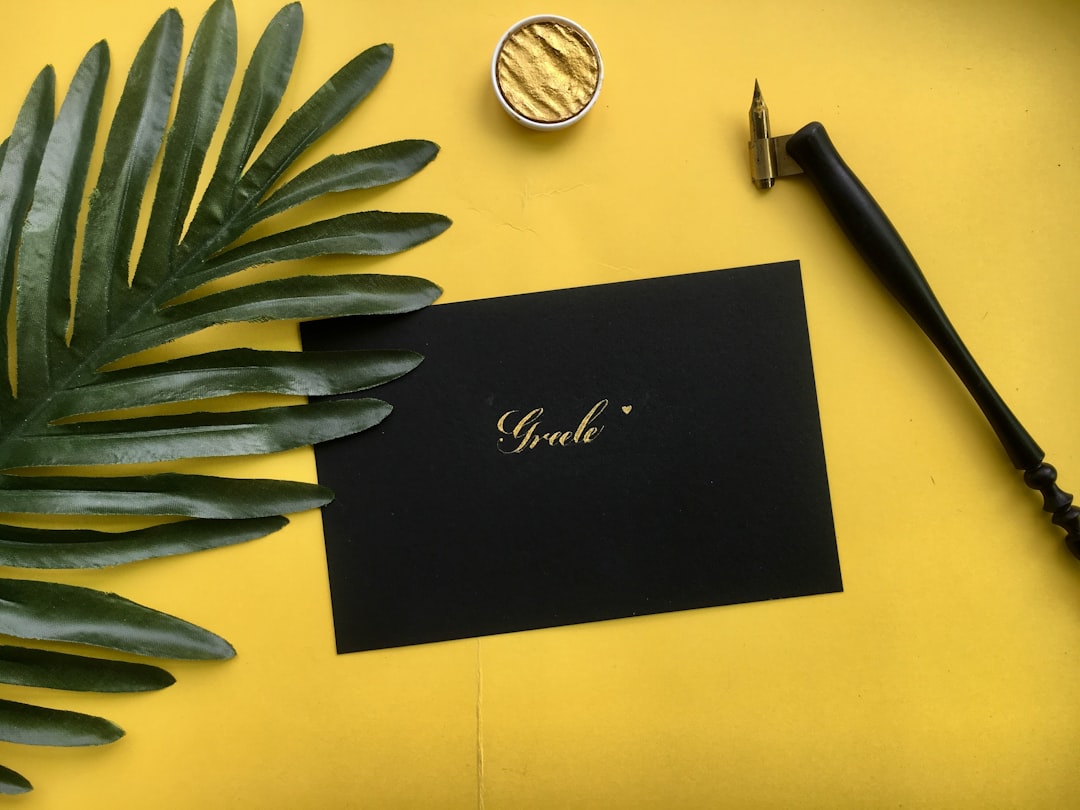
3. Design Resources and Templates
Not every designer has the time to develop a card from scratch. A capable business card maker will offer:
- Professionally designed templates tailored for creatives and design professionals.
- Drag-and-drop interfaces that don’t compromise on quality.
- Real-time preview functionality to ensure every detail is just right.
4. Alignment With Visual Identity
Consistency across branding elements builds familiarity and trust. A good card maker lets you:
- Upload your own logos and color palettes easily.
- Use grid systems consistent with professional design principles.
- Incorporate your firm’s aesthetic voice into each line and edge.
Top Choices for Architects and Designers
While there are many business card makers most suited for corporate or casual use, here are some standouts that cater especially well to architects and design professionals:
1. Moo
Moo is renowned for its design-forward approach and high-end finishes. Their customizable options include:
- Printfinity: different images on every card if desired.
- Premium paper choices like Luxe and Cotton.
- Precision color reproduction, which is vital for architects sharing mood boards or concepts.
2. Jukebox Print
Favored by graphic designers and architects alike, Jukebox provides:
- Wide range of exotic materials including wood veneer, cork, and recycled content.
- Eco-friendly printing practices, aligning with sustainability principles.
- Innovative finishing options such as 3D embossing and spot UV.
3. Vistaprint (Pro Series)
While often seen as mainstream, Vistaprint has evolved to serve professionals through its Pro line:
- Advanced design review and proofing for high-end clients.
- Quick turnaround for time-sensitive projects.
- A vast template library tailored by vocation, including architecture and design themes.
4. Studio on Fire
If you’re looking for conversation pieces, this boutique company delivers masterpieces:
- Handcrafted business cards with letterpress or hot foil stamping.
- Custom dielines and full creative consultation.
- Bespoke design aligned with high-concept portfolios.
Tips for Making the Most of Your Business Card
A business card must do more than share contact information — it should tell your story, subtly and effectively. Here are several best practices:
- Stick to architectural color palettes: Earth tones, blacks and whites, or metallic accents evoke structure and elegance.
- Use negative space smartly: Architects understand space. Let your card breathe rather than overwhelm with text.
- Always include core identifiers: Name, firm, specialty (e.g., landscape architect), phone, portfolio URL, and email.
- Invest in embellishments like embossing or edge painting to create memorability without sacrificing professionalism.
Real-World Case Studies
Case Study 1: Modernist Architect in NYC
Marcus Lee, a renowned residential architect in Manhattan, uses a minimalist vertical card with letterpress black ink on cotton paper from Moo. The tactile experience echoes his firm’s belief in “touchable design.” His clients often comment the card design complements his model work and structure ethos.
Case Study 2: Interior Designer in San Francisco
Luisa Park opted for a rounded-edge, square business card via Jukebox Print. Its soft texture and watercolor finish align with her signature soft-palette spaces. The matching envelopes for physical portfolios reinforce a unified brand identity.
Conclusion
For architects and designers, a business card is more than a stationery item — it’s an extension of the creative method. It reflects aesthetic philosophy, design acumen, and attention to detail. Selecting a business card maker that respects and enhances this creative vision is not just beneficial. It is necessary.
Whether you’re starting out or redefining your brand, invest the thought and care in your business card as you would in a blueprint. The results — memorability, professionalism, and client trust — speak for themselves.
