

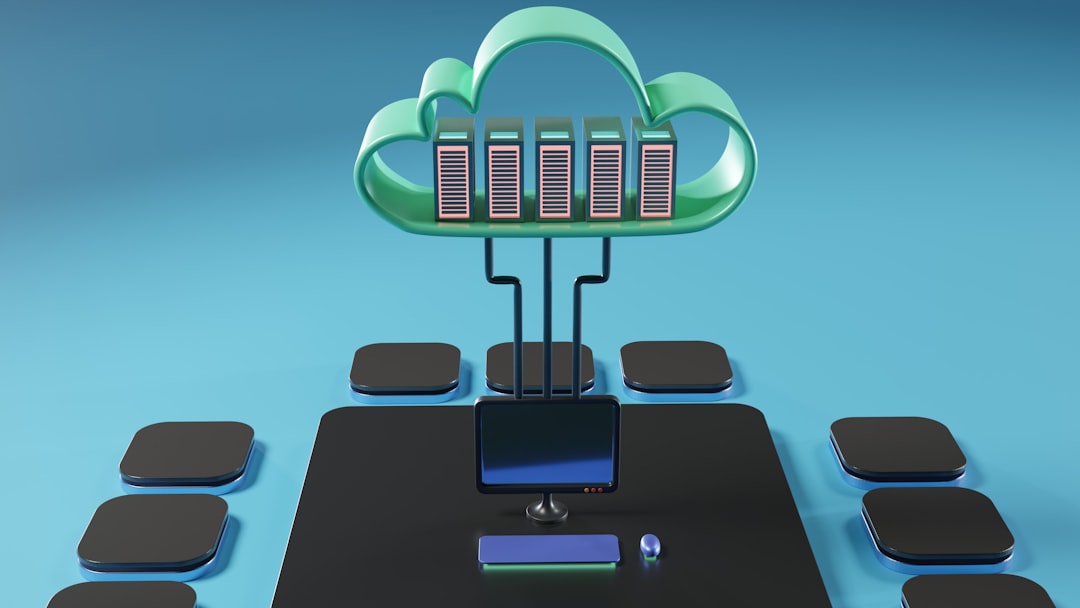
High-volume streaming has reshaped how media companies, broadcasters, and digital platforms deliver content to millions of viewers worldwide. From live sports and esports tournaments to on-demand libraries with thousands of titles, the backbone of smooth playback is a powerful and efficient video transcoding pipeline. Choosing the right transcoding software can dramatically improve scalability, reduce buffering, and optimize costs across your workflow.
TLDR: High-volume streaming requires powerful, scalable video transcoding tools that can process massive workloads with speed and reliability. Leading solutions include FFmpeg, AWS Elemental MediaConvert, Bitmovin, Telestream Vantage, Wowza Streaming Engine, and Harmonic VOS360. Each tool offers a unique balance of flexibility, automation, cloud integration, and cost efficiency. Selecting the right one depends on your infrastructure, scale, and workflow needs.
In this guide, we’ll explore six of the most effective video transcoding pipeline software tools for high-volume streaming workflows—and how they compare in real-world scenarios.
Why Transcoding Pipelines Matter for High-Volume Streaming
Table of Contents
Transcoding converts raw video files into multiple resolutions, bitrates, and formats suitable for adaptive bitrate streaming (ABR). In high-volume environments, this process needs to be:
- Scalable to handle spikes in demand
- Automated to minimize manual intervention
- Reliable with minimal downtime
- Optimized for cost and performance
Whether you’re delivering 24/7 live streams or processing thousands of VOD assets daily, your pipeline must integrate encoding, packaging, DRM, and CDN distribution into one efficient workflow.
1. FFmpeg
Best for: Maximum flexibility and custom workflows
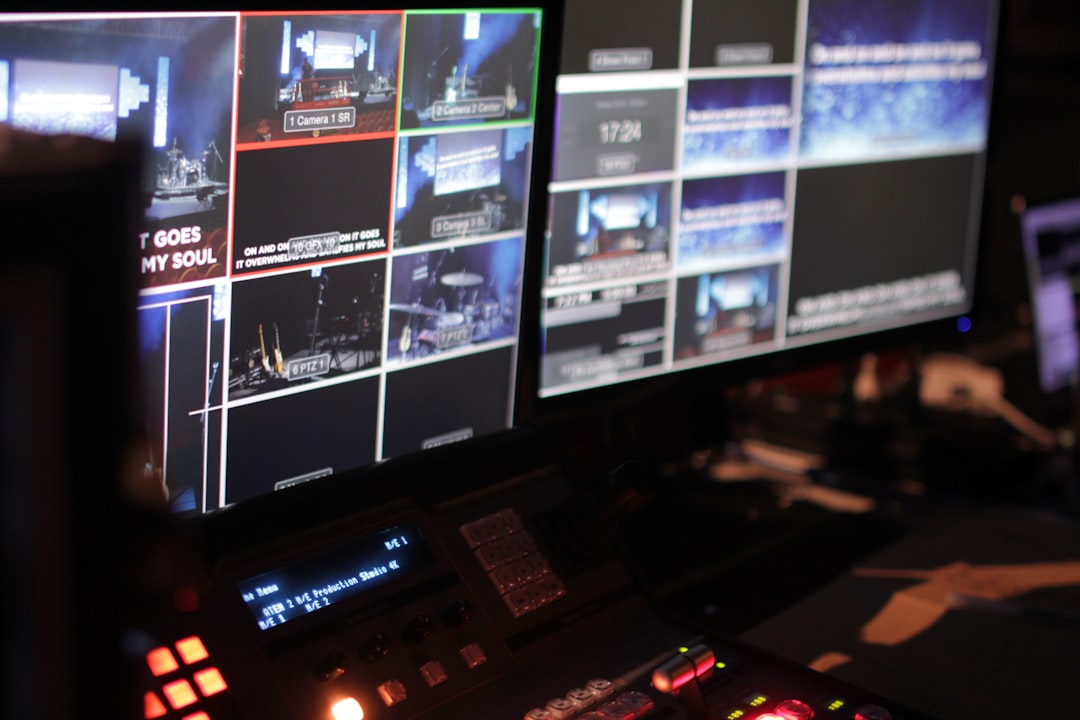
FFmpeg is the open-source powerhouse of video processing. While not a complete pipeline solution by default, it serves as the foundation for many transcoding systems worldwide.
Strengths:
- Highly customizable command-line interface
- Supports virtually every codec and container
- Strong community support
- Easily integrated into automated scripts and CI/CD pipelines
For high-volume streaming, FFmpeg is often wrapped with orchestration tools, Kubernetes deployments, or cloud auto-scaling groups. It gives engineering teams total control but requires deep technical expertise.
Ideal use case: Engineering-driven teams that need granular control over encoding parameters and cost-efficient open-source deployments.
2. AWS Elemental MediaConvert
Best for: Cloud-native, scalable transcoding
AWS Elemental MediaConvert is purpose-built for file-based video processing at scale. Seamlessly integrated with other AWS services, it offers automation, elasticity, and broadcast-grade output.
Key features:
- Pay-as-you-go pricing
- Automatic scaling
- Advanced codec support including HEVC and AV1
- Integrated DRM and packaging options
In high-volume workflows, MediaConvert works well with AWS MediaLive, MediaPackage, and CloudFront, offering a tightly coupled end-to-end streaming pipeline.
Ideal use case: Organizations already operating in AWS that need robust scalability without maintaining physical infrastructure.
3. Bitmovin Encoding
Best for: API-driven, developer-friendly workflows
Bitmovin provides a highly optimized cloud-based encoding platform with powerful APIs. It focuses on speed and high efficiency, particularly for adaptive bitrate streaming.
Advantages include:
- Fast parallel encoding
- Per-title encoding optimization
- AV1 and next-gen codec support
- Strong analytics integration
Its modular architecture makes it suitable for complex streaming infrastructures that depend heavily on automation and performance monitoring.
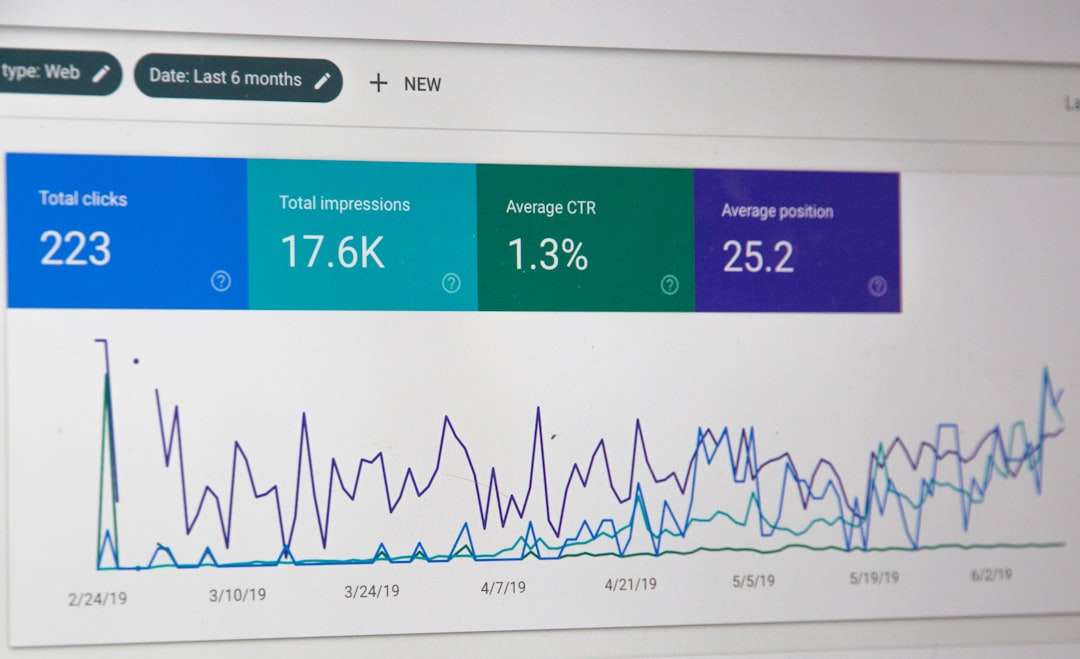
Ideal use case: Streaming platforms prioritizing encoding efficiency and automated optimization at scale.
4. Telestream Vantage
Best for: Hybrid and enterprise broadcast environments
Telestream Vantage provides end-to-end workflow automation beyond just transcoding. It integrates content ingest, quality control, and delivery in a unified pipeline.
Notable strengths:
- Graphical workflow designer
- Enterprise-grade automation
- On-prem and hybrid deployment options
- Strong quality control integrations
Vantage is especially powerful in broadcast and post-production environments where multi-step processing and compliance checks are critical.
Ideal use case: Large broadcasters and enterprise media operations transitioning between legacy systems and modern streaming workflows.
5. Wowza Streaming Engine
Best for: Live streaming pipelines
Wowza is widely recognized for live streaming infrastructure. While it also supports transcoding, its primary strength lies in low-latency live video workflows.
Key capabilities:
- Real-time transcoding
- Low-latency protocol support
- Flexible deployment (on-prem or cloud)
- Wide device compatibility
For high-volume events like concerts or sports tournaments, Wowza handles simultaneous streams while maintaining adaptive bitrate outputs for various devices.
Ideal use case: Event-driven live streaming operations requiring stable real-time transcoding.
6. Harmonic VOS360
Best for: Carrier-grade OTT delivery
Harmonic’s VOS360 is a SaaS-based media processing and delivery platform built for broadcasters and telecom providers.
Standout features:
- Cloud-native architecture
- Advanced compression efficiency
- Integrated playout and ad insertion
- High-density processing at scale
VOS360 supports massive OTT deployments, combining transcoding, packaging, and delivery orchestration within a single ecosystem.
Ideal use case: Telecom and OTT providers managing millions of concurrent users.
Image not found in postmetaComparison Chart
| Tool | Deployment | Best For | Scalability | Ease of Use |
|---|---|---|---|---|
| FFmpeg | On-prem / Cloud | Custom workflows | High (manual scaling) | Advanced users |
| AWS MediaConvert | Cloud (AWS) | Cloud-native pipelines | Auto-scaling | User-friendly |
| Bitmovin | Cloud / Hybrid | API-driven streaming | High | Developer-focused |
| Telestream Vantage | On-prem / Hybrid | Enterprise broadcast | High | Moderate |
| Wowza | Cloud / On-prem | Live streaming | High | Moderate |
| Harmonic VOS360 | Cloud SaaS | Carrier-grade OTT | Very High | Enterprise-level |
How to Choose the Right Tool
When selecting a transcoding pipeline solution, consider the following factors:
- Volume: How many hours of video are processed daily?
- Live vs VOD: Do you focus more on real-time or file-based workflows?
- Infrastructure: Are you fully cloud-based, hybrid, or on-prem?
- Codec strategy: Are you adopting AV1 or sticking with H.264 and HEVC?
- Automation level: How much manual oversight can your team support?
No single tool fits every high-volume deployment. Some organizations even combine multiple solutions—for example, using FFmpeg internally while leveraging cloud encoding for spikes in demand.
The Future of High-Volume Transcoding
As streaming consumption continues to grow, efficiency and scalability will remain central challenges. Emerging technologies such as AI-driven per-scene encoding, GPU acceleration, and next-generation codecs like AV1 and beyond are reshaping transcoding pipelines.
Future-ready workflows will emphasize:
- Automation-first design
- Cloud elasticity
- Cost optimization through intelligent encoding
- Seamless cross-platform delivery
Investing in the right transcoding pipeline software today ensures your streaming platform can meet tomorrow’s viewing demands without sacrificing quality or performance.
Whether you’re a growing OTT startup, a global broadcaster, or a telecom giant delivering premium live experiences, the tools listed above represent some of the most powerful solutions available for building reliable, high-volume video streaming workflows.
