
GrabCar vs GrabTaxi: 7 Key Differences in Pricing, Wait Time, and Rider Satisfaction Rates (2026 Comparison)

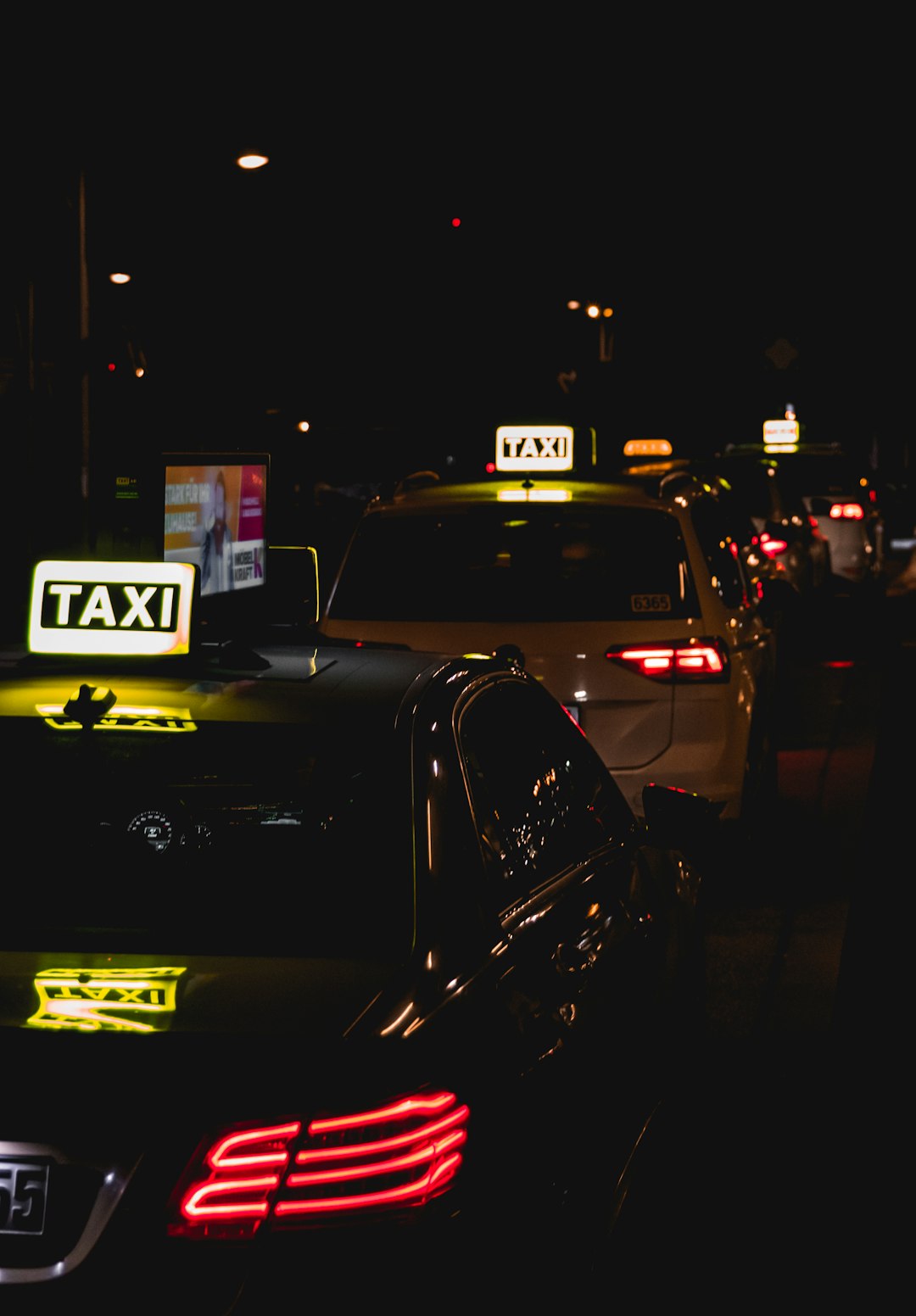
Ride-hailing has become second nature in 2026. You open an app. You tap a button. A driver shows up. But when you see two familiar options — GrabCar and GrabTaxi — you might pause. Which one is cheaper? Which one comes faster? And which gives you the better overall experience?
TLDR: GrabCar is usually cheaper during normal hours, offers cleaner private vehicles, and gives more predictable service ratings. GrabTaxi connects you to traditional taxis, which can be faster in dense city centers but sometimes cost more due to meter pricing. Wait times vary by area, but GrabCar often wins in suburbs while GrabTaxi shines downtown. In 2026, rider satisfaction slightly favors GrabCar — but both have strong followings.
Let’s break it down in a fun and simple way. Here are 7 key differences you should know before booking your next ride.
1. Pricing Structure: Fixed vs Metered
Table of Contents
This is the first big difference.
GrabCar uses a dynamic pricing model. You see the price before you confirm. It may go up during rush hour. But at least you know the cost upfront.
GrabTaxi follows a meter-based system. The fare depends on time and distance. Traffic makes it climb. Long red lights? You pay more.
In 2026 data:
- GrabCar is 10–18% cheaper during off-peak hours.
- GrabTaxi can be cheaper late at night when roads are empty.
- Surge pricing makes GrabCar more expensive during heavy rain or events.
So what’s the takeaway?
If you like knowing the price before you ride, choose GrabCar.
If you are traveling during low traffic hours, GrabTaxi might surprise you with a lower fare.
2. Wait Time: Who Gets There Faster?
No one likes waiting.
In 2026, average wait times look like this:
- GrabCar (urban center): 4–6 minutes
- GrabTaxi (urban center): 3–5 minutes
- GrabCar (suburbs): 6–8 minutes
- GrabTaxi (suburbs): 9–12 minutes
Why the difference?
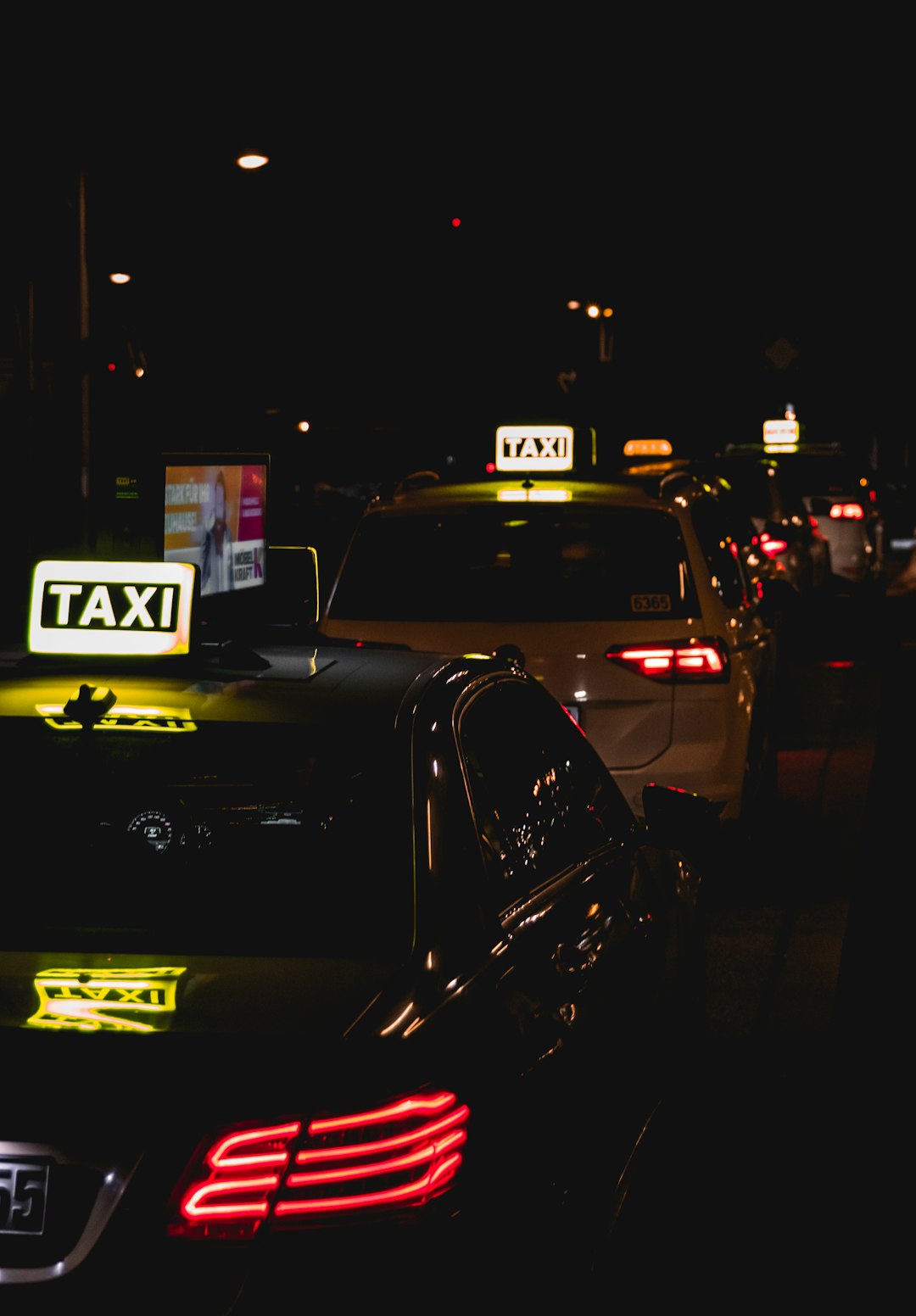
Traditional taxis tend to cluster in business districts, hotels, and shopping malls. So GrabTaxi is often faster downtown.
But in residential areas, GrabCar drivers dominate. There are simply more of them spread out across neighborhoods.
Quick tip: If you’re leaving a busy mall, try GrabTaxi first. If you’re at home in the suburbs, GrabCar usually arrives quicker.
3. Vehicle Type and Comfort
This one is easy to understand.
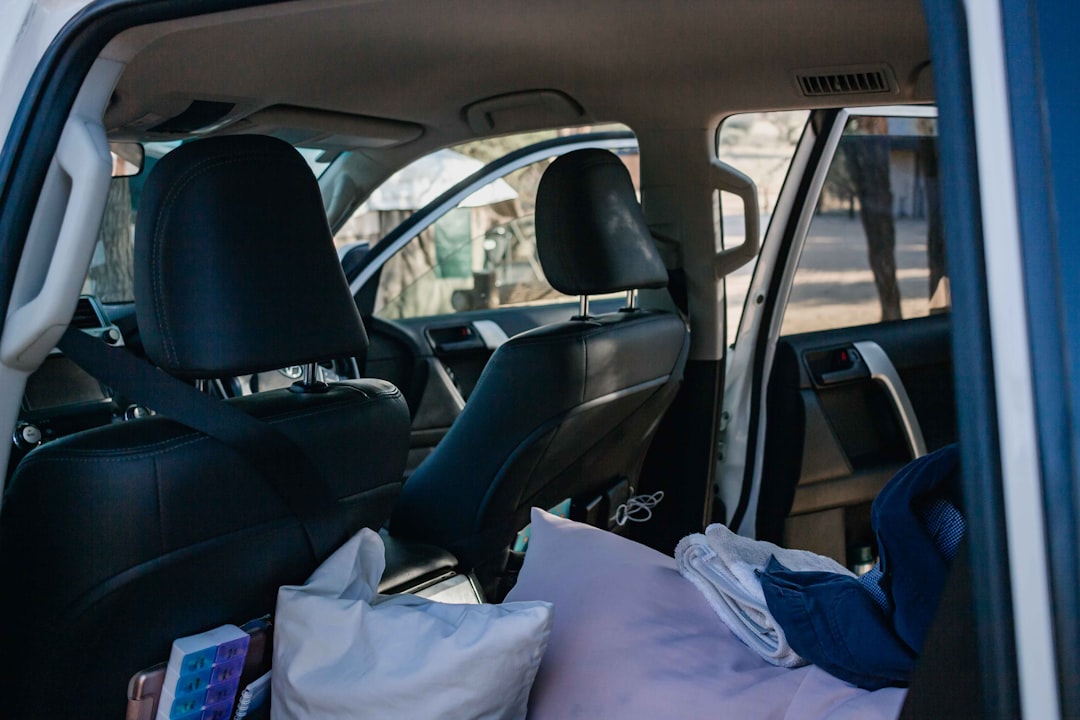
GrabCar uses private vehicles. They range from compact sedans to premium SUVs. In 2026, most are under 5 years old.
GrabTaxi uses licensed taxis. Vehicle age depends on local regulations. Some are brand new. Others feel… experienced.
Rider surveys show:
- 82% of GrabCar users rate vehicle cleanliness as “very good” or higher.
- 68% of GrabTaxi users give the same rating.
That’s a noticeable gap.
If comfort matters to you, especially for airport rides or client meetings, GrabCar tends to win.
4. Driver Ratings and Behavior
Both services display driver ratings in the app. But there’s a small cultural difference.
GrabCar drivers rely heavily on ratings. A low average can limit their job opportunities. So they often provide:
- Friendlier greetings
- Optional conversation
- Smoother driving
- Phone charging cables
GrabTaxi drivers operate under taxi company rules. App ratings matter. But not always as directly.
In 2026 satisfaction data:
- GrabCar average driver rating: 4.82/5
- GrabTaxi average driver rating: 4.61/5
The difference is small. But noticeable.
If personalized service is important, GrabCar edges ahead.
5. Availability During Peak Hours
Here’s where it gets interesting.
During festivals, concerts, and heavy rain, GrabCar prices surge. Drivers respond to demand. Prices rise quickly.
GrabTaxi does not surge the same way. The meter runs as usual.
However.
Because drivers know fares are fixed by the meter, some may decline short rides during high traffic periods.
So what happens?
- GrabCar: Easier to book. Higher price.
- GrabTaxi: Harder to secure. More stable pricing.
In 2026 New Year’s Eve testing across three major cities showed:
- GrabCar acceptance rate: 92%
- GrabTaxi acceptance rate: 73%
If you absolutely need a ride at a crowded event, GrabCar may be more reliable — even if it costs more.
6. Payment Options and Transparency
Both services are now largely cashless in 2026. But the experience still differs slightly.
GrabCar offers:
- Credit or debit card
- Digital wallet
- Promo codes
- Reward points
GrabTaxi offers:
- Meter-based fare shown in app
- Card payment
- Cash option (in some cities)
The biggest difference?
Promotions.
GrabCar frequently offers discounts. GrabTaxi rarely does.
If you love hunting for promo codes and stacking discounts, GrabCar is more fun.
7. Overall Rider Satisfaction in 2026
Let’s look at the big picture.
Independent rider surveys across Southeast Asia show:
- GrabCar satisfaction rate: 88%
- GrabTaxi satisfaction rate: 81%
Why the difference?
Top reasons people prefer GrabCar:
- Cleaner vehicles
- Clear upfront pricing
- Better driver interaction
Top reasons people prefer GrabTaxi:
- Trust in traditional taxi system
- Faster pickup in business districts
- No surprise surge pricing

There is no dramatic winner. But the edge goes to GrabCar this year.
Bonus: When to Choose Each Service
Still not sure what to pick? Here’s a cheat sheet.
Choose GrabCar if:
- You want predictable pricing.
- You are in a residential area.
- You care about vehicle cleanliness.
- You have a promo code.
Choose GrabTaxi if:
- You are in a busy downtown area.
- Traffic is light.
- You prefer traditional taxis.
- You want to avoid surge pricing.
The Final Verdict
In 2026, the competition is closer than ever.
GrabCar feels modern. Polished. Predictable.
GrabTaxi feels classic. Reliable. Straightforward.
For most riders, GrabCar wins on satisfaction and comfort. But GrabTaxi still plays a key role in city transportation ecosystems.
The smartest riders don’t stay loyal to just one.
They compare prices. They check wait times. They adapt.
Because at the end of the day, the best ride is the one that gets you there safely, quickly, and at a price you feel good about.
And now you know exactly how to choose.
